


The Dangers of Overtraining Syndrome in Athletes
- August 7, 2026
- 0
Pushing your body too hard can backfire. Athletes strive for peak performance. They often ignore the warning signs. This can lead to a serious condition. It’s called overtraining


Pushing your body too hard can backfire. Athletes strive for peak performance. They often ignore the warning signs. This can lead to a serious condition. It’s called overtraining

Pushing your body too hard can backfire. Athletes strive for peak performance. They often ignore the warning signs. This can lead to a serious condition. It’s called overtraining syndrome.
Overtraining syndrome (OTS) is not just feeling tired. It’s a complex physiological and psychological state. Your body cannot recover from training stress. This happens when training load exceeds your recovery capacity. Repetitive stress injuries are common. Immune system function also declines.
Our bodies adapt to stress. This is how we get stronger. But adaptation requires rest. Without enough rest, the body breaks down. Hormonal imbalances can occur. This disrupts normal bodily functions. It affects energy production. It also impacts mood and sleep.
Feeling tired after a tough workout is normal. OTS is different. It’s a persistent feeling of exhaustion. It doesn’t go away with rest. Your performance suffers. You might feel constantly unwell. Your motivation plummets.
Recognizing OTS is crucial for athletes. Early detection prevents further harm. Several signs point to this condition. They affect both physical and mental well-being.
You might experience unexplained aches and pains. Muscle soreness becomes constant. Your strength may decrease. Your endurance levels drop. You might get sick more often. Minor injuries could become frequent.
OTS impacts your mind. You may feel irritable. Your mood can swing wildly. You might lose interest in training. This is known as burnout. You could experience anxiety or depression.
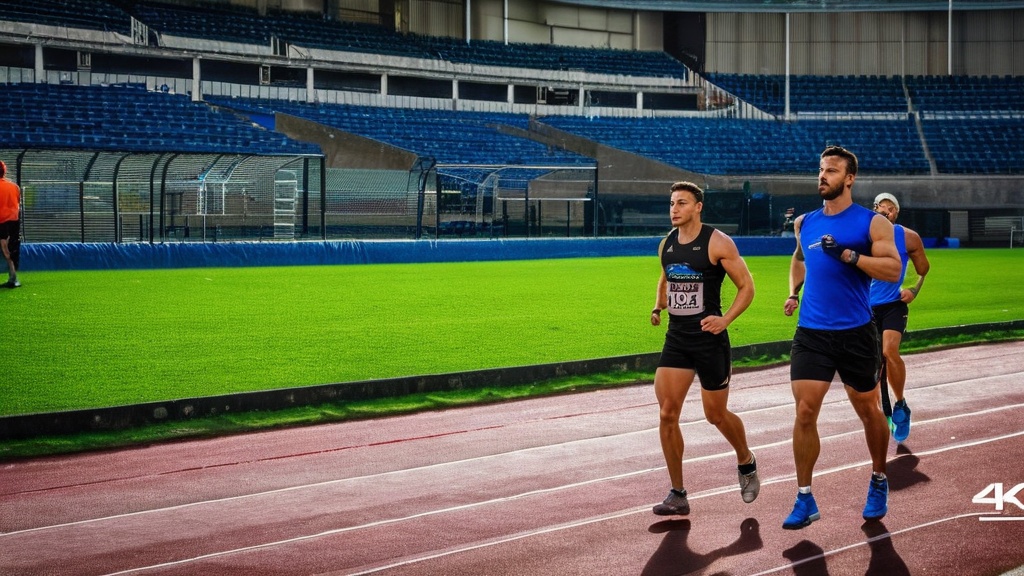
Several factors contribute to OTS. Athletes often push themselves hard. They might not listen to their bodies. Ignoring recovery is a key culprit.
Training too much, too soon, is a common cause. Athletes may increase their workload too rapidly. They might perform very high-intensity workouts too frequently. This gives the body little time to adapt.
Rest is as important as training. Athletes who skip rest days are at risk. Poor sleep habits also play a role. Nutrition is another critical factor.
Life outside of sport adds stress. Work, relationships, and finances can impact recovery. Athletes juggling many responsibilities are vulnerable. This mental load can hinder physical recovery.
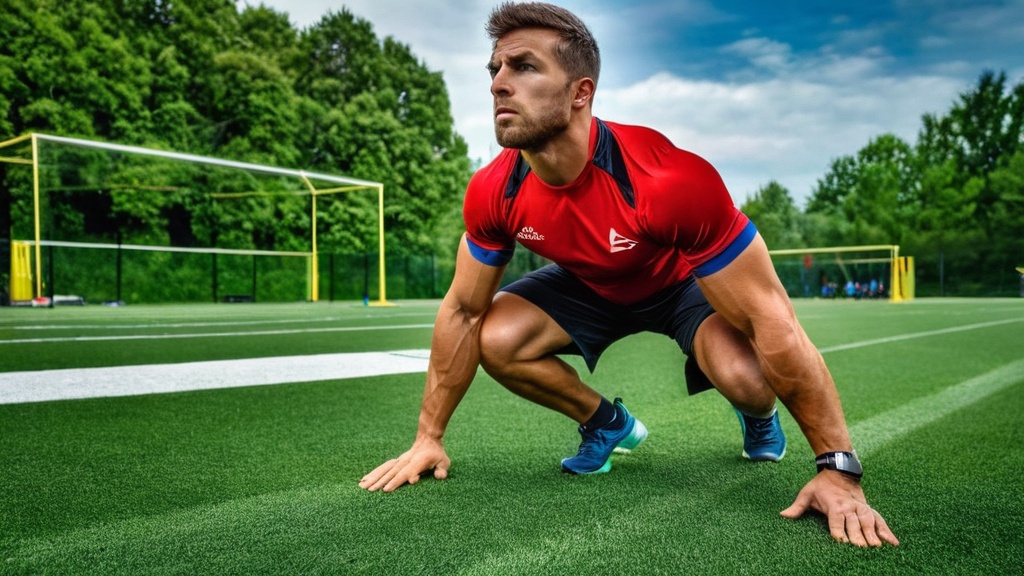
Ignoring the signs of OTS has serious repercussions. It’s not just about a bad training session. It can derail an athlete’s career.
Persistent fatigue weakens the body. It makes you prone to injuries. Bone density can decrease. Hormonal imbalances can have long-term effects. This can impact reproductive health.
The psychological toll of OTS is significant. Burnout can lead to a loss of passion. Depression and anxiety can worsen. Athletes may struggle with their self-worth.
Ultimately, OTS sabotages athletic goals. Performance drops significantly. Athletes may not reach their potential. It can take a long time to recover.
| Athlete | Symptoms | Performance Impact |
|---|---|---|
| Athlete 1 | Fatigue, insomnia, decreased appetite | Decreased strength, endurance, and coordination |
| Athlete 2 | Irritability, depression, frequent injuries | Decreased motivation and increased risk of overuse injuries |
| Athlete 3 | Decreased heart rate variability, elevated resting heart rate | Impaired cardiovascular function and decreased exercise capacity |
Prevention is key to avoiding OTS. Athletes must prioritize recovery. Listening to their bodies is paramount.
Listen to your body’s signals. Gradual progression is essential. Vary your training intensity. Incorporate active recovery.
Sleep is your best friend. Proper nutrition fuels repair. Hydration is crucial. Active recovery helps circulation.
Don’t hesitate to ask for help. Coaches can adjust training plans. Sports psychologists can address mental well-being. Medical professionals can rule out other issues.
Rest is not a sign of weakness. It’s a smart strategy for long-term success. If you feel consistently exhausted, take a break. Your body will thank you. A few days off can prevent weeks or months of recovery.
OTS affects mind and body. A holistic approach is best. Focus on training, nutrition, sleep, and stress management. This comprehensive strategy builds resilience. It supports peak performance and overall well-being.
By understanding OTS and its signs, athletes can train smarter. They can protect their health. They can achieve their goals. Remember, recovery is part of the training process. It’s not an afterthought. Athletes who prioritize recovery often outperform those who don’t.
Sources:
Overtraining syndrome is a condition that occurs when an athlete exceeds their body’s ability to recover from intense training. It can lead to a decrease in performance, fatigue, and an increased risk of injury.
Symptoms of overtraining syndrome can include persistent fatigue, decreased performance, increased resting heart rate, irritability, insomnia, and frequent illness or infections.
Overtraining syndrome can be diagnosed through a combination of physical examination, blood tests to check hormone levels, and assessment of training and recovery habits. It is important to rule out other potential causes of the symptoms.
Treatment for overtraining syndrome involves a period of rest and reduced training intensity. Athletes may also benefit from working with a sports psychologist or coach to adjust their training regimen and improve recovery strategies.
Preventing overtraining syndrome involves proper training planning, including adequate rest and recovery periods, as well as paying attention to nutrition, hydration, and sleep. It is important for athletes to listen to their bodies and adjust their training as needed to avoid overtraining.