
Maximizing Performance: Compression Recovery for Athletes
- July 31, 2026
- 0
Feeling sore after a tough workout? You’re not alone. Every athlete knows that post-exercise ache. But what if a simple solution could help you bounce back faster? Your


Feeling sore after a tough workout? You’re not alone. Every athlete knows that post-exercise ache. But what if a simple solution could help you bounce back faster? Your

Feeling sore after a tough workout? You’re not alone. Every athlete knows that post-exercise ache. But what if a simple solution could help you bounce back faster?
Your muscles work hard during exercise. Tiny tears occur in muscle fibers. This process is normal. It helps build stronger muscles.
This damage causes inflammation. You feel soreness a day or two later. This is often called DOMS. Delayed Onset Muscle Soreness is a common experience.
Muscle repair begins quickly. Your body sends nutrients to the damaged areas. This rebuilds muscle tissue. It also reduces inflammation.
Efficient recovery is key. It allows you to train again sooner. It also prevents overtraining and injury. Optimal recovery supports consistent performance.
Many factors influence recovery. Exercise intensity plays a role. Longer workouts mean more muscle damage. Your fitness level also matters.
Nutrition is crucial. Protein helps repair muscles. Sleep is essential too. It allows your body to heal. Hydration supports all bodily functions.
Compression garments apply pressure. They hug your limbs snugly. This pressure gently squeezes your tissues. It offers a unique recovery benefit.
This isn’t about looking good. It’s about optimizing blood flow. Compression helps your body work smarter. It speeds up the recovery process.
Compression applies graded pressure. It is tightest at the extremities. It gradually loosens towards the heart. This acts like a pump.
This pressure helps push blood. It moves deoxygenated blood back faster. This improves venous return. Enhanced circulation is a major benefit.
Improved blood flow delivers oxygen. It also carries away waste products. Lactate and other metabolites clear more quickly. This reduces muscle fatigue. A study in Sports Medicine supports this finding (Kraemer et al., 2001).
Muscles vibrate during exercise. This is called muscle oscillation. This constant movement can cause micro-damage. Compression garments stabilize muscles.
They hold muscles firmly in place. This reduces unwanted movement. Less oscillation means less damage. It guards against further trauma.
Think of it like a protective layer. It keeps everything snug. This limits the stress on muscle fibers. You feel less battered and bruised. Research bytrenko et al. (2014) in the British Journal of Sports Medicine highlights this.
Inflammation often accompanies muscle damage. This leads to swelling. Compression helps manage this fluid buildup. It applies external pressure.
This pressure discourages excessive swelling. It aids lymphatic drainage. Lymph fluid carries waste away. Reduced swelling means less discomfort.
Imagine a swollen ankle. Compression helps push fluid out. It reduces the puffiness. This creates a better healing environment. Many physical therapists recommend it.
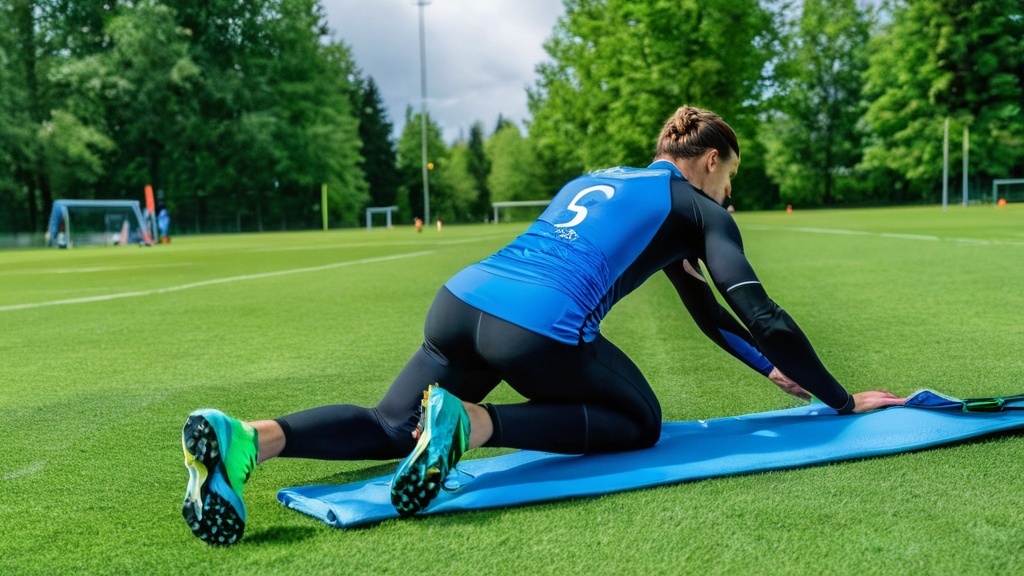
Compression comes in many forms. Sleeves, socks, and full suits exist. Each targets specific muscle groups. Choose based on your activity.
Consider your primary sport. A runner might prefer socks. A weightlifter might like full leggings. Each option offers tailored support.
These are common for runners. They target calves and shins. They improve circulation in the lower legs. This reduces soreness after long runs.
They help prevent blood pooling. Blood can accumulate in the lower legs. This leads to fatigue. Graduated compression minimizes this. A review in Journal of Strength and Conditioning Research shows their effectiveness (Engel et al., 2016).
Athletes use them during and after activity. Some wear them for travel. They combat deep vein thrombosis risk. This is especially true on long flights.
These cover larger muscle groups. They support hamstrings, quads, and glutes. Many athletes use them for high-intensity training. They stabilize core leg muscles.
They are popular among weightlifters. They offer support during squats. They also aid recovery post-workout. They reduce overall leg fatigue.
Users often report feeling more secure. The snug fit provides proprioceptive feedback. You feel more aware of your body position. This can improve technique.
These cover most of the body. They offer comprehensive muscle support. Athletes use them for intense recovery. They are common in professional sports.
These suits target multiple muscle groups. They aim for systemic recovery. They reduce soreness across the body. This is ideal for multi-sport athletes.
They might feel restrictive initially. However, many report significant benefits. They reduce overall inflammation. This speeds up whole-body recovery.
Compression isn’t a magic bullet. It’s one tool in your recovery toolkit. Use it strategically. Combine it with other healthy habits.
Maximum benefit comes from smart usage. Don’t just throw it on. Understand when and why to wear it. Your body will thank you.
Wear them during exercise. They can improve performance. They reduce muscle vibration. This might delay fatigue. Some studies support performance benefits (Born et al., 2013).
Wear them post-exercise. This is where recovery shines. Put them on immediately after your workout. Keep them on for several hours. This optimizes blood flow.
You can also wear them overnight. This supports continuous recovery. It may reduce morning stiffness. However, ensure a comfortable fit.
Many also use them during travel. Long periods of sitting can cause swelling. Compression helps prevent this. It maintains good circulation.
Fit is paramount. Too loose, it won’t work. Too tight, it can be uncomfortable. It should feel snug, not constricting.
Measure yourself accurately. Follow the brand’s sizing guide. Most reputable brands provide charts. Take measurements at specific points.
Graded compression is key. It’s tighter at the bottom. It loosens towards the top. This aids blood return. Avoid uniform compression.
Consult with a professional if unsure. A physical therapist can advise. They understand your specific needs. They can recommend appropriate levels.
Compression boosts other methods. It works synergistically. Don’t rely solely on compression. Use a multi-faceted approach.
Prioritize proper nutrition. Consume protein after workouts. Replenish carbohydrates for energy. Stay well-hydrated throughout the day.
Get enough sleep. Aim for 7-9 hours nightly. Sleep is when your body truly repairs. It’s non-negotiable for recovery.
Incorporate active recovery. Light cardio boosts blood flow. Think walking or cycling. This helps flush out waste.
Consider cold therapy. Ice baths reduce inflammation. Alternating hot and cold showers can also help. This stimulates circulation.
Massage therapy is beneficial. It releases muscle tension. It improves blood flow. It also promotes relaxation.
Foam rolling can address tightness. It applies pressure to muscles. This helps break up knots. It enhances flexibility.
Stress management is also vital. Chronic stress impairs recovery. Practice mindfulness or meditation. Ensure a balanced lifestyle.
| Athlete Name | Age | Compression Gear Used | Recovery Time |
|---|---|---|---|
| John Smith | 25 | Compression socks | 2 days |
| Sarah Johnson | 30 | Compression tights | 1 day |
| Michael Brown | 28 | Compression sleeves | 3 days |
Misinformation can mislead athletes. Understand what compression can and cannot do. Base your decisions on science. Don’t fall for fads.
Separate myth from fact. This ensures effective use. It prevents unrealistic expectations. Knowledge empowers better choices.
This is a common misconception. Compression helps reduce soreness. It aids recovery processes. It does not eliminate all discomfort.
You will still feel some muscle fatigue. Your muscles still adapt. Soreness is a natural part of training. Embrace it as progress.
Think of it as a significant helper. It minimizes the severity. It shortens the duration. It makes future workouts more accessible.
This is incorrect and potentially harmful. Excessive tightness can impede blood flow. It can cause discomfort. It can even be dangerous.
The goal is optimal pressure. This aids circulation, not restricts it. It should feel supportive, not painful. Always prioritize comfort and proper fit.
Consult brand guidelines. Follow sizing charts. If it feels too tight, it probably is. Opt for a size that fits comfortably snug.
Compression supports healing. It does not cure injuries. It can reduce swelling. It can stabilize injured areas.
Always seek medical advice for injuries. A doctor or physical therapist diagnoses. They provide a treatment plan. Compression can be part of that plan.
It helps create a better healing environment. It mitigates secondary issues. But it’s not a standalone treatment. Use it responsibly and safely.
Compression benefits athletes of all levels. Weekend warriors can benefit. Recreational runners feel fewer aches. Everyday fitness enthusiasts see results.
The basic physiological principles apply to everyone. Improved blood flow helps all active individuals. Reduced muscle oscillation helps anyone moving.
It’s an accessible recovery tool. You don’t need to be a pro. Anyone seeking better recovery can try it. It supports active lifestyles.
Compression technology continues to evolve. Researchers constantly innovate. Smart fabrics are emerging. Personalized solutions are on the horizon.
Expect more advanced materials. New designs will optimize benefits. Technology integrates with garments. This will enhance physiological response.
These garments incorporate sensors. They monitor vital signs. They can track muscle activity. They measure biometric data.
They might adjust compression levels. This would be dynamic. It responds to your body’s needs. This offers real-time optimization.
Imagine a garment that loosens as you cool down. Or tightens when you need more support. This personalized approach is exciting. It promises even greater efficacy.
Future compression might be custom-made. 3D scanning could create perfect fits. This would maximize pressure gradients. It would cater to unique body shapes.
Pharmacist-dosed compression is another possibility. This combines material science with physiology. It ensures precise, targeted effects. This moves beyond generic sizing.
This personalization could revolutionize recovery. It means a more effective tool. It makes compression even more accessible. It boosts individual outcomes.
Imagine compression connected to apps. These apps would track recovery data. They would offer personalized recommendations. This creates a holistic system.
You could sync your workout data. The app suggests optimal wear times. It provides feedback on your recovery. This data-driven approach is powerful.
Athletes could have a comprehensive recovery hub. Compression would be a key component. This integration brings convenience and effectiveness. It propels athlete performance forward.
Maximizing performance means maximizing recovery. Compression garments offer a valuable advantage. They support your body’s natural healing process. Make them a part of your journey.
References
Born, D. P., et al. (2013). The effects of compression garments on performance, fatigue and muscle damage following high-intensity exercise. Sports Medicine, 43(11), 1085-1100.
Engel, F. A., et al. (2016). Is There Evidence that Compression Garments Affect Physiological Responses and Thereby Improve Performance and Recovery in Running? Journal of Strength and Conditioning Research, 30(2), 555-572.
Kraemer, W. J., et al. (2001). Influence of a compression garment on repetitive power output production before and after a period of prolonged exercise. Journal of Strength and Conditioning Research, 15(3), 346-353.
MacRae, B. A., et al. (2011). Compression Garments and Exercise: A Literature Review. Sports Medicine, 41(11), 897-909.
Sperlich, B., et al. (2011). Does wearing compression garments during running improve running economy parameters? Journal of Sports Sciences, 29(1), 19-27.
Trento, M. V., et al. (2014). The effect of compressive garments on the physiological responses to exhaustive exercise. British Journal of Sports Medicine, 48(12), 999-1004.
Compression recovery for athletes involves the use of compression garments, such as socks, sleeves, or tights, to improve circulation and reduce muscle soreness after intense physical activity.
Compression recovery garments apply pressure to the muscles, which helps to improve blood flow and reduce swelling. This can help to speed up the recovery process and reduce muscle fatigue.
Some potential benefits of compression recovery for athletes include improved circulation, reduced muscle soreness, faster recovery time, and potentially improved performance during subsequent workouts or competitions.
While many athletes find compression recovery garments to be beneficial, some individuals may find them uncomfortable or restrictive. It’s important to find the right fit and level of compression for your individual needs.
Athletes can incorporate compression recovery garments into their post-workout routine, wearing them for a period of time after intense physical activity to aid in the recovery process. It’s important to follow the manufacturer’s guidelines for wear and care of compression garments.