


Building Athlete Resilience: The Power of Training
- July 26, 2026
- 0
Imagine a star athlete, cool under pressure. They bounce back from tough losses. They push through painful workouts. This ability isn’t magic. It’s called resilience. You can build


Imagine a star athlete, cool under pressure. They bounce back from tough losses. They push through painful workouts. This ability isn’t magic. It’s called resilience. You can build
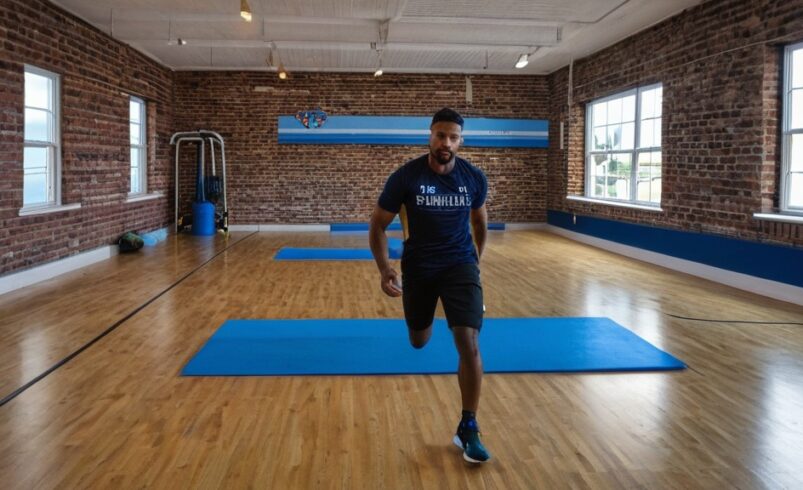
Imagine a star athlete, cool under pressure. They bounce back from tough losses. They push through painful workouts. This ability isn’t magic. It’s called resilience. You can build it too. Training is the key.
Athletes face constant challenges. Losses sting. Injuries sideline them. Doubts creep in. Resilience helps them cope. It’s like building a strong mental shield. This shield protects them from setbacks.
Resilience is bouncing back. It’s adapting to stress. It’s maintaining performance. It’s not about avoiding difficulty. It’s about recovering effectively from it. Think of a gymnast falling. They get up and finish the routine. That’s resilience in action.
Elite performance requires more than physical skill. Athletes need mental fortitude. Resilience fuels this. It allows them to learn from mistakes. It helps them stay motivated. Without it, talent can fizzle.
Research shows resilience is trainable. It’s not purely genetic. Our brains can adapt. Positive experiences build neural pathways. These pathways support coping. This gives athletes a mental edge.
Your body learns to handle stress. Intense workouts are a form of stress. Your body adapts to this. It becomes stronger. This physical adaptation has mental parallels.
Strength training builds muscle. It also builds mental toughness. You learn to tolerate discomfort. You discover your inner strength. This translates to other areas. You feel more capable overall.
Long runs test endurance. They teach you to keep going. Even when you feel drained. This mental grit is powerful. It’s a direct result of physical effort.
Injuries are a major challenge. They can crush an athlete’s spirit. A resilient athlete sees them differently. They view it as a temporary setback. They focus on the comeback.
Physical therapy rebuilds strength. It restores function. It also strengthens the mind. Athletes gain confidence with each step. They see progress as achievable. The journey builds their resolve.
Grit is perseverance. It’s passion for long-term goals. Hard training develops grit. You commit to the process. You work toward something bigger. This dedication pays off.

Smart training goes beyond physical gains. It involves intentional mental exercises. These activities complement physical practice. They build specific resilience skills.
Simulate game-day conditions. Practice with crowds. Practice when fatigued. This reduces anxiety. It makes pressure feel familiar. Athletes become more comfortable.
Run drills that mimic close games. Practice free throws when tired. Play out overtime scenarios. These prepare your mind. They reduce surprise and fear. This builds confidence.
Learn healthy ways to deal with stress. Deep breathing calms nerves. Mindfulness grounds you in the moment. These tools help manage emotions. They prevent overwhelm.
Slow, deep breaths activate the parasympathetic nervous system. This promotes relaxation. It slows your heart rate. It clears your mind. Practice this regularly.
Focus on the present moment. Observe your thoughts without judgment. This reduces rumination. It improves focus. It builds a calm awareness.
Imagine success vividly. See yourself performing well. Rehearse plays in your mind. This primes your brain. It builds confidence. Your mind becomes your ally.
Picture yourself making the winning shot. See yourself crossing the finish line. Feel the accomplishment. This positive imagery reinforces success. It boosts belief.
Break down large goals. Create achievable milestones. Celebrate small wins. This builds momentum. It prevents discouragement. Progress feels sustainable.
Goals should be Specific, Measurable, Achievable, Relevant, and Time-bound. This structured approach ensures clarity. It drives focused effort. It makes success attainable.
You don’t build resilience by constantly pushing. Recovery is just as vital. It allows your body and mind to adapt. It prevents burnout.
Sleep is when your body repairs. It consolidates memories. It regulates emotions. Poor sleep hinders resilience. Prioritize consistent, quality sleep.
Establish a regular sleep schedule. Create a dark, quiet bedroom. Avoid screens before bed. Wind down with relaxing activities. This optimizes your rest.
Light movement helps muscles recover. Gentle stretching improves flexibility. These activities aid healing. They reduce stiffness. They boost circulation.
These techniques release muscle tension. They improve blood flow. They increase range of motion. They promote faster recovery. Make them part of your routine.
Give your mind a rest. Engage in enjoyable activities. Spend time with loved ones. This reduces stress hormones. It replenishes mental energy.
Pursue interests outside of sport. Connect with supportive people. These activities provide perspective. They offer emotional support. They enhance well-being.
| Athlete | Training Program | Duration | Frequency |
|---|---|---|---|
| John Smith | Strength and Conditioning | 12 weeks | 3 times per week |
| Sarah Johnson | Mental Toughness | 8 weeks | 2 times per week |
| Michael Brown | Injury Prevention | 10 weeks | 4 times per week |
Resilience is a mindset. It’s a way of thinking. It shapes how you interpret events. Cultivating this mindset is key.
View challenges as opportunities. See them as chances to learn. Don’t shy away from difficulty. Welcome the growth they offer. This shifts your perception.
Identify negative self-talk. Replace it with positive affirmations. Challenge assumptions about failure. Focus on solutions and learning. This rewires your thinking.
Believe abilities can be developed. See effort as the path to mastery. Embrace mistakes as learning tools. This perspective fuels perseverance. It encourages continuous improvement.
When you can’t do something, add “yet.” “I can’t do this yet.” This implies future capability. It acknowledges current limitations. It promotes a learning orientation.
Analyze losses and mistakes. Identify what went wrong. Focus on actionable improvements. Don’t dwell on the negative. Extract lessons for future success.
After a game or event, reflect. What went well? What needs work? What strategies can be adjusted? This structured review promotes growth. It prevents repeating errors.
Talk to coaches, teammates, or mentors. Share your struggles. They offer guidance and encouragement. You are not alone in this journey. Support networks are crucial.
Teammates provide camaraderie. They offer mutual support. They share the highs and lows. A strong team bond enhances resilience. It fosters collective strength.
The journey of building athlete resilience is ongoing. It requires dedication. It demands consistent effort. But the rewards are immense. A resilient athlete thrives. They perform at their best. They overcome any obstacle. Start training your mind today. Unlock your full potential.
Resilience training for athletes is a program designed to help athletes develop mental toughness, emotional regulation, and the ability to bounce back from setbacks and challenges. It aims to enhance their ability to cope with stress, pressure, and adversity in their sport.
Resilience training can help athletes improve their performance, reduce the risk of injury, and enhance their overall well-being. It can also help them develop better coping strategies, increase their confidence, and improve their ability to handle the demands of their sport.
Common techniques used in resilience training for athletes include mindfulness and meditation, goal setting, visualization, positive self-talk, stress management, and cognitive restructuring. These techniques aim to help athletes develop a strong mindset and emotional resilience.
Athletes can incorporate resilience training into their regular training routine by working with a sports psychologist or mental skills coach, participating in workshops or seminars, practicing mental skills exercises, and integrating resilience-building techniques into their daily training and competition preparation.
Resilience training is beneficial for athletes of all levels, from recreational to elite. It can help athletes at any level improve their mental toughness, cope with pressure, and enhance their overall well-being, regardless of their competitive level.