

Hydration and Brain Performance: The Key to Optimal Function
- August 3, 2026
- 0
Ever feel foggy-headed or struggle to focus? The answer might be simpler than you think. Your brain, an amazing organ, thrives on one crucial element: water. Let’s explore


Ever feel foggy-headed or struggle to focus? The answer might be simpler than you think. Your brain, an amazing organ, thrives on one crucial element: water. Let’s explore
Ever feel foggy-headed or struggle to focus? The answer might be simpler than you think. Your brain, an amazing organ, thrives on one crucial element: water. Let’s explore how proper hydration unlocks your brain’s full potential.
Your brain is mostly water. About 75% of your brain tissue is H2O. This water is vital for its proper function. Even slight dehydration impacts brain activity.
Water maintains brain volume. Dehydration shrinks brain tissue slightly. This shrinkage can affect communication between brain cells. Think of it like a deflated balloon; it doesn’t work as well.
Water acts as a delivery system. It carries essential nutrients to brain cells. It also removes waste products. Without enough water, these processes slow down.
Even mild dehydration affects your thinking. Studies show a clear link. Your performance can decline significantly.
Forgetting things more often? Dehydration might be a culprit. Research suggests it impairs both short and long-term memory. A study in The Journal of Nutrition found that even mild dehydration negatively affected working memory in young women.
Imagine trying to recall a shopping list. If you’re dehydrated, those items might seem harder to remember. Your brain struggles to access information.
It’s hard to pay attention when dehydrated. Your brain works harder to do simple tasks. This leads to fatigue and distraction. A study published in Physiology & Behavior highlighted decreased attention and processing speed with fluid loss.
Picture trying to read a book, but your eyes keep darting away. You struggle to absorb the words. This is similar to what happens when your brain lacks water.
Feeling grumpy or easily annoyed? Your hydration status could play a role. Dehydration can increase feelings of anxiety and irritability. A study by the University of Connecticut showed mood deterioration with mild dehydration.
Think about a hot, busy day. You might feel more stressed and short-tempered. This feeling can be intensified by not drinking enough water.

Proper hydration optimizes brain function. It sharpens your mind. You can think more clearly.
Drinking enough water improves many cognitive functions. This includes problem-solving and decision-making. Your brain operates at its best. Research consistently shows better performance on cognitive tasks with optimal hydration.
Consider a challenging puzzle. With enough water, your brain can connect the pieces faster. Solutions come more readily.
Feeling more positive and energetic? Hydration helps regulate mood. It fights fatigue, keeping you alert. Studies indicate improved mood states and reduced fatigue with adequate fluid intake.
Imagine starting your day feeling refreshed. You have the energy to tackle tasks. This feeling is often supported by being well-hydrated.
Staying hydrated can help your body manage stress. Dehydration can amplify stress responses. Water helps maintain balance. A review in Nutrients discussed the role of hydration in psychological well-being.
When faced with a stressful situation, being well-hydrated helps your body cope. You might feel calmer and more resilient.
Staying hydrated doesn’t have to be complicated. Small changes make a big difference. Make water a part of your daily routine.
Drink a glass of water first thing. It kickstarts your system. This helps rehydrate after sleep. A quick glass of water can set a positive tone for your day.
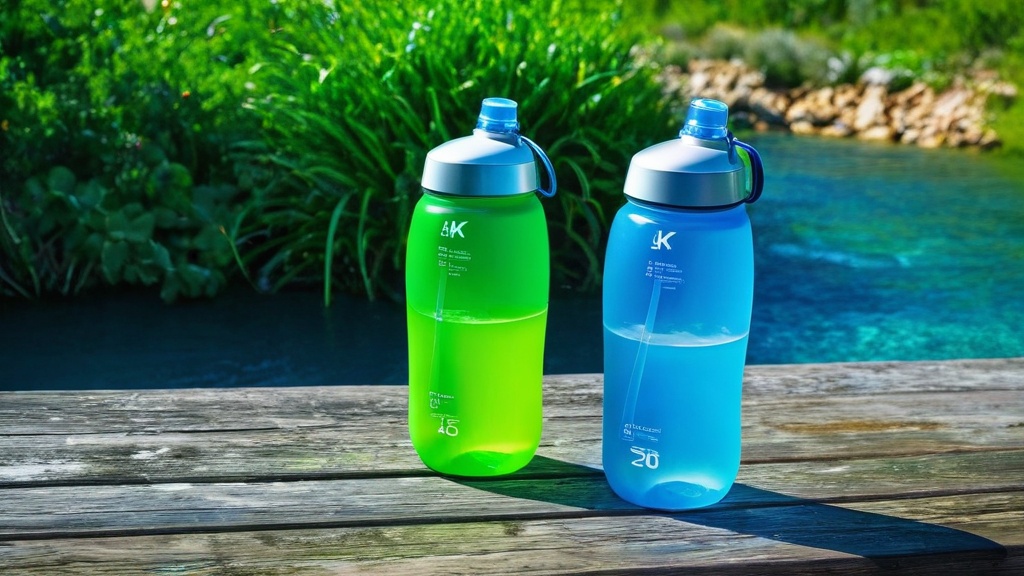
Keep water within reach. A reusable bottle serves as a constant reminder. Refill it throughout the day. This simple habit ensures you’re always prepared.
Use your phone or a smart device. Set hourly alarms to drink water. Consistency is key for hydration. Many apps can also help track your intake.
Many fruits and vegetables contain high water content. Examples include cucumbers, watermelon, and oranges. These foods contribute to your daily intake. They also provide essential vitamins and minerals.
Think of a refreshing slice of watermelon on a hot day. It quenches your thirst and provides hydration.
Don’t wait until you’re thirsty. Thirst is a sign you’re already mildly dehydrated. Take small sips regularly. This keeps your fluid levels consistent.
If plain water is boring, add flavor. Try slices of lemon, lime, or cucumber. Berries or mint leaves also work well. This makes drinking water more enjoyable.
| Hydration Level | Brain Performance |
|---|---|
| Dehydrated | Decreased cognitive function, poor concentration |
| Well-Hydrated | Improved focus, better memory retention |
| Over-Hydrated | Can lead to water intoxication and impaired brain function |
Everyone’s needs differ. Factors like activity level and climate play a role. Listen to your body’s signals.
A common recommendation is eight 8-ounce glasses daily. This is about 2 liters. However, this is a general guideline. The National Academies of Sciences, Engineering, and Medicine suggests about 15.5 cups (3.7 liters) of fluids for men and about 11.5 cups (2.7 liters) of fluids a day for women. This includes fluids from water, other beverages, and food.
If you exercise intensely, you need more water. Hot weather increases fluid loss. Illnesses like fever or diarrhea also require extra hydration. Pay attention to these situations.
Dark urine is a common sign. Headaches and fatigue also indicate dehydration. Dry mouth and infrequent urination are other clues. Act on these signals promptly.
While water is best, other beverages contribute. Herbal teas and diluted fruit juices can help. Be mindful of added sugars in some drinks. Electrolyte-rich drinks may be beneficial during intense exercise.
Remember, sugary sodas don’t count. They can actually dehydrate you further due to their sugar content. Choose wisely for optimal brain health.
By prioritizing hydration, you are giving your brain a powerful advantage. Small, consistent efforts yield significant cognitive benefits. Your focus, memory, and mood will thank you. Make water your brain’s best friend.
Proper hydration is essential for optimal brain function. Dehydration can lead to decreased cognitive performance, impaired concentration, and reduced alertness.
The general recommendation is to drink at least 8-10 cups (64-80 ounces) of water per day to maintain proper hydration. However, individual needs may vary based on factors such as age, gender, activity level, and climate.
Signs of dehydration affecting brain performance include headaches, dizziness, fatigue, difficulty concentrating, and mood changes. Severe dehydration can even lead to confusion and disorientation.
While water is the best choice for hydration, other beverages such as herbal teas, coconut water, and diluted fruit juices can also contribute to overall fluid intake. However, it’s important to limit intake of sugary and caffeinated beverages, as they can have diuretic effects.
During physical activity, proper hydration is crucial for maintaining cognitive function and coordination. Dehydration can lead to decreased endurance, impaired motor skills, and reduced overall performance. It’s important to drink water before, during, and after exercise to support optimal brain function.