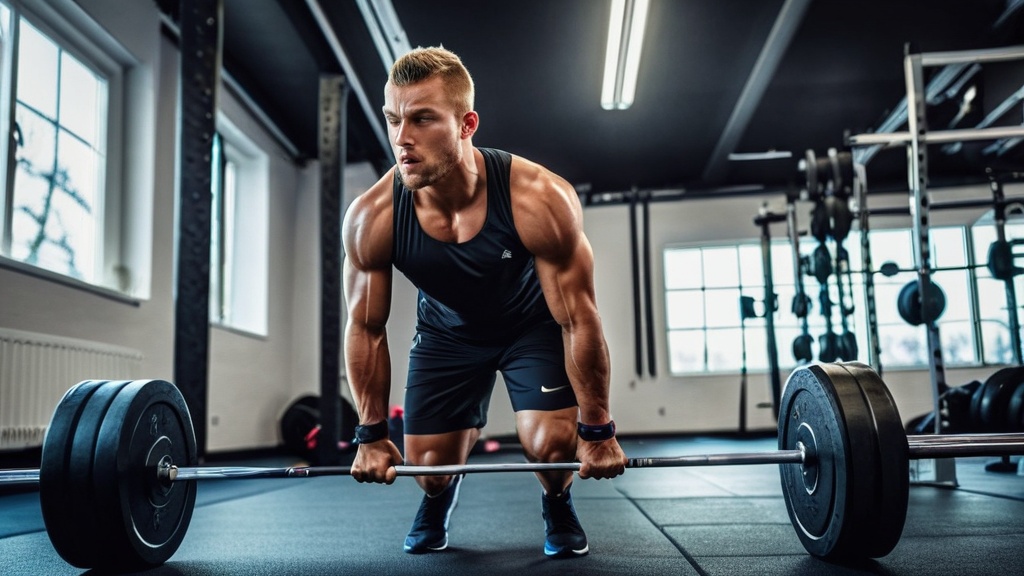
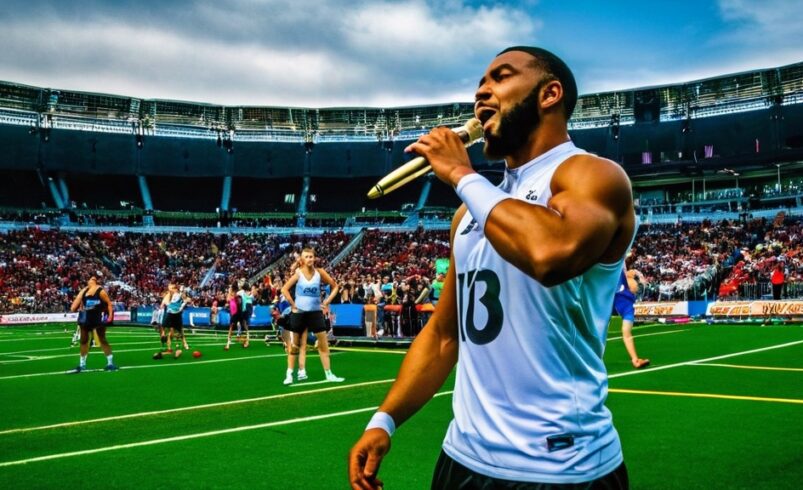
Do you see a musician perform and wonder at their effortless precision? Their artistry conceals rigorous training. These performers are more than entertainers. They are true performance athletes.
Imagine a concert pianist. Their fingers fly across the keys. A violinist plays complex passages. They both show incredible endurance. These skills come from years of practice. It’s like training for a marathon.
Musicians endure immense physical demands. They repeat intricate movements. This builds specific muscle groups. They also need mental fortitude. They perform under pressure.
Their training mimics athletic regimens. They dedicate hours daily. This includes physical and mental conditioning. It’s not just about talent. It’s also about hard work.
Physical Demands of Performance
Playing an instrument uses many muscles. A cellist needs core strength. A drummer uses their whole body. These movements are often repetitive. Repetition can lead to strain.
Extended practice causes fatigue. Musicians need stamina. They must maintain posture. Proper body mechanics are crucial. This prevents injuries.
Mental Fortitude and Focus
Performance requires intense focus. Musicians ignore distractions. They manage performance anxiety. This mental strength is learned. It improves with practice.
Visualization helps them succeed. They mentally rehearse their pieces. This prepares them for the stage. It builds confidence. It boosts concentration.
Training Like a Champion
Musicians develop specialized skills. They break down complex pieces. They practice in small sections. This builds muscle memory. It refines technique.
Their practice is deliberate. It’s not just playing notes. They focus on precision. They work on speed and endurance. This hones their artistry.
Structured Practice Schedules
Effective practice is organized. Musicians set clear goals. They divide their time wisely. Regular breaks are important. This prevents burnout.
They use warm-up routines. These prepare muscles for work. Cool-downs stretch and relax. This aids recovery. It minimizes stiffness.
Cross-Training for Musicians
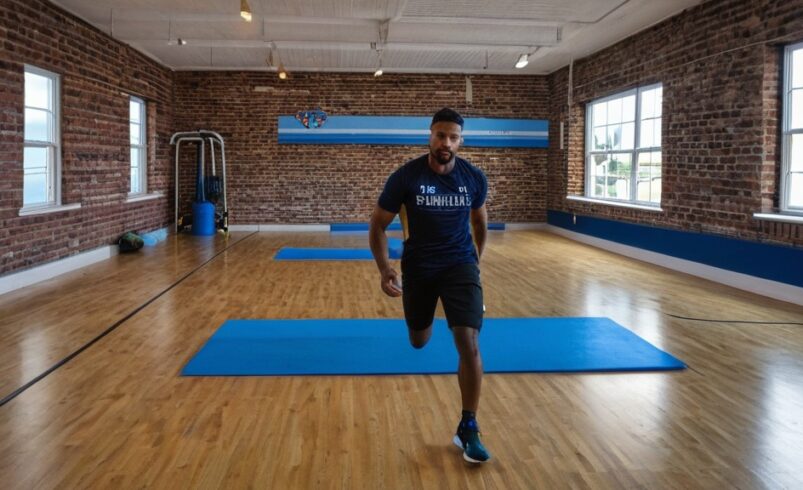
Variety in exercise is key. Musicians benefit from cross-training. Yoga improves flexibility. Pilates builds core strength. Swimming offers low-impact cardio.
These activities support performance. They reduce injury risk. They enhance overall physical fitness. Improved fitness leads to better playing.
Common Challenges and Injury Prevention
Musicians face unique health risks. Repetitive strain injuries are common. Carpal tunnel syndrome affects hands. Tendinitis impacts wrists. Back pain is prevalent.
Ignoring pain can worsen problems. Early intervention is important. Listen to your body’s signals. Adjust your practice if needed. Seek professional help.
Addressing Performance Anxiety
Stage fright is a real challenge. It can hinder performance. Deep breathing helps calm nerves. Mindfulness techniques aid focus. Positive self-talk builds confidence.
Performance coaches offer strategies. They teach coping mechanisms. Focus on your preparation. Trust your practice. Enjoy the moment.
Ergonomics and Posture
Proper posture is essential. It prevents strain. It improves breathing. It supports instrument technique. Adjust your setup for comfort.
Use ergonomic chairs. Position music stands correctly. Ensure your instrument fits well. Adjust straps or supports. This optimizes performance and comfort.
Nutrition and Hydration for Peak Performance

Fueling your body matters. Musicians need energy. A balanced diet provides it. Complex carbohydrates offer sustained energy. Lean proteins support muscle repair.
Hydration is crucial. Drink water throughout the day. Dehydration causes fatigue. It impacts concentration. Stay well-hydrated.
Eating for Energy and Recovery
Choose nutrient-rich foods. Fruits and vegetables provide vitamins. Whole grains offer fiber. Healthy fats support brain function. Plan meals and snacks.
Avoid sugary drinks. Limit processed foods. These can cause energy crashes. Fuel your body wisely. Support your performance.
The Role of Sleep
Sleep is vital for recovery. It helps muscle repair. It consolidates learning. Aim for 7-9 hours per night. Good sleep improves focus and mood.
Create a relaxing bedtime routine. Avoid screens before bed. Keep your bedroom dark and cool. Prioritize your sleep. It’s a performance enhancer.
The Future of Musician Health
| Music Performance Athletes |
Metrics |
| Number of Performances |
20 |
| Average Audience Size |
500 |
| Revenue Generated |
10,000 |
| Hours of Practice |
30 per week |
Awareness is growing. More research focuses on musicians. Sports medicine principles apply. This improves care for performers. It recognizes their athletic demands.
Specialized clinics emerge. They cater to musicians’ needs. Physical therapists understand instruments. They tailor treatments. This supports long careers.
Technological Advancements
Wearable tech monitors biometrics. It tracks heart rate and stress. Apps guide practice and mindfulness. These tools offer insights. They support healthy habits.
Virtual reality aids training. It simulates performance environments. Musicians rehearse safely. They build confidence. It prepares them for the stage.
Advocacy and Support
Musician organizations advocate for health. They raise awareness. They fund research. They create resources. This builds a stronger support system.
Educate yourself and others. Embrace healthy habits. Seek expert advice. Support fellow musicians. Prioritize your well-being. Recognize your athletic spirit.
FAQs
What is a music performance athlete?
A music performance athlete is a musician who approaches their craft with the same dedication, discipline, and physicality as a traditional athlete. They focus on physical and mental conditioning to enhance their musical performance.
What are some examples of physical and mental conditioning for music performance athletes?
Physical conditioning for music performance athletes may include exercises to improve posture, breathing, and muscle strength. Mental conditioning may involve techniques to manage performance anxiety, enhance focus, and develop a resilient mindset.
How does being a music performance athlete differ from being a traditional musician?
Music performance athletes differ from traditional musicians in their approach to their craft. They prioritize physical and mental conditioning, view performance as a high-stakes event, and often seek to push the boundaries of their musical abilities.
What are the benefits of being a music performance athlete?
The benefits of being a music performance athlete include improved physical health, enhanced mental resilience, increased performance stamina, and the ability to consistently deliver high-quality performances.
How can one become a music performance athlete?
To become a music performance athlete, musicians can seek out specialized training programs, work with coaches who understand the unique demands of musical performance, and adopt a mindset that prioritizes physical and mental well-being alongside musical skill development.
Post Views: 209