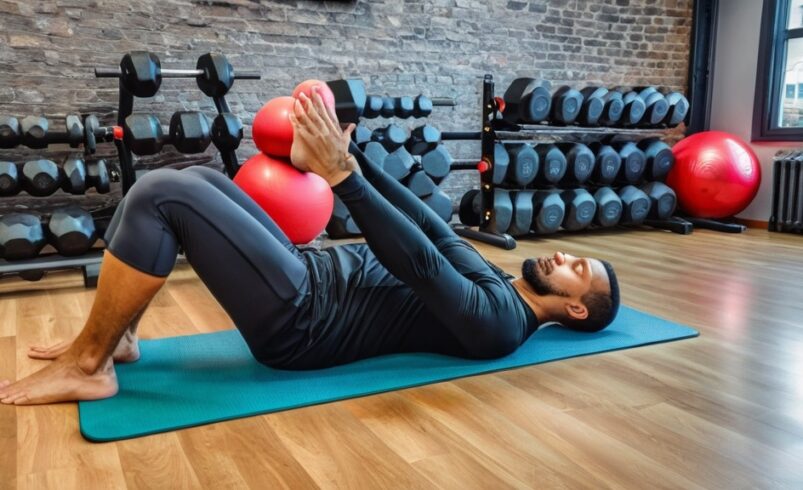
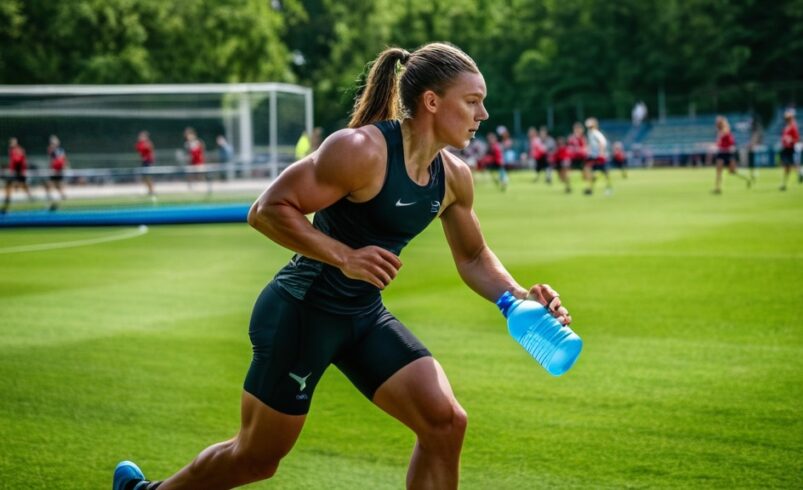
Unlock your athletic potential. Think faster, move smarter, and injury-proof your body. Simple exercises can drastically improve your game. Let’s explore how.
Mobility is your body’s ability to move freely. It involves your joints and the muscles around them. Good mobility allows for a full range of motion. This is crucial for athletic performance.
Why Mobility Matters for Athletes
Athletes need to move efficiently. Poor mobility limits speed and power. It also increases injury risk. Imagine a stiff door that creaks and groans. It doesn’t open and close smoothly. Your body can be like that without good mobility.
Mobility vs. Flexibility
Flexibility is a muscle’s ability to lengthen. Mobility is the joint’s ability to move. Both are important. However, mobility is about active, controlled movement. Flexibility is more about passive stretching.
Unlocking Hip Power: The Core of Movement
Your hips are central to almost every athletic action. Running, jumping, and changing direction all rely on them. Keeping your hips mobile is essential. This unlocks your true power.
Hip Flexor Mobility for Explosive Starts
Tight hip flexors hinder forward leg drive. This slows you down. It also strains your back. Releasing these muscles can create a powerful push-off. Think of a sprinter exploding from the blocks.
The Couch Stretch
This stretch targets the hip flexors. Kneel with one knee on the ground. Place the other foot forward. Gently bring your hips forward. You should feel a stretch in the front of your raised leg. Hold for 30 seconds. Repeat on both sides.
Glute Activation for Stability
Your glutes provide stability and power. Weak glutes lead to compensation. Other muscles then overuse. This can cause pain and injury. Strong, mobile glutes stabilize your pelvis.
Glute Bridges
Lie on your back. Bend your knees. Place your feet flat. Lift your hips off the ground. Squeeze your glutes at the top. Lower slowly. Do 10-15 repetitions.
Rotational Mobility for Agility
Athletes need to twist and turn. This requires good hip rotation. Limited rotation impacts agility. It also affects force transfer. Imagine trying to swing a baseball bat with stiff hips. Your swing would be weak.
90/90 Stretch
Start on the floor. Bend your front leg to 90 degrees. Keep your back shin parallel to your hips. Your back leg also forms a 90-degree angle. Keep your torso upright. You can lean forward to deepen the stretch. Hold for 30 seconds. Switch sides.
Shoulder Health: The Engine of Upper Body Action
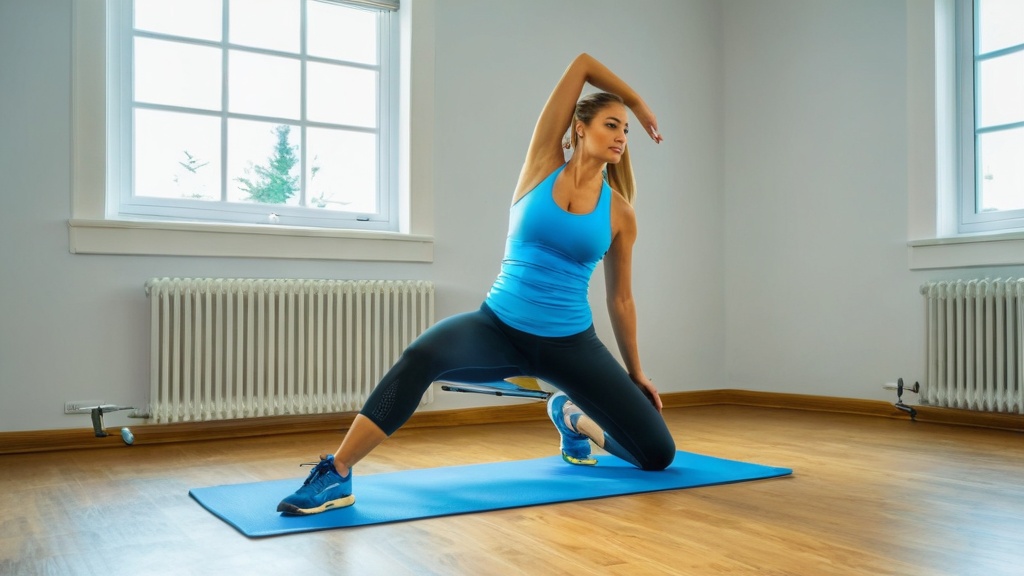
Your shoulders drive throwing, hitting, and pushing. They need to move freely and powerfully. Good shoulder mobility prevents injury. It also improves your reach and force.
Shoulder Flexion and Extension Range
This is the ability to move your arm forward and backward. It’s vital for throwing and swimming. Limited range impacts your swing. It can also cause impingement.
Arm Circles
Stand with feet shoulder-width apart. Extend your arms to the sides. Make small circles forward. Gradually increase the circle size. Continue for 30 seconds. Reverse the direction.
Scapular Stability for Powerful Strokes
Your shoulder blades (scapulae) support your arms. Stable scapulae allow for better force. They also protect your shoulder joint. Imagine trying to push a heavy object with wobbly shoulders. It’s difficult.
Wall Angels
Stand with your back against a wall. Bend your elbows to 90 degrees. Place your forearms and hands on the wall. Keep your lower back pressed gently. Slide your arms up the wall. Keep your elbows and wrists in contact. Lower slowly. Aim for 10-15 repetitions.
Thoracic Spine Mobility for Rotation
Your mid-back (thoracic spine) allows rotation. This connects your hips to your shoulders. Limited thoracic mobility restricts upper body movement. It often leads to compensations in the lower back.
Thread the Needle
Start on your hands and knees. Reach one arm under your body. Twist your torso. Bring your shoulder and head towards the floor. Extend the same arm back up. Repeat this motion. Do 10-12 repetitions on each side.
Ankle and Foot Mobility: Your Connection to the Ground
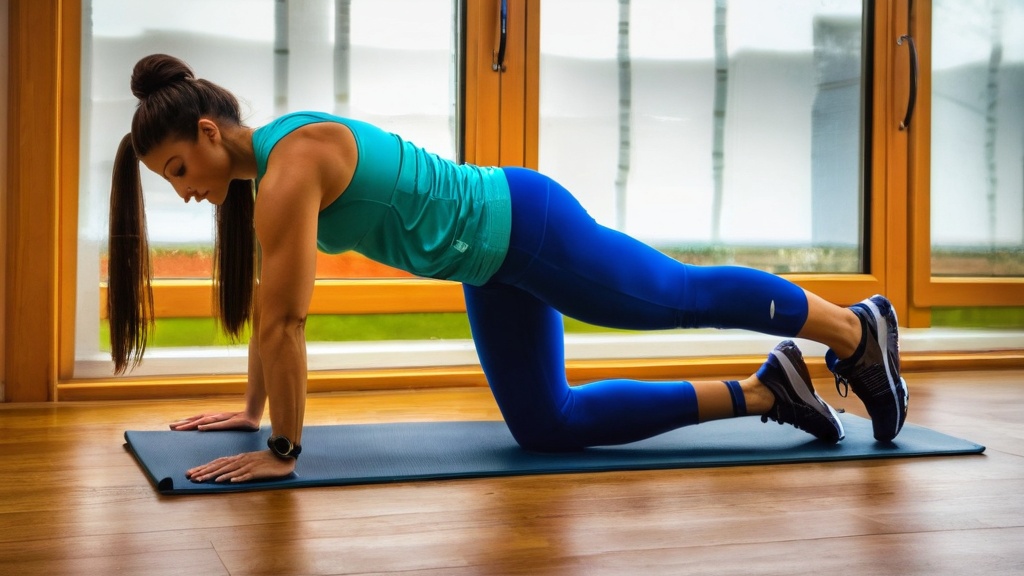
Your ankles and feet are your base. They absorb impact and provide propulsion. Good ankle mobility is key for stability. It also helps prevent common injuries.
Dorsiflexion for Strides and Jumps
Dorsiflexion is bending your foot upwards. This movement is essential for running. It allows your foot to land softly. It also helps with explosive jumps.
Kneeling Ankle Mobilization
Kneel with your toes tucked under. Gently rock back onto your heels. You will feel a stretch in your feet and ankles. Hold for 20 seconds. Then, place the tops of your feet flat. Rock back slightly. Hold for 20 seconds.
Plantarflexion for Pushing Off
Plantarflexion is pointing your toes downwards. This is crucial for jumping and pushing off. Limited plantarflexion can affect your stride length. It can also impact your vertical leap.
Calf Raises with Ankle Emphasis
Stand with your feet flat. Rise up onto the balls of your feet. Hold briefly. Lower slowly. For an added stretch, try doing this with your toes elevated slightly on a step. Perform 15-20 repetitions.
Foot Intrinsic Muscle Strength
The small muscles in your feet are vital. They control fine movements. They also help with balance. Strong foot muscles support your arches. They absorb shock effectively.
Towel Curls
Sit with your feet flat. Place a small towel on the floor. Use your toes to scrunch the towel towards you. Release slowly. Repeat for 10-15 repetitions per foot.
The Power of the Spine: Maintaining a Strong and Flexible Core
| Exercise |
Description |
Benefits |
| Dynamic Stretching |
Moving the body through a range of motion to improve flexibility and mobility. |
Enhances athletic performance, reduces risk of injury. |
| Foam Rolling |
Using a foam roller to release muscle tightness and improve flexibility. |
Increases blood flow, reduces muscle soreness. |
| Resistance Band Exercises |
Using resistance bands to stretch and strengthen muscles. |
Improves flexibility, strengthens muscles. |
Your spine is the central support of your body. Core strength and mobility are interconnected. A mobile spine allows for better force transfer. It also protects your lower back.
Lumbar Spine Stability for Power Transfer
Your lower back (lumbar spine) needs stability. It connects your upper and lower body. A stable lumbar spine transfers power efficiently. It prevents injury from sudden movements.
Bird-Dog Exercise
Start on your hands and knees. Keep your back flat. Extend one arm forward. Extend the opposite leg backward. Keep your core engaged. Hold for a moment. Return to the start. Alternate sides. Do 10-12 repetitions per side.
Thoracic Spine Extension for Breathing and Posture
Being able to extend your upper back is important. Good thoracic extension opens your chest. This improves breathing. It also counteracts slouching. Athletes often hunch forward.
Cat-Cow Pose
Start on your hands and knees. Arch your back, dropping your belly low. Look up slightly. This is the Cow pose. Then, round your spine, tucking your chin. This is the Cat pose. Move smoothly between poses. Repeat for 10-15 cycles.
Spinal Rotation for Dynamic Movements
The ability to rotate your spine is athletic. It allows for powerful turns and throws. Controlled rotation prevents strain. It connects your core to your limbs.
Russian Twists
Sit on the floor. Bend your knees. Lean back slightly. Keep your back straight. Clasp your hands together. Twist your torso to one side. Then twist to the other side. Keep your feet on the ground or lift them for a challenge. Do 15-20 twists per side.
Integrating Mobility into Your Training Routine
Making mobility a habit is key. You don’t need hours. Short sessions yield big results. Consistency is more important than duration.
Dynamic Warm-ups Before Exercise
Start every workout with movement. Dynamic stretches prepare your body. They increase blood flow to muscles. They also activate your nervous system. This makes your body ready for action.
Pre-Workout Routine Example
Begin with light cardio. Then do some of the exercises mentioned. Focus on the joints you will use. For example, before running, prioritize hip and ankle mobility.
Static Stretching After Exercise
Static stretches are best done when warm. Hold stretches for longer periods. This improves flexibility. It can help with muscle recovery. It aids in reaching a greater range of motion over time.
Post-Workout Cool-down Example
Include stretches for major muscle groups. Hold each stretch for 30 seconds. Focus on areas that feel tight. This includes hamstrings, quads, and shoulders.
Mobility Work on Rest Days
Rest days are not for complete inactivity. Gentle mobility work is beneficial. It helps maintain range of motion. It can also aid in recovery. You can reduce stiffness.
Active Recovery Ideas
Consider activities like yoga or foam rolling. These can improve tissue health. They also promote relaxation. Listen to your body. Do what feels good.
By incorporating these mobility exercises, you invest in your athletic future. You build a stronger, more resilient body. Move better, feel better, and perform at your peak.
FAQs
What are mobility exercises for athletes?
Mobility exercises for athletes are movements and stretches designed to improve flexibility, range of motion, and joint stability. These exercises help athletes move more efficiently and reduce the risk of injury during training and competition.
Why are mobility exercises important for athletes?
Mobility exercises are important for athletes because they help improve overall performance, prevent injuries, and aid in recovery. By increasing flexibility and range of motion, athletes can move more freely and efficiently, leading to better athletic performance.
What are some examples of mobility exercises for athletes?
Examples of mobility exercises for athletes include dynamic stretching, foam rolling, yoga, Pilates, and specific joint mobility drills. These exercises focus on improving flexibility, stability, and mobility in key areas such as the hips, shoulders, and spine.
When should athletes perform mobility exercises?
Athletes should incorporate mobility exercises into their regular training routine. It is beneficial to perform mobility exercises both before and after workouts to prepare the body for movement and aid in recovery. Additionally, athletes can perform mobility exercises on rest days to maintain flexibility and range of motion.
How often should athletes do mobility exercises?
Athletes should aim to incorporate mobility exercises into their training routine at least 2-3 times per week. However, the frequency of mobility exercises may vary depending on individual needs, training intensity, and specific athletic goals. It is important to listen to the body and adjust the frequency of mobility exercises accordingly.
Post Views: 266