

Recovery Plan: Essential for Athletes’ Performance
- June 16, 2026
- 0
Imagine pushing your body to its limits. You finish a tough workout or competition. Your muscles ache. You feel tired. This is where recovery begins its magic. It’s


Imagine pushing your body to its limits. You finish a tough workout or competition. Your muscles ache. You feel tired. This is where recovery begins its magic. It’s

Imagine pushing your body to its limits. You finish a tough workout or competition. Your muscles ache. You feel tired. This is where recovery begins its magic. It’s not just rest. It’s active rebuilding. This process is key for athletes. It helps them perform at their best.
Your body works hard during activity. It uses energy. It creates micro-tears in muscles. These tears are normal. They are part of getting stronger.
Repeated exercise damages muscle fibers. This damage signals the body to repair them. The body rebuilds these fibers. They become thicker and stronger. This adaptation happens during rest.
Your body uses glycogen for fuel. Glycogen stores deplete during exercise. Recovery allows these stores to refill. This provides energy for future performance.
Metabolic byproducts build up during exercise. These include lactic acid. Recovery helps clear these substances. This reduces muscle soreness. It prevents fatigue.
Effective recovery uses multiple strategies. These work together. They enhance the body’s natural healing. No single method is enough alone.
Sleep is crucial for recovery. During sleep, your body repairs tissues. It releases growth hormone. This hormone aids muscle repair. Aim for 7-9 hours of quality sleep. Create a dark, quiet bedroom. Avoid screens before bed. Limit caffeine late in the day. Consistent sleep schedules help too.
What you eat matters greatly. It provides building blocks. It replenishes energy. Protein is vital for muscle repair. Carbohydrates restore glycogen stores. Healthy fats support hormone function. Timing your meals is also important. Eat a balanced meal soon after exercise. Include lean protein and complex carbs. Hydration is equally important. Drink water throughout the day. Replenish fluids lost during training. Electrolyte drinks can help during intense sessions.
Contrary to popular belief, rest is not always complete inactivity. Active recovery involves light movement. It promotes blood flow. This helps deliver nutrients. It removes waste products.
Examples include walking or cycling. Jogging at a very easy pace works too. Do this for 20-40 minutes. Keep the intensity low. You should be able to hold a conversation. This helps loosen stiff muscles. It aids in the removal of byproducts.
Gentle stretching can improve flexibility. It can reduce muscle tension. Focus on the muscles used during training. Static stretches hold for 30 seconds. Dynamic stretches involve controlled movements. Foam rolling is another helpful technique. It applies pressure to muscle knots. This can release tightness.
Physical stress impacts mental state. Mental stress can hinder physical recovery. Find ways to relax and de-stress. This benefits your whole system.
These practices reduce stress hormones. They improve focus and clarity. Even a few minutes daily helps. Guided meditations are readily available. Deep breathing exercises are effective. They calm the nervous system.
Engage in hobbies you love. Spend time with friends and family. These activities provide a mental break. They help you recharge your mental batteries. Prioritize these moments. They are not frivolous extras. They are part of holistic recovery.
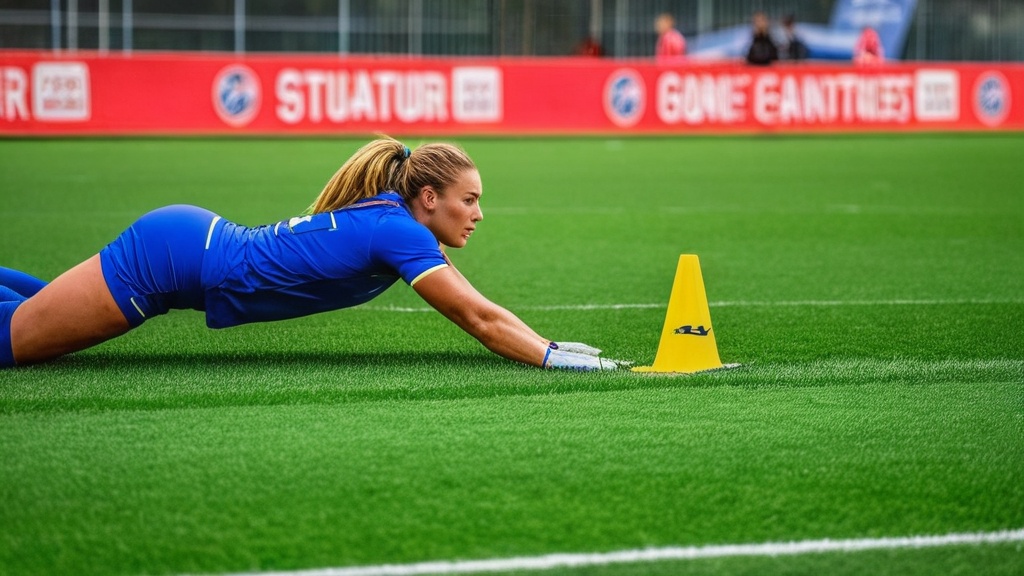
The best recovery plan is personalized. It depends on the sport. It considers training intensity. Individual needs also play a role.
These athletes deplete glycogen stores significantly. They also experience muscle breakdown. Focus on carbohydrate replenishment. Continue protein intake for muscle repair. Hydration is paramount for long distances. Prioritize ample sleep to support healing. Active recovery helps maintain blood flow.
Muscle growth is a primary goal. Protein intake is critical for repair and building. Rest between sets is part of training recovery. Ensure adequate rest days between heavy lifting sessions. Sleep is essential for muscle protein synthesis.
These athletes have varied demands. They require bursts of speed and endurance. Recovery needs to address both. Nutrition should support glycogen and protein needs. Active recovery can help maintain agility. Mental recovery is also important. They face game-day pressures.
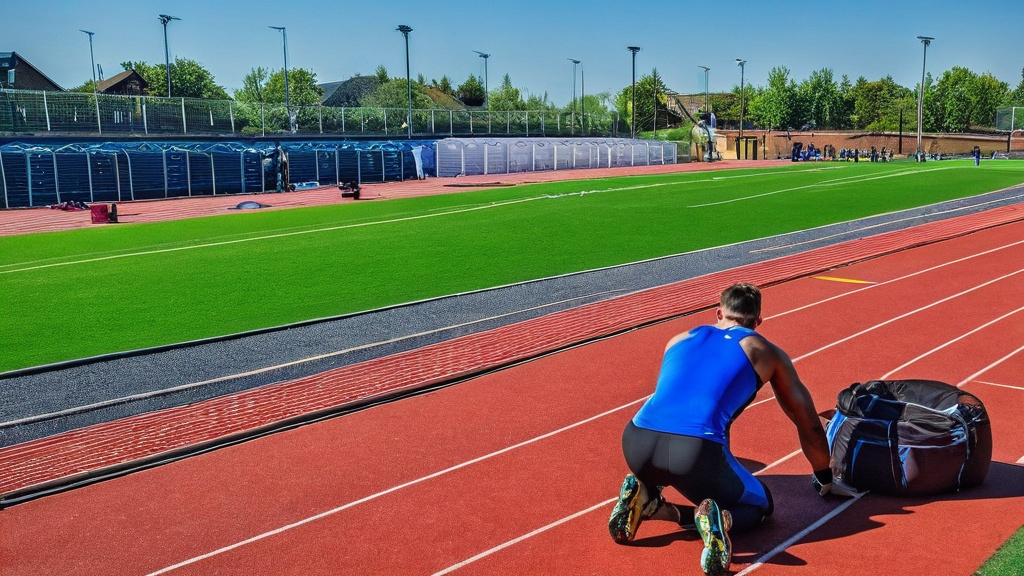
The body needs time to rebuild. This is where adaptation happens. Without sufficient rest, progress stalls. Overtraining can lead to injury.
This occurs from too much training. It leads to persistent fatigue. Performance declines. Mood can become negative. Immune function may weaken. Listen to your body’s signals. Adjust training as needed.
These are planned periods of reduced training. They allow the body to fully recover. They prevent burnout. They help the body adapt more effectively. Deloads are strategic. They are not signs of weakness. They are hallmarks of smart training.
| Athlete Name | Injury Type | Recovery Plan | Expected Return Date |
|---|---|---|---|
| John Smith | Knee injury | Physical therapy, rest, and ice treatment | October 15, 2021 |
| Sarah Johnson | Ankle sprain | Bracing, elevation, and rehabilitation exercises | November 5, 2021 |
| Michael Brown | Shoulder dislocation | Immobilization, strengthening exercises, and gradual return to activity | December 1, 2021 |
Sometimes recovery needs expert guidance. A professional can offer tailored advice. They can help identify underlying issues.
They help optimize your nutrition plan. They ensure you meet your specific needs. They can create meal plans for athletes. They address fueling before, during, and after training.
They can assess movement patterns. They can treat injuries effectively. They provide rehabilitation programs. They help athletes return to sport safely.
They support mental well-being. They help athletes manage pressure. They enhance coping mechanisms. They build resilience.
Create a plan that works for you. Be consistent with your chosen strategies. Monitor your progress and adjust as needed. Recovery is an ongoing process. It’s a vital part of athletic success. Don’t underestimate its power. It is the foundation for your next peak performance. It helps you stay healthy and engaged. It ensures your passion for sport continues. Make recovery a priority. Your body will thank you. Your performance will reflect it. Consider your lifestyle. Integrate recovery practices seamlessly. Small, consistent efforts yield big results. Think of it as investing in your future self. It is about long-term athletic thriving. Not just short-term gains. Enjoy the process of rebuilding. Celebrate your body’s ability to adapt. This journey is as important as the training itself. It unlocks your true potential. It allows you to reach new heights. It makes every effort count. It is the secret weapon of champions. It is accessible to every athlete. It requires dedication and intention. It is a commitment to your well-being. It ensures sustainable performance. It postpones fatigue and injury. It maximizes training benefits. It transforms potential into reality. It requires understanding your body’s signals. It means respecting its limits and capabilities. It is about balance. It is about smart choices. It is about listening to your body. It is about proactive self-care. It is the essential partner to training. It is the gateway to sustained excellence. It is the foundation for a long athletic career. It is understanding that progress isn’t linear. It has ups and downs. Recovery smooths out those dips. It builds a more resilient athlete. It cultivates a stronger mind-body connection. It’s about feeling good. It’s about performing optimally. It is about enjoying the journey. It is about being the best version of yourself. It is the unsung hero of athletic achievement. It is the critical step after every challenge. It is your personal pathway to continuous improvement. It is a testament to your dedication. It is the intelligent approach to sport. It ensures you return stronger, faster, and more resilient. It is about respecting the process of adaptation. It is about giving your body the tools it needs to excel. It is your investment in every single training session. It fuels your ability to push your boundaries. It is the silent partner in every victory. It is the key to unlocking your full athletic potential. It bridges the gap between effort and achievement. It is the crucial element that separates good from great. It empowers your body and mind. It allows for consistent, high-level performance. It is not an afterthought. It is a core component of training. It is the foundation for an injury-free season. It is about smart, strategic rest. It is about mindful nourishment. It is about proactive self-care. It is your competitive edge. It is the discipline that leads to sustained success. It is about holistic well-being. It is about fueling your passion for sport. It is about long-term athletic health. It is the critical phase of adaptation. It ensures your body can handle future demands. It is the difference between burning out and building endurance. It is about giving your body what it needs to thrive. It is the strategic downtime that fuels peak output. It is the essential counterpart to every workout. It is your body’s opportunity to excel. It is the cornerstone of athletic longevity. It is the proactive measure for optimal results. It is about respecting the biological processes that drive performance. It is the bridge between practice and competition readiness. It is the secret to continuous progress. It is your personalized roadmap to success. It is the foundation of a healthy, high-performing athlete. It is the intelligence behind your training. It is the ongoing commitment to your body. It is the quiet work that leads to loud results. It is the ultimate investment in your athletic future.
A recovery plan for athletes is a structured program designed to help athletes recover from intense training, competitions, and injuries. It typically includes strategies for rest, nutrition, hydration, stretching, and other recovery techniques to optimize performance and prevent injuries.
A recovery plan is important for athletes because it helps them recover faster, reduce the risk of overtraining and injuries, and improve overall performance. It also allows the body to adapt to the stress of training and competition, leading to better long-term results.
Common components of a recovery plan for athletes include adequate rest and sleep, proper nutrition and hydration, active recovery exercises, stretching and flexibility training, massage therapy, ice baths, and other recovery modalities such as compression garments and foam rolling.
Athletes should follow a recovery plan on a daily basis, incorporating specific recovery strategies into their training schedule and post-competition routine. Additionally, they may need to adjust their recovery plan based on the intensity and duration of their training or competition.
Yes, there are different recovery plans for different types of athletes based on their sport, training volume, intensity, and individual needs. Endurance athletes, strength athletes, team sport athletes, and individual sport athletes may require specific recovery strategies tailored to their unique demands and goals.