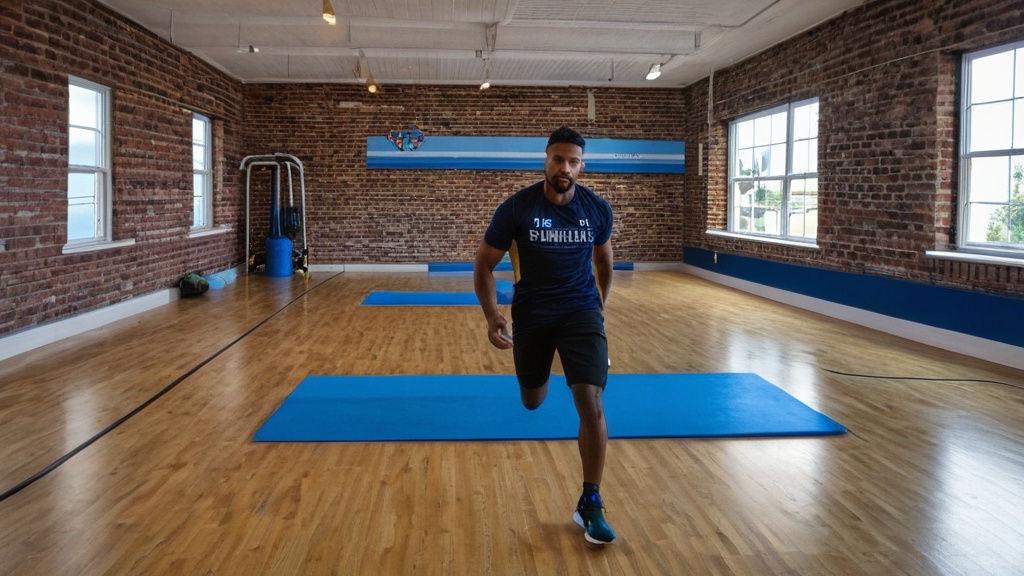
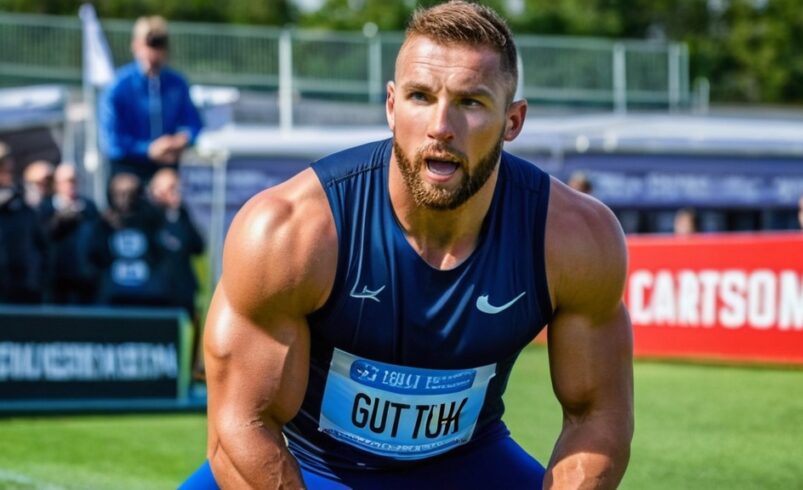
Your gut is more than just a digestive system. It’s a powerhouse influencing your athletic potential. Imagine feeling strong, focused, and energized during every workout. Optimizing your gut health can help you achieve that peak performance.
The gut microbiome houses trillions of microorganisms. These microbes play a vital role in nutrient absorption. They also support immune function. A healthy gut means a healthy athlete. Research shows a strong link between gut microbiota and athletic performance (Mailing et al., 2019).
Fueling Your Gut Microbes
Think of your gut microbes as tiny teammates. They need the right fuel to thrive. A diverse diet is crucial for gut health. This diversity feeds different types of beneficial bacteria.
Impact on Energy Levels
A balanced gut helps produce short-chain fatty acids (SCFAs). SCFAs are energy sources for your body. They can improve mitochondrial function. This means more efficient energy production for athletes.
Diet: The Foundation of Gut Health
What you eat directly impacts your gut. A varied, whole-food diet supports a diverse microbiome. Prioritize nutrient-dense foods. This provides essential vitamins and minerals.
Fiber: Your Gut’s Best Friend
Fiber is crucial for gut health. It acts as a prebiotic. Prebiotics feed beneficial gut bacteria. Aim for a wide range of fiber sources.
Consider berries, leafy greens, and whole grains. An example: a cyclist might add oats and flaxseeds to their breakfast. This provides sustained energy for a long ride. The bacteria in their gut will thank them too.
Probiotics: Beneficial Bacteria
Probiotics are live beneficial bacteria. They can replenish your gut microbiome. Fermented foods are great sources. Think yogurt, kefir, and sauerkraut.
A common scenario: an athlete feeling digestive upset. Adding kefir could introduce helpful bacteria. This may ease discomfort. Always choose reputable brands.
Limiting Processed Foods
Processed foods often lack fiber and nutrients. They can upset your gut balance. High sugar and unhealthy fats harm gut bacteria. Minimize their consumption for optimal gut health.
Imagine an athlete choosing a sugary energy drink daily. This might provide a quick boost. However, it can negatively impact their long-term gut health. Opt for whole food alternatives instead.
Stress Management for a Happy Gut
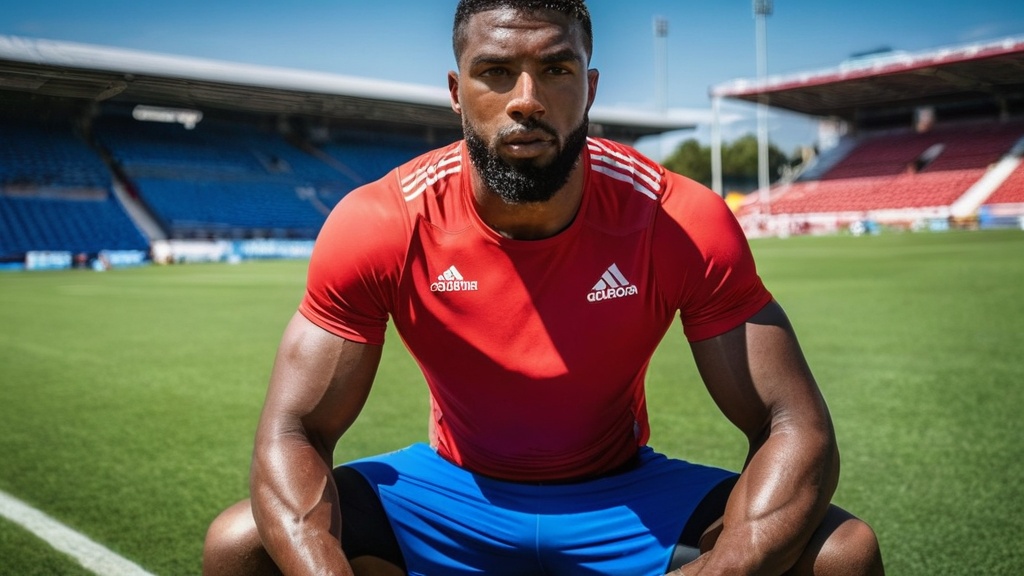
Stress impacts more than just your mind. It affects your digestive system too. The gut-brain axis is a two-way street. Stress can disrupt gut microbiota. This impacts nutrient absorption and inflammation.
The Gut-Brain Axis Explained
Your gut and brain communicate constantly. This connection influences mood and digestion. High stress can lead to gut issues. It can also impair recovery.
Consider a runner before a big race. The pre-race jitters are normal. Too much stress, however, can cause digestive upset. This impacts performance.
Effective Stress-Reduction Techniques
Incorporate mindfulness into your routine. Yoga, meditation, or deep breathing can help. Spend time in nature. These activities reduce stress hormones.
An athlete might try 10 minutes of meditation daily. This simple practice can calm their nervous system. It promotes a healthier gut environment.
Prioritizing Quality Sleep
Sleep is vital for recovery. It also helps manage stress. Poor sleep disrupts your gut microbiome. Aim for 7-9 hours of quality sleep.
Think of a weightlifter after a tough training session. Proper sleep helps muscle repair. It also allows the gut to recover. This supports overall performance.
Hydration: Crucial for Digestion
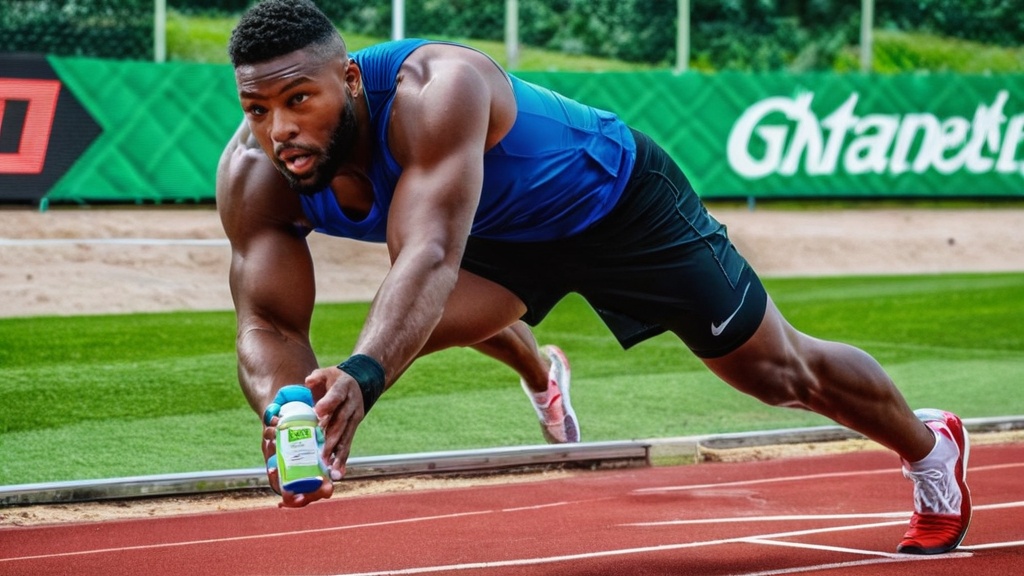
Water is essential for every bodily function. It aids nutrient absorption. It also helps move waste through your digestive system. Dehydration can lead to gut issues.
The Role of Water in Digestion
Water softens stool. This prevents constipation. It also helps transport nutrients to cells. Proper hydration supports a healthy gut environment.
Picture a basketball player after an intense game. They sweat a lot. Replenishing fluids is vital. It supports gut function and overall recovery.
How Much Water Do Athletes Need?
Athletes generally need more water. Sweat rates vary greatly. Listen to your body’s thirst cues. Aim for clear to pale yellow urine.
A marathon runner needs consistent hydration. They might carry a water bottle during training. This ensures fluid intake throughout their run.
Electrolytes and Gut Health
Electrolytes are important after heavy sweating. They maintain fluid balance. Coconut water or electrolyte-rich drinks can help. Always choose options with minimal added sugar.
Exercise and Gut Microbiome
| Metrics |
Performance Athletes |
| Probiotic intake |
High |
| Fiber consumption |
Optimal |
| Gut microbiome diversity |
Well-maintained |
| Digestive discomfort |
Low |
Regular physical activity benefits your gut. It increases microbiome diversity. Exercise can also improve gut motility. This reduces transit time.
Diverse Training for Diverse Gut
Varied exercise types promote different gut benefits. Combine strength training with cardio. Incorporate flexibility and balance work. This supports a robust gut.
Imagine a triathlete’s training regimen. They run, swim, and cycle. This diverse physical activity benefits their gut in multiple ways.
Impact on Gut Motility
Exercise can improve gut transit time. This means food moves efficiently. It reduces bloating and discomfort. Regular movement keeps your digestive system happy.
A common issue: an athlete experiences sluggish digestion. Regular walks or light jogging can often help. This gentle movement stimulates the gut.
The Microbiome-Exercise Feedback Loop
A healthy microbiome supports exercise capacity. Exercise, in turn, enhances gut diversity. It’s a positive cycle. This benefits athletic performance. (Clark et al., 2021).
Practical Tips for Athletes
Integrate these strategies into your routine. Small changes can make a big difference. Consistency is key for gut health.
Gradual Dietary Changes
Don’t overhaul your diet overnight. Introduce new foods slowly. This allows your gut to adapt. Pay attention to how you feel.
Consider an athlete wanting to increase fiber. They might add a small serving of lentils. They would slowly increase the amount over time. This prevents digestive upset.
Meal Timing and Digestion
Timing your meals can optimize digestion. Avoid large meals close to exercise. Give your body time to digest. This prevents gut distress during workouts.
An important tip for a marathoner. They should eat their last substantial meal hours before the race. A light snack might be tolerated closer to start time.
Listen to Your Body’s Cues
Everyone’s gut is unique. Pay attention to what works for you. Notice how different foods make you feel. Adjust your diet accordingly.
If a particular food causes discomfort, scale back. Or try it in a different form. Your gut provides valuable feedback.
Consulting a Professional
For persistent gut issues, seek medical advice. A sports dietitian or gastroenterologist can help. They provide personalized guidance. They can rule out underlying conditions.
For example, an athlete experiencing chronic bloating. A professional can identify specific triggers. They can then recommend targeted interventions. This ensures safe and effective solutions.
Optimizing gut health is a powerful strategy for athletes. It enhances energy, recovery, and overall well-being. A healthy gut is your secret weapon for peak performance.
References:
Clark, A., Mach, N., & O’Hara, L. (2021). Exercise, the Gut Microbiota, and Immunity: The Health Connection. Sports Medicine, 51(1), 1-13.
Mailing, L. J., Bharwani, S., Nishimoto, A. T., Zha, B. S., & Knight, R. (2019). The gut microbiome and athletic performance: a narrative review. Journal of Sports Sciences, 37(10), 1146-1153.
FAQs
What is gut health and why is it important for performance athletes?
Gut health refers to the balance of microorganisms that reside in the digestive tract. It is important for performance athletes because a healthy gut can improve nutrient absorption, energy levels, and overall immune function.
How does gut health impact athletic performance?
A healthy gut can improve athletic performance by aiding in the digestion and absorption of nutrients, reducing inflammation, and supporting the immune system. It can also help prevent gastrointestinal issues that can hinder performance.
What are some ways performance athletes can improve their gut health?
Performance athletes can improve their gut health by consuming a diverse range of fruits, vegetables, whole grains, and fermented foods. They can also consider taking probiotic supplements, managing stress, and staying hydrated.
Can poor gut health lead to digestive issues for performance athletes?
Yes, poor gut health can lead to digestive issues such as bloating, cramping, diarrhea, and constipation for performance athletes. These issues can negatively impact their training and competition.
Are there any specific diets that can support gut health for performance athletes?
Diets that are high in fiber, lean proteins, and healthy fats can support gut health for performance athletes. Additionally, diets that include fermented foods, such as yogurt and kimchi, can also promote a healthy gut microbiome.
Post Views: 273