

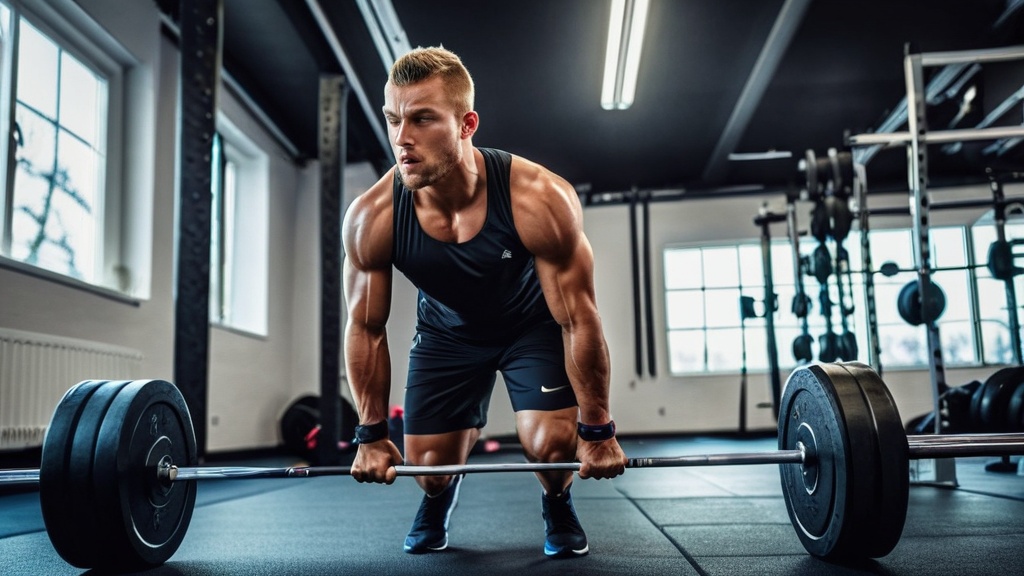
Mindfulness: The Key to Peak Athlete Performance
- May 7, 2026
- 0
Imagine stepping onto the field, the crowd roaring. Your heart pounds. You feel the pressure. How do elite athletes stay calm and focused? Mindfulness is their secret weapon.


Imagine stepping onto the field, the crowd roaring. Your heart pounds. You feel the pressure. How do elite athletes stay calm and focused? Mindfulness is their secret weapon.

Imagine stepping onto the field, the crowd roaring. Your heart pounds. You feel the pressure. How do elite athletes stay calm and focused? Mindfulness is their secret weapon.
Mindfulness is simply paying attention. You focus on the present moment. You do this without judgment. Think of it like a spotlight. It illuminates your thoughts and feelings. You notice them without getting carried away.
Research shows mindfulness changes the brain. It strengthens areas for focus. It calms the stress response. This is especially helpful for athletes. The American Psychological Association (APA) highlights these benefits.
Meditation is a common mindfulness practice. It involves sitting quietly. You focus on your breath or a mantra. Mindfulness is broader. It’s about being present in any activity. You can be mindful while running or swimming.
Athletes face immense pressure. They need peak mental and physical control. Mindfulness helps them achieve this. It sharpens their focus. It improves their emotional regulation.
A distracted athlete misses cues. They might make mistakes. Mindfulness trains the brain to stay present. This means focusing on the game. It means ignoring distractions like the crowd’s noise. A basketball player stays locked onto the ball. They don’t get rattled by missed shots.
Games are fast. Decisions happen in a flash. Mindfulness helps athletes think clearly. They react better to changing situations. A soccer player sees an opening. They pass the ball with precision. They don’t panic.
Sports bring ups and downs. Athletes experience wins and losses. They feel frustration and elation. Mindfulness teaches acceptance. Athletes can acknowledge feelings. They don’t let them control actions. A tennis player shakes off a bad call. They focus on the next point.

Many simple practices help build mindfulness. Athletes can integrate these into their routines. Consistency is key for developing skill.
Breathing is always available. It anchors you to the present. Deep breaths calm the nervous system. Inhale slowly through your nose. Exhale slowly through your mouth. Feel your belly rise and fall. Repeat this several times before a competition.
This technique involves equal counts for inhale, hold, exhale, and hold. Breathe in for four counts. Hold for four counts. Breathe out for four counts. Hold for four counts. This structured rhythm can be very grounding.
Focus on breathing with your diaphragm. This is the muscle below your lungs. It allows for deeper breaths. Place a hand on your belly. Feel it expand as you inhale. This fully engages your respiratory system.
This practice involves bringing awareness to different parts of the body. Lie down comfortably. Gently bring your attention to your toes. Notice any sensations there. Move your awareness slowly up your legs. Then your torso, arms, and head. This heightens body awareness. It helps identify tension or fatigue.
Incorporate mindfulness into training. Pay attention to your body’s movements. Feel the swing of your arms while running. Notice the stretch in your legs. This connects mind and body. It makes every workout a practice.
Walk at a slow, deliberate pace. Feel your feet hitting the ground. Notice the movement of your body. Observe your surroundings without judgment. This can be a calming pre-game ritual.
As you stretch, focus on the sensation. Feel the muscles lengthen. Notice any tightness or release. Avoid forcing the stretch. Simply observe the physical experience. This increases body awareness and flexibility.
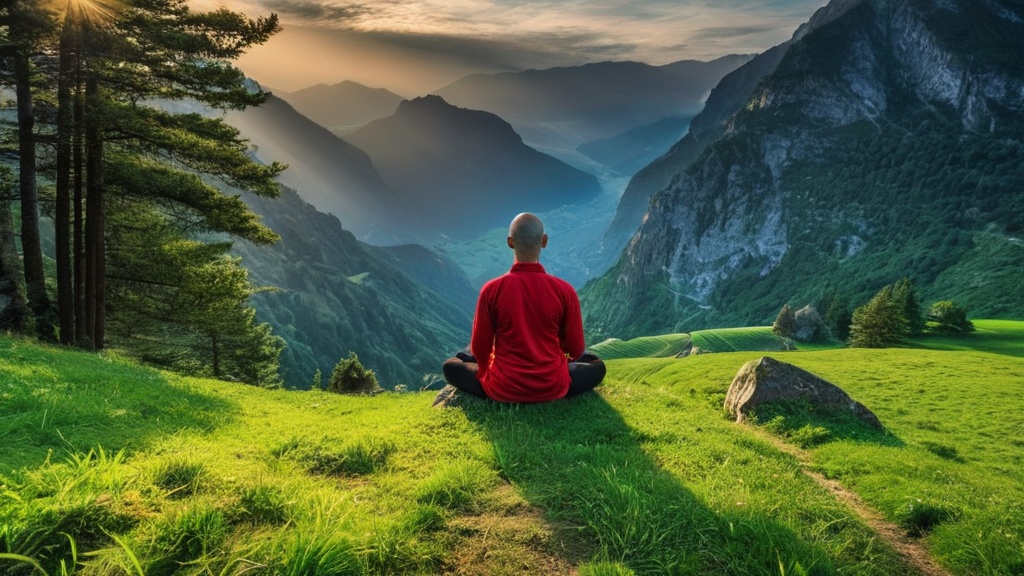
Even with practice, challenges arise. Athletes may struggle to maintain focus. Distracting thoughts can intrude. The key is persistent, gentle effort.
Thoughts will inevitably pop up. Don’t try to force them away. Acknowledge them like clouds passing. Gently return your attention to the present. This is the core of the practice. Think of it like a gentle redirection.
Imagine watching your thoughts. They are separate from you. You are the observer. This detachment allows clearer thinking. It prevents you from getting caught up in worries.
Anxiety is common in sports. Mindfulness helps reframe anxiety. Notice the physical sensations. Acknowledge the fear without resistance. Focus on your breath. This creates a calmer state.
When feeling overwhelmed, ground yourself. Focus on your five senses. What do you see? What do you hear? What do you smell? What do you feel? What do you taste? This brings you back to the present reality.
| Athlete | Mindfulness Practice (hours/week) | Performance Improvement (%) |
|---|---|---|
| John Doe | 5 | 12 |
| Jane Smith | 3 | 8 |
| Michael Johnson | 6 | 15 |
Mindfulness isn’t just for individual practice. It can be woven into the entire athletic journey.
Start your day mindfully. Use breathing exercises. Do a short body scan. This sets a calm, focused tone. It prepares your mind for the challenge.
Combine mindfulness with visualization. Imagine successful actions. Feel the confidence. Notice your body’s state as you visualize. This makes the mental rehearsal more potent.
Use brief mindfulness cues. Take a deep breath between points. Briefly scan your body for tension. This helps you reset and refocus quickly. It allows for quick adjustments.
Even a second of mindful pause helps. After a mistake, take a breath. Let go of the error. Prepare for the next play. This prevents momentum loss.
After an event, practice mindful reflection. Observe your performance. Notice your emotions without judgment. Learn from the experience. This supports continuous improvement.
Pay attention to your body during recovery. Notice aches and fatigue. Respond with care. This enhances physical healing and mental well-being.
Mindfulness offers lasting benefits beyond immediate performance. It shapes an athlete’s entire approach. It contributes to their overall well-being.
Consistent mindfulness practice builds resilience. Athletes bounce back from setbacks. They learn from challenges. This mental toughness is invaluable.
Mindfulness encourages a growth mindset. Athletes view challenges as opportunities. They embrace learning and development. This fosters continuous improvement.
By managing stress and preventing burnout, mindfulness helps athletes. It promotes longevity in their sport. They can compete at a high level for longer.
Mindfulness significantly improves mental health. It reduces symptoms of depression and anxiety. Athletes can maintain a healthier emotional balance. This supports their overall life quality.
The skills learned through mindfulness extend beyond sports. Athletes become more present in their lives. They build stronger relationships. They experience greater overall happiness. This makes them more than just athletes. They become well-rounded individuals.
Mindfulness offers a powerful toolkit. It helps athletes reach their full potential. It equips them for success on and off the field. Start practicing today and unlock your own peak performance.
References:
Mindfulness is the practice of being fully present and aware of one’s thoughts, feelings, and surroundings. For athletes, mindfulness can help improve focus, reduce stress, and enhance performance by allowing them to stay in the present moment and make better decisions.
Athletes can incorporate mindfulness into their training and competition routines through practices such as meditation, deep breathing exercises, visualization, and body scan techniques. These practices can help athletes develop mental resilience, improve concentration, and manage performance anxiety.
The benefits of mindfulness for athletes’ performance include improved focus, enhanced decision-making, reduced stress and anxiety, increased self-awareness, better emotional regulation, and overall mental resilience. These benefits can lead to better performance and a more positive mindset.
Yes, there are numerous scientific studies that support the effectiveness of mindfulness for athletes’ performance. Research has shown that mindfulness practices can lead to improved attention, better emotional regulation, reduced anxiety, and enhanced overall performance in athletes across various sports.
Athletes can get started with mindfulness practices by seeking guidance from qualified professionals such as sports psychologists, mindfulness coaches, or meditation instructors. They can also explore resources such as books, apps, and online courses that offer mindfulness training specifically tailored for athletes.