

Antioxidants: Essential for Recovery in Athletes
- August 15, 2026
- 0
Your body works hard when you train. After intense exercise, it needs help to bounce back. Discover how powerful compounds can speed up your recovery. These natural helpers


Your body works hard when you train. After intense exercise, it needs help to bounce back. Discover how powerful compounds can speed up your recovery. These natural helpers
Your body works hard when you train. After intense exercise, it needs help to bounce back. Discover how powerful compounds can speed up your recovery. These natural helpers are crucial for athletes.
Intense physical activity causes tiny tears in muscle fibers. This is a normal part of training. Your body then repairs these tears. This repair process makes muscles stronger.
This repair involves inflammation. Inflammation is your body’s natural response to injury. It sends immune cells to the damaged area. These cells clear out debris.
Exercise also creates unstable molecules. These are called free radicals. They can damage cells and tissues. This damage is known as oxidative stress.
Adequate recovery prevents overtraining. It reduces the risk of injury. Faster recovery means you can train harder sooner. This leads to better performance.
Antioxidants combat free radicals. They neutralize these damaging molecules. This process protects your cells. They help reduce exercise-induced oxidative stress.
Free radicals are unstable atoms. They have an unpaired electron. This makes them highly reactive. They steal electrons from healthy cells.
Antioxidants donate electrons to free radicals. This stabilizes them. It stops the chain reaction of damage. Think of them as bodyguards for your cells.
You find antioxidants in many foods. Fruits and vegetables are rich sources. Nuts, seeds, and some beverages also contain them.
Several antioxidants are particularly beneficial. They play important roles in recovery. Let’s explore some of these key players.
Vitamin C is a well-known antioxidant. It helps protect cells from damage. It also supports immune function. This is vital after hard workouts.
Oranges, grapefruits, and berries are excellent sources. Bell peppers and broccoli also provide Vitamin C.
Vitamin E protects cell membranes. These are the outer layers of your cells. It works well with other antioxidants.
Almonds, sunflower seeds, and vegetable oils are good sources. Spinach and avocado contain Vitamin E too.
Beta-carotene converts to Vitamin A in the body. Vitamin A supports cell growth and repair. It also acts as an antioxidant.
Carrots, sweet potatoes, and leafy greens are rich in beta-carotene. Cantaloupe and apricots also offer it.
Selenium is a mineral with antioxidant properties. It helps activate antioxidant enzymes. These enzymes neutralize free radicals.
Brazil nuts are a concentrated source. Fish, eggs, and whole grains provide selenium.
Polyphenols are plant compounds. They have strong antioxidant effects. Many fruits, vegetables, and teas contain them.
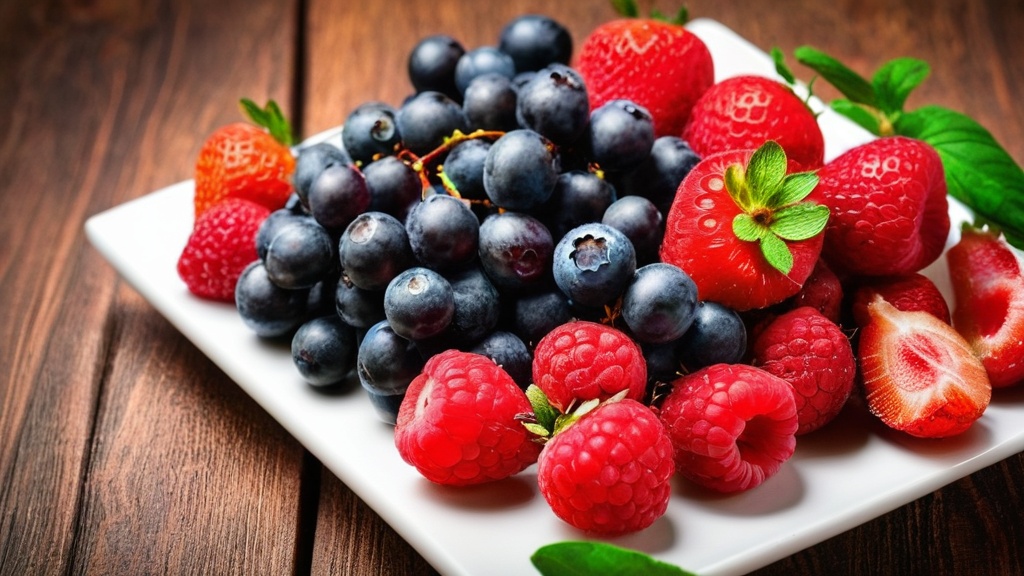
Berries are packed with various polyphenols. Green tea and dark chocolate are also beneficial.
Antioxidants may improve athletic performance. They can reduce muscle fatigue. This allows athletes to train longer.
Antioxidants help minimize exercise-induced muscle damage. This can lead to less delayed onset muscle soreness (DOMS). You feel less achy after a tough workout.
By reducing damage, antioxidants aid repair. This allows muscles to recover quicker. You can get back to training sooner.
Some studies suggest antioxidants boost endurance. They may improve oxygen utilization. This helps muscles work more efficiently.
| Antioxidants Recovery Athletes Metrics | Value |
|---|---|
| Total Antioxidants Intake | 500 mg/day |
| Antioxidants Supplements | Yes |
| Recovery Time | 24-48 hours |
| Antioxidants-rich Foods | Berries, Nuts, Green Tea |
Eating a balanced diet is key. Focus on whole, unprocessed foods. This ensures you get a wide range of antioxidants.
Aim for a variety of colorful fruits and vegetables. Each color often signifies different beneficial compounds. Think red peppers, blue berries, and green spinach.
Add nuts and seeds to your snacks. Include fatty fish in your meals a few times a week. Enjoy a square of dark chocolate occasionally.
Staying hydrated is crucial for recovery. It also helps transport nutrients. Some beverages like green tea offer antioxidants.
Antioxidant supplements exist. However, food sources are generally preferred. Consult a healthcare professional before starting supplements. They can advise on appropriate use.
Numerous studies support antioxidant benefits. Research highlights their role in athletic recovery. Organizations like the American College of Sports Medicine publish findings.
Research has examined Vitamin C and E. They found these vitamins reduce muscle damage markers. This effect is seen after strenuous exercise.
Studies on polyphenols are growing. They show promise in reducing inflammation. This aids post-exercise recovery.
Many researchers emphasize whole foods. They offer a synergistic effect. Different compounds work together for better results.
Here are simple ways to boost your antioxidant intake. These tips are safe and effective. They focus on nutrition.
Make fruits and vegetables your priority. Include a variety in every meal. Aim for at least five servings daily.
Choose nuts, seeds, or berries for snacks. This provides a nutrient boost. It keeps you fueled between meals.
Drink water regularly. Green tea can be a good alternative. It offers beneficial antioxidants.
Pay attention to how your body feels. Recovery is personal. Adjust your nutrition as needed.
For personalized advice, speak with a registered dietitian. They can tailor a plan for you. This ensures you meet your needs.
Reputable Sources:
Antioxidants are compounds that help neutralize harmful molecules called free radicals in the body. Free radicals can cause oxidative stress and damage to cells, which has been linked to various diseases and aging. Antioxidants work by donating electrons to free radicals, thus stabilizing them and preventing further damage.
Athletes experience increased oxidative stress and inflammation during intense exercise, which can lead to muscle fatigue and delayed recovery. Antioxidants help reduce oxidative stress and inflammation, allowing for faster recovery and improved performance. They also support the immune system, which can be compromised during intense training.
Some common sources of antioxidants for athletes include fruits and vegetables such as berries, citrus fruits, spinach, and kale. Other sources include nuts, seeds, green tea, and dark chocolate. Supplements such as vitamin C, vitamin E, and coenzyme Q10 are also popular choices for athletes looking to boost their antioxidant intake.
While antioxidants offer numerous benefits, excessive intake of certain antioxidants through supplements may have negative effects. For example, high doses of vitamin E and beta-carotene have been associated with increased mortality risk. It’s important for athletes to focus on obtaining antioxidants from a balanced diet rather than relying solely on supplements.
Athletes can incorporate antioxidants into their recovery routine by consuming a variety of fruits, vegetables, nuts, and seeds as part of their regular meals and snacks. They can also consider adding antioxidant-rich foods to their post-workout smoothies or shakes. Additionally, consulting with a registered dietitian or sports nutritionist can help athletes develop a personalized nutrition plan that includes adequate antioxidant intake.