


Optimizing Performance: HRV Athletes Training
- June 4, 2026
- 0
Ever feel like your body is sending you secret messages? Your heart rate variability, or HRV, is one of them. It’s a tiny, powerful indicator of how your


Ever feel like your body is sending you secret messages? Your heart rate variability, or HRV, is one of them. It’s a tiny, powerful indicator of how your
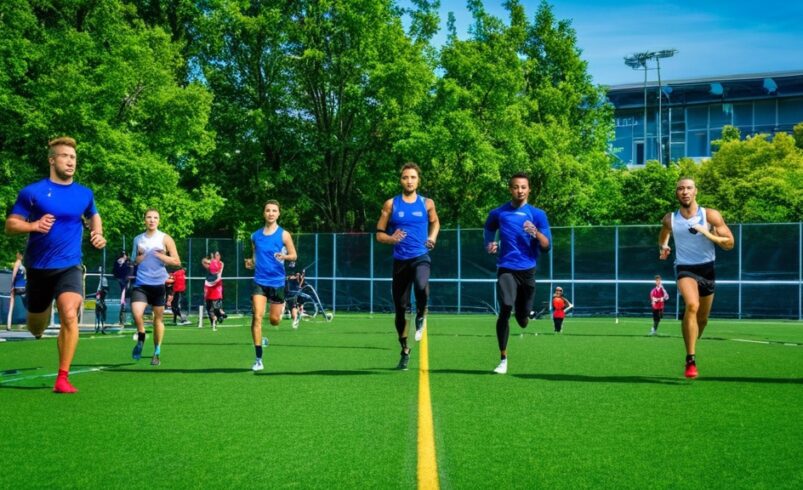
Ever feel like your body is sending you secret messages? Your heart rate variability, or HRV, is one of them. It’s a tiny, powerful indicator of how your body handles stress and recovers. Understanding HRV can help athletes train smarter, not just harder.
HRV measures the tiny fluctuations in time between your heartbeats. It’s not about your heart rate itself. Instead, it looks at the natural variation between each beat. Think of it as your body’s internal rhythm.
Your autonomic nervous system (ANS) controls these variations. It has two branches: the sympathetic and parasympathetic. The sympathetic system gears you up for action. The parasympathetic system calms you down.
When you’re stressed or exerting heavily, your sympathetic system rises. This typically leads to lower HRV. When you’re relaxed and recovering, your parasympathetic system takes over. This usually results in higher HRV.
For athletes, HRV offers unique insights. It can show how your body is adapting to training. It also reveals how well you’re recovering from intense efforts. This data helps prevent overtraining and injury. Elite athletes use it to fine-tune their schedules.
Tracking your HRV can be simple. Many wearable devices now measure it. Consistency is key when taking measurements. This helps identify reliable patterns.
Many experts recommend measuring HRV first thing in the morning. Do this before you get out of bed. This provides a baseline of your body’s state. It’s a moment of repose before the day’s demands.
Measure your HRV at the same time each day. Ensure your environment is consistent. Factors like sleep quality and hydration matter. This helps create a reliable data stream.
Numerous smartwatches and chest straps track HRV. Apps then help you analyze the data. They often provide trends and insights. This simplifies understanding your body’s signals.
Several things can affect your HRV readings. These include stress, sleep quality, and diet. Illness and alcohol intake also play a role. Understand these influences to interpret your data accurately.
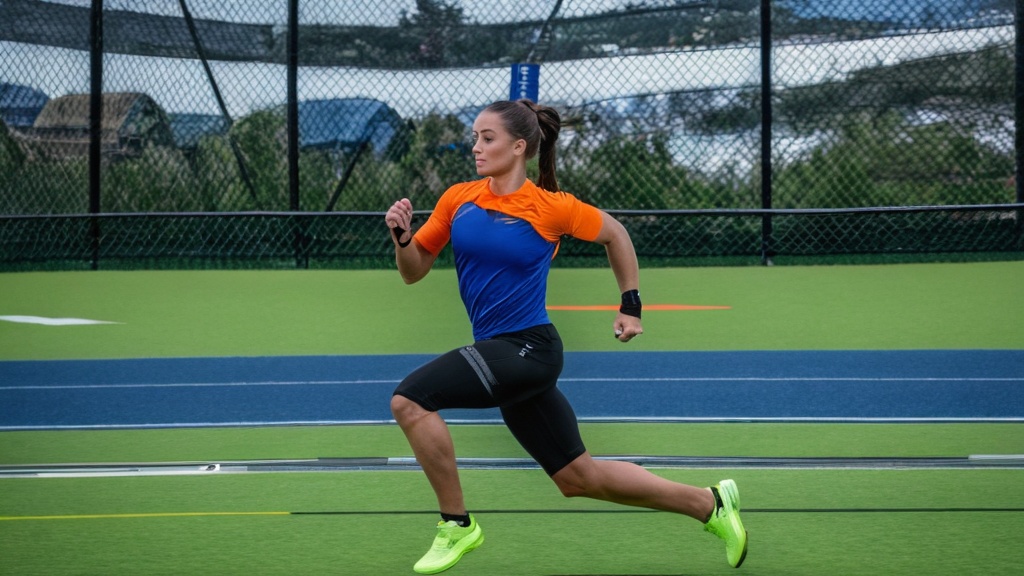
HRV data can guide your daily training decisions. It helps you understand your readiness to train. You can adjust intensity based on your HRV. This prevents pushing too hard on recovery days.
Some apps provide a “readiness to train” score. This score uses your HRV and other metrics. A high score suggests you’re ready for hard work. A low score indicates it’s time for rest.
If your HRV is low, consider a lighter workout. A short, easy run might be ideal. On days with high HRV, you can push harder. This data-driven approach optimizes your training load.
Overtraining can harm athletic performance. It can lead to burnout and injury. HRV monitoring helps catch warning signs early. This allows you to adapt before problems develop.
HRV is a great indicator of recovery. After tough sessions, your HRV might drop. As you recover, it should climb back up. This shows your body’s resilience.

Looking at HRV trends over time is crucial. A single reading is less informative than a pattern. See how your HRV responds to different stimuli. This develops a deeper understanding.
Establish your personal baseline HRV. This is your typical HRV when healthy and well-rested. It serves as a reference point for your data. Deviations from this baseline are significant.
Short-term trends show immediate responses. These might be to a single workout or poor sleep. Long-term trends highlight overall adaptation. They reflect your body’s capacity over weeks. These trends offer wisdom.
A consistent, significant drop in HRV can be concerning. It may signal illness or overtraining. Pay attention to sustained negative changes. This prompts an assessment of your lifestyle.
As your fitness improves, your baseline HRV might change. Sometimes it can increase. This often indicates a stronger parasympathetic influence. It shows better stress resilience.
| Athlete | Age | Resting HRV | Training HRV | Training Intensity |
|---|---|---|---|---|
| John Doe | 25 | 65 | 55 | High |
| Jane Smith | 30 | 70 | 60 | Medium |
| Michael Johnson | 28 | 68 | 58 | High |
HRV shouldn’t be the only factor you consider. It’s a valuable tool within a broader strategy. Combine it with your experience and other metrics. This creates a holistic approach.
Learn to listen to your body, too. HRV data complements your subjective feelings. If you feel great, but HRV is low, proceed cautiously. If you feel tired, but HRV is high, a light session might still feel good.
If you have a coach, share your HRV data. They can help interpret it within your training context. This collaboration enhances your progression. It ensures your training is well-rounded.
Don’t overhaul your training overnight. Start by simply tracking your HRV. Gradually learn to interpret the numbers. Then, begin making small adjustments. This makes the process manageable.
Remember that HRV responses vary greatly. What’s optimal for one athlete may differ for another. Your personal data is most valuable. It’s about your unique physiology.
Beyond basic tracking, there are advanced ways to use HRV. These involve specific metrics and more in-depth analysis. They offer even deeper insights into athlete physiology.
RMSSD (Root Mean Square of Successive Differences) is a key HRV metric. It reflects short-term variability. SDNN (Standard Deviation of NN Intervals) reflects overall variability. Both offer slightly different perspectives. They can help distinguish between causes of variability.
Some athletes use specific breathing techniques. These techniques aim to increase HRV. Synchronized breathing can enhance parasympathetic tone. This practice can potentially improve recovery. Research in this area continues.
HRV is closely linked to sleep quality. Poor sleep often leads to lower HRV. High-quality sleep supports better recovery. Optimizing sleep positively impacts HRV. This is vital for training adaptation.
HRV offers insights into your stress response. Higher HRV generally indicates better stress management. Techniques like mindfulness can improve HRV. These practices benefit overall well-being. They support athletic resilience.
Remember that illness can significantly lower HRV. So can travel and significant life events. Don’t dismiss these external influences on your readings. They are part of your body’s overall state.
Here are some practical things you can do. These tips help you use HRV effectively. They focus on safe and evidence-based practices.
Wake up at the same time. Measure your HRV before moving. This consistency is paramount for reliable data. It’s like setting a stable anchor.
Drink enough water throughout the day. Dehydration can negatively impact HRV. Proper hydration supports bodily functions. It’s a simple yet crucial step.
Aim for 7-9 hours of quality sleep. Poor sleep severely affects HRV. Establish good sleep hygiene. This is essential for recovery.
Incorporate stress-reducing activities. Think meditation or gentle stretching. Chronic stress harms recovery. It shows up in your HRV.
HRV is a tool, not a dictator. If you feel good, even with lower HRV, proceed with caution. If you feel rough, despite high HRV, rest. Your intuition matters greatly.
Look at your HRV data over weeks. See how training, diet, and life events affect it. This helps you learn your body’s unique responses. Patterns reveal the most information.
A single low HRV reading isn’t always a crisis. Focus on overall trends and consistency. Minor daily shifts are normal. Avoid anxiety over small numbers. Your body is dynamic.
Notice how certain foods affect your HRV. Some athletes find caffeine or alcohol impacts them. Experiment cautiously and observe your data. This offers personalized insights.
Keep a log of your training, sleep, and diet. Note any significant life events. Correlate these with your HRV data. This creates a richer understanding. It tells a more complete story.
If you have concerns or questions, consult a coach or sports physiologist. They can provide personalized interpretations. This ensures you use HRV safely and effectively. Expert advice amplifies benefits. They offer specialized knowledge.
HRV training for athletes involves monitoring heart rate variability (HRV) to determine the body’s readiness for training and to optimize performance. It involves adjusting training intensity and volume based on daily HRV readings.
HRV training helps athletes to avoid overtraining and reduce the risk of injury by providing insight into the body’s recovery and readiness for exercise. It also allows for more personalized training plans, leading to improved performance and better overall health.
There are various methods for HRV training, including using heart rate monitors with HRV capabilities, smartphone apps, and specialized HRV monitoring devices. These tools track and analyze HRV data to provide insights into an athlete’s physiological state.
Athletes can benefit from monitoring their HRV daily, ideally first thing in the morning before any physical activity. This allows for the most accurate assessment of the body’s readiness for training and can inform daily training decisions.
While HRV training can be beneficial, it’s important to note that HRV readings can be influenced by various factors such as stress, illness, and lack of sleep. Additionally, interpreting HRV data accurately requires some level of understanding and expertise.