Imagine shaving seconds off your personal best. Imagine bouncing back faster from tough workouts. Wearable technology is making this a reality for athletes. It’s changing how we approach recovery. Let’s explore this exciting frontier.
Athletes have always sought an edge. Nutrition, sleep, and technique were key. Now, data adds another layer. Wearable devices track our bodies. They offer insights like never before. This technology revolutionizes how athletes recover.
Beyond Basic Steps
Early wearables tracked steps. Now, they do so much more. Heart rate, sleep patterns, and body temperature are common metrics. Some devices even measure stress levels. This detailed data paints a clearer picture. It helps athletes understand their bodies’ needs.
Understanding Recovery Metrics
Recovery is not a single event. It’s a complex process. It involves restoring energy and repairing tissues. Understanding key metrics is vital. These numbers tell a story about our body’s readiness. They guide our training and rest decisions.
Key Wearable Technologies for Track Athletes
Several types of wearables offer valuable recovery insights. Each focuses on different aspects of an athlete’s well-being. Knowing their strengths helps choose the right tools.
Heart Rate Monitoring
Your heart rate reveals much. Resting heart rate indicates fitness. Heart rate variability (HRV) shows stress and recovery. A lower resting heart rate suggests better conditioning. Fluctuations in HRV warn of overtraining. Athletes use this to adjust intensity. A runner might see a higher resting heart rate. This signals a need for lighter training that day.
Sleep Tracking: The Foundation of Recovery
Sleep is paramount for repair and growth. Wearables analyze sleep stages. They track duration and quality. Poor sleep hinders muscle rebuilding. It also impacts cognitive function. Athletes use this data to optimize bedtime routines. They aim for consistent, restorative sleep. A triathlete notices fragmented sleep. This might correlate with their challenging taper week.
Activity Trackers and GPS
Beyond steps, these devices track distance and pace. They create detailed workout maps. This allows analysis of effort. Athletes can identify exertion patterns. They see how different efforts affect their body. A sprinter might analyze stride length and cadence. This data informs their recovery needs post-sprint drills.
Biometric Sensors: Deeper Insights
Advanced wearables offer more sophisticated tracking. Blood oxygen saturation (SpO2) is one. Skin temperature is another. These metrics can indicate physiological stress. They may also signal potential illness. Athletes monitor these for early warning signs. A marathoner might notice a drop in SpO2. This could prompt a review of their altitude training.
Recovery-Specific Wearables
Some devices focus solely on recovery. They might use biofeedback. Others employ electrical muscle stimulation. Compression devices aid blood flow. These tools actively support the recovery process. A decathlete uses a compression boot. It helps reduce leg fatigue after a strenuous session.
Interpreting Your Data for Optimal Recovery
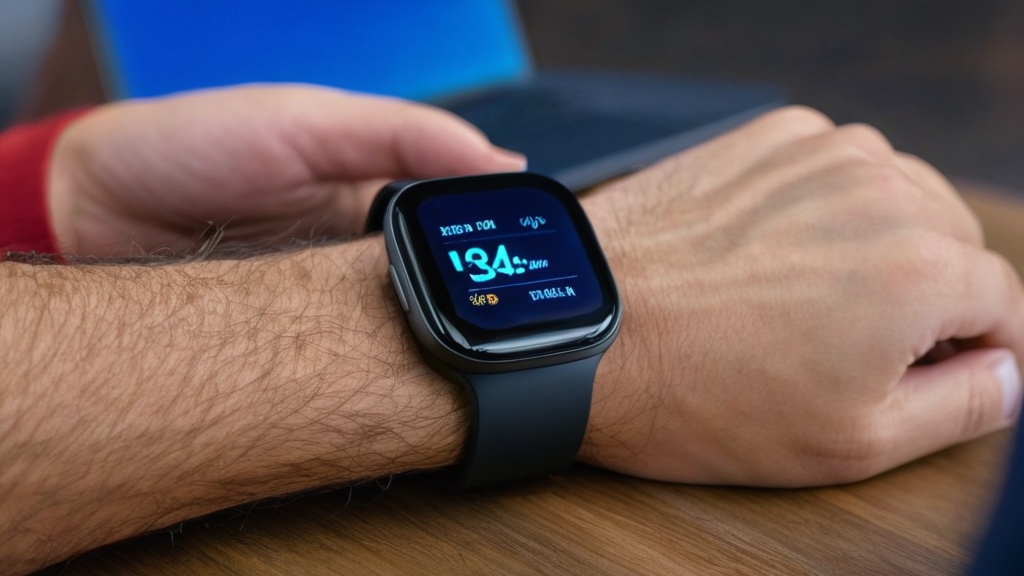
Collecting data is only half the battle. Understanding what it means is crucial. Athletes must learn to interpret trends. They connect data points to their training. This transforms raw numbers into actionable recovery strategies.
Establishing Baselines
Every athlete is unique. There is no one-size-fits-all recovery plan. Baselines are personal benchmarks. Track your metrics during normal training. This establishes your “normal” range. Deviations then become more meaningful. Your usual resting heart rate might be 50 bpm. Seeing 60 bpm could be a recovery flag.
Recognizing Overtraining Signals
Overtraining harms performance and health. Wearable data helps spot its early signs. Consistently elevated resting heart rate is key. Declining HRV is another indicator. Persistent fatigue without adequate rest is a warning. Athletes use this to dial back intensity. A long jumper might see their HRV drop significantly. They might opt for a rest day.
Personalizing Training Load
Data allows for precise training adjustments. Instead of guessing, athletes know. They can manage intensity and volume. This prevents burnout and injuries. It ensures they are optimally prepared. A middle-distance runner might see low HRV. They might reduce their interval session intensity.
The Role of AI and Machine Learning
Artificial intelligence is enhancing wearables. Algorithms analyze complex data sets. They can predict recovery needs. AI can offer personalized recommendations. This makes recovery smarter and more precise. Some apps show you a “readiness score.” This score suggests your body’s capacity for hard training.
Actionable Recovery Strategies Backed by Data
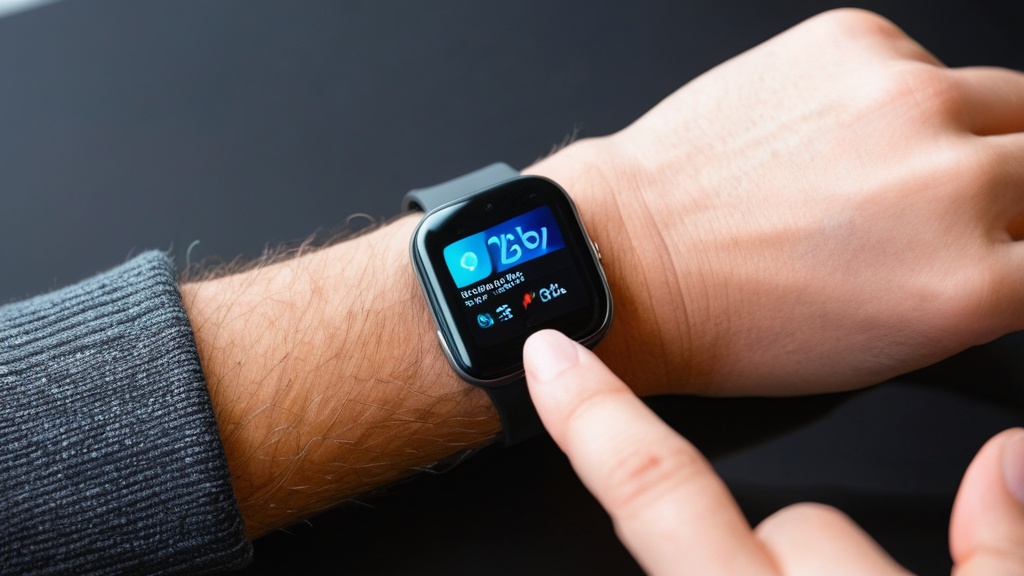
The insights from wearables translate into practical steps. These aim to enhance recovery efficiency. They focus on proven methods. Always use these as general guidance. Consult a healthcare professional for personal advice.
Optimizing Sleep Hygiene
Wearables highlight sleep quality. Athletes can then improve their sleep environment. They might establish a consistent sleep schedule. This includes winding down before bed. Reducing screen time before sleep is beneficial. Creating a dark, quiet room aids deep sleep. A swimmer might find they sleep better. This is after they removed electronics from their bedroom.
Smart Nutrition and Hydration Timing
Recovery needs fuel and fluids. Wearables can indirectly inform this. If training load is high, replenish adequately. If HRV is low, focus on nutrient-dense foods. Hydration is critical for all bodily functions. Athletes use data to understand energy expenditure. This guides their post-exercise nutrition choices. A cyclist might fuel more intensely. This is after a particularly grueling climb.
Active Recovery Protocols
Active recovery involves light movement. It promotes blood flow. It can reduce muscle soreness. Wearables can guide the intensity. Athletes use low heart rate zones. This ensures they are aiding recovery, not adding stress. A wrestler might do a gentle yoga session. They use their heart rate monitor during it.
Stress Management Techniques
High stress impairs recovery. Wearables can track stress indicators. This prompts athletes to incorporate relaxation. Techniques like meditation are beneficial. Deep breathing exercises also help. Athletes learn to recognize their stress triggers. They then actively manage them. A gymnast might use HRV. They use it to decide if a meditation session is needed.
Listen to Your Body, Then Trust the Data
Wearable data is a powerful guide. It is not a replacement for intuition. Athletes must combine objective data with subjective feelings. If the data says you are ready. But you still feel exhausted, rest. If the data suggests recovery is needed. But you feel vibrant, carefully consider. This synergy is key to peak performance.
The Future of Track Recovery: Beyond Today’s Tech
| Wearable Tech |
Track Recovery |
Metrics |
| Fitbit |
Yes |
Heart rate, sleep, activity |
| Apple Watch |
Yes |
Heart rate, ECG, activity |
| Garmin |
Yes |
Heart rate, stress, sleep |
The evolution of wearable technology continues. Innovations promise even deeper insights. The future holds exciting possibilities for athletes. Recovery will become more proactive and personalized.
Advanced Biomarker Tracking
Future wearables may track more complex biomarkers. Sweat analysis could provide real-time nutrient levels. Non-invasive glucose monitoring may become commonplace. This offers granular control over fueling. Athletes will have unprecedented control.
AI-Powered Predictive Analytics
AI will become even more sophisticated. It will predict injury risks with greater accuracy. It will suggest optimal recovery periods. Individualized training plans will be dynamic. They will adapt in real-time to the athlete’s state.
Integration with Smart Environments
Wearables will integrate with other smart devices. Your workout space could adjust lighting. Your sleep environment could optimize temperature. This creates a holistic recovery ecosystem. Your smart home might lower lights automatically. It does this when your wearable detects sleep onset.
Ethical Considerations and Data Privacy
As technology advances, so do concerns. Data privacy is paramount. Athletes need control over their information. Secure platforms are essential. Ensuring ethical use of this sensitive data is vital. Transparency about data usage builds trust.
Making the Most of Your Wearable for Track Success
Embracing wearable technology can transform your performance. It provides the tools for smarter training. It empowers you to prioritize recovery effectively. Remember to use the data wisely.
Choose the Right Device for You
Not all wearables are equal. Select one that aligns with your goals. Consider the metrics it tracks. Look for user-friendly interfaces. Research reviews from other athletes. A sprinter might prioritize sprint-specific metrics. A distance runner may focus on endurance metrics.
Focus on Trends, Not Single Data Points
A single day’s data is a snapshot. Look for patterns over time. Consistencies reveal more than anomalies. This helps build a reliable recovery picture. One high heart rate reading might be an outlier. A week of elevated readings is significant.
Consult Professionals When Needed
Wearable data is informative, not diagnostic. Always consult coaches or medical professionals. They can help interpret complex data. They provide personalized advice. This ensures your recovery efforts are safe and effective. A sports physiotherapist can analyze your biomechanics. They can correlate this with wearable data.
Stay Informed and Adapt
The field of wearable technology is dynamic. New research emerges constantly. New devices and features appear regularly. Stay curious and open to learning. Be willing to adapt your approach. This continuous learning fuels ongoing improvement. The goal is always to run faster and recover stronger.
FAQs
What is track recovery wearable tech?
Track recovery wearable tech is a type of technology that is designed to monitor and track an individual’s recovery process after physical activity or injury. It can provide data on factors such as heart rate, sleep patterns, and activity levels to help users optimize their recovery.
How does track recovery wearable tech work?
Track recovery wearable tech typically uses sensors to collect data on various physiological parameters such as heart rate, body temperature, and movement. This data is then analyzed and presented to the user through a mobile app or other interface, allowing them to track their recovery progress and make informed decisions about their training or rehabilitation.
What are the benefits of using track recovery wearable tech?
Using track recovery wearable tech can provide users with valuable insights into their recovery process, allowing them to make adjustments to their training or rehabilitation program as needed. It can also help prevent overtraining and reduce the risk of injury by providing real-time feedback on the body’s response to physical activity.
Are there any limitations to track recovery wearable tech?
While track recovery wearable tech can provide valuable data, it is important to note that it is not a substitute for professional medical advice. Users should consult with a healthcare professional before making any significant changes to their training or rehabilitation program based on the data provided by the wearable tech.
What are some popular track recovery wearable tech options?
Some popular track recovery wearable tech options include devices such as fitness trackers, smartwatches, and specialized recovery-focused wearables that are designed to monitor and track various aspects of the recovery process. Examples of popular brands in this space include Garmin, Whoop, and Fitbit.
Post Views: 460