


Recovery Day Mobility: Essential Exercises
- April 1, 2026
- 0
Feeling stiff after a tough workout? Recovery is key. Movement helps your muscles bounce back. It prepares you for your next challenge. Your body needs rest. But rest


Feeling stiff after a tough workout? Recovery is key. Movement helps your muscles bounce back. It prepares you for your next challenge. Your body needs rest. But rest
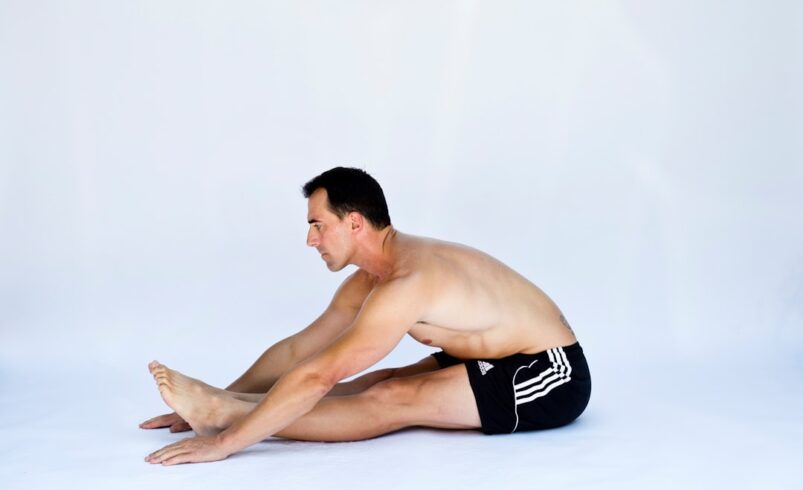
Feeling stiff after a tough workout? Recovery is key. Movement helps your muscles bounce back. It prepares you for your next challenge.
Your body needs rest. But rest doesn’t mean being completely still. Active recovery is important. It aids muscle repair. It also prevents stiffness. Think of it like oiling a squeaky hinge. It keeps things running smoothly. Regular movement on rest days unlocks your body’s potential. It helps you perform better.
After intense exercise, muscles can feel tight. They also experience tiny tears. Gentle movement helps these muscles recover. It increases blood flow to the area. This delivers nutrients. It also removes waste products. This process speeds up healing. It makes you feel less sore afterward.
Static stretching might not be ideal immediately after activity. However, mobility work on rest days is different. It focuses on range of motion. It improves joint lubrication. This reduces wear and tear on your joints. Healthy joints are crucial for long-term fitness. They allow you to move freely and painlessly.
Stiff muscles can lead to imbalances. These imbalances increase injury risk. Mobility exercises address these imbalances. They strengthen supporting muscles. They improve coordination. This makes your body more resilient. You can push harder when your body is ready.
Mobility exercises are essential for recovery days, as they help improve flexibility, reduce muscle soreness, and enhance overall movement quality. For a deeper understanding of how these exercises can benefit your recovery routine, check out this informative article on the importance of mobility work. It provides valuable insights and practical tips to incorporate mobility exercises effectively into your regimen. You can read more about it here: Mobility Exercises for Recovery Days.
You don’t need a gym for effective recovery. Simple movements can make a big difference. These routines focus on ease and flow. They are designed to wake up your body gently. Think about starting your day with a stretch. This article explores simple routines.
Waking up can feel stiff. A short morning routine helps. It prepares you for the day ahead. These movements are not strenuous. They focus on easing into motion. You can do them in your bedroom. No special equipment is needed.
Example Scenario: Imagine waking up feeling groggy. You reach for your phone. Instead, try a gentle stretch. Roll your shoulders back a few times. Then, gently twist your torso. Suddenly, you feel a bit more awake. This simple act sets a positive tone.
After a long day, your body might ache. A gentle evening routine helps. It can release built-up tension. It also promotes relaxation. This preparation aids better sleep. Better sleep is crucial for recovery. It allows your body to repair itself more effectively.
Sometimes you just need to move. Standing exercises are convenient. You can do them anywhere. They don’t require lying down. This is great for quick breaks. You can even do them at your desk. It breaks up prolonged sitting.
Nourish Move Love offers a 10-minute standing routine. It targets hips, spine, and shoulders. Exercises like the “Good Morning” and “Calf Raise” are included. These movements are simple and effective. They are perfect for a quick reset.

These exercises focus on improving your range of motion. They target key areas that often get tight. You can incorporate them into your rest days. Consistency is more important than intensity.
Your spine is the center of your movement. Keeping it mobile is vital. Stiff spines can cause pain. They can also limit your exercise potential. Gentle spinal movements are very beneficial.
Get on your hands and knees. Place your hands directly under your shoulders. Keep your knees under your hips. Inhale as you drop your belly. Arch your back and look up (Cow pose). Exhale as you round your spine. Tuck your chin to your chest (Cat pose). Repeat this flow smoothly.
Start on your hands and knees again. Place your left hand on the floor. Extend your right arm towards the ceiling. Rotate your torso. Follow your hand with your eyes if comfortable. Return to the starting position. Repeat on the other side. This helps mobilize your upper back.
Hips often store a lot of tension. Tight hips affect walking and running. They also impact your lower back. Improving hip mobility is a game-changer. It can alleviate pain. It also improves posture.
Stand with your feet slightly wider than hip-width. Point your toes slightly outward. Lower your hips as if sitting in a chair. Go as low as you comfortably can. Keep your chest up. Hold this position for a few breaths. You can use a wall for balance if needed.
Start on your hands and knees. Bring your right knee forward. Place it behind your right wrist. Extend your left leg straight back. Rest your hips on the floor. You can place a cushion under your hip. Lean forward gently to increase the stretch. Hold for 30 seconds. Repeat on the other leg.
Your shoulders and wrists are used constantly. They can become stiff from computer work. They also get taxed during exercise. Keeping them mobile helps prevent issues. It improves daily function.
Stand or sit comfortably. Extend your arms out to the sides. Make small circles forward. Gradually make the circles larger. Then, reverse the direction. Perform circles backward. Focus on controlled movement.
Extend one arm in front of you. Palm facing down. Gently pull your fingers back with your other hand. Hold for a few seconds. Then, point your fingers down. Gently pull the back of your hand. Hold again. Repeat on the other wrist.

Making mobility a habit is important. It doesn’t need to take a lot of time. Small, consistent efforts yield big results. Think about when you can add it in.
After a hard workout, your muscles are fatigued. Gentle stretching can help. Freeletics includes post-workout mixes. These include stretches and foam rolling techniques. This helps start the recovery process immediately. It aids muscle repair and reduces soreness.
Rest days are perfect for deeper mobility work. You have more time and energy. Focus on areas that feel tight. A 20-minute flow can be very beneficial. These flows are often gentle and rhythmic. They aim to improve flexibility.
YouTube offers many excellent rest day routines. Look for videos emphasizing shoulders, hips, and spine. They often use positions like quadruped or kneeling. No equipment is usually needed for these sessions.
It’s important to distinguish between these. Pre-workout warm-ups prepare muscles for activity. They are dynamic and brief. Rest day mobility involves slower, more controlled movements. It focuses on improving range of motion over time. It’s about recovery, not immediate performance.
Incorporating mobility exercises into your recovery days can significantly enhance your overall performance and prevent injuries. These exercises help to improve flexibility, increase range of motion, and promote blood flow to the muscles. For a deeper understanding of how to effectively integrate mobility work into your routine, you might find this article on recovery strategies particularly insightful. It offers a variety of techniques and tips that can complement your mobility exercises. You can read more about it here.
| Exercise | Description | Benefits |
|---|---|---|
| Foam Rolling | Using a foam roller to massage and release tension in muscles | Improves flexibility and reduces muscle soreness |
| Static Stretching | Holding a stretch position for a period of time | Increases flexibility and range of motion |
| Yoga | A series of poses and breathing exercises | Improves balance, flexibility, and relaxation |
| Light Cardio | Gentle activities like walking or cycling | Increases blood flow and aids in recovery |
There are many great resources available. You can find routines tailored to your needs. Many are accessible online.
As mentioned, standing routines are convenient. Nourish Move Love provides a good example. Their 10-minute routine covers key areas. It is accessible for most fitness levels. It’s a great way to break up sitting. It can also serve as a light post-workout cool-down.
Yoga is excellent for improving flexibility. It also helps with muscle recovery. Athletes often benefit from yoga. Warrior Addict offers routines for this purpose. These sessions focus on tight muscle release. They improve overall suppleness.
For a comprehensive approach, look for full-body routines. YouTube has many 20-minute morning mobility videos. These routines often incorporate deep breathing. This adds a mindful element. They are designed for daily use. They aim to enhance your well-being.
Incorporating mobility exercises into your recovery days can significantly enhance your overall performance and well-being. These exercises help improve flexibility, reduce muscle soreness, and promote better movement patterns. For a deeper understanding of how supplements like creatine can complement your recovery routine, you might find this article on creatine particularly insightful. By combining mobility work with proper supplementation, you can optimize your recovery and prepare your body for the next training session.
Here are some practical ways to improve your mobility. These tips are safe and evidence-based. They can help you feel better and move better.
This is the golden rule. Your body will tell you what it needs. If something causes sharp pain, stop. Discomfort is different from pain. Mild discomfort might be okay. Sharp pain is a warning sign. Always prioritize safety.
Water is essential for all bodily functions. It keeps your joints lubricated. It also helps muscles work properly. Make sure you drink enough water throughout the day. Hydration supports your recovery efforts. It also aids overall health.
Little and often is better than infrequent marathon sessions. Aim for short mobility practices daily or on rest days. Even five minutes of movement is beneficial. Building a habit is key to long-term gains. Your body will thank you for the consistent care.
Deep breathing has many benefits. It can calm your nervous system. It also helps muscles relax. Try to incorporate mindful breathing into your mobility work. It enhances the recovery process. It also reduces stress.
If you have persistent pain or significant limitations, consult a professional. A physical therapist or qualified coach can help. They can assess your specific needs. They can provide personalized recommendations. This ensures your safety and effectiveness.
Mobility exercises are movements and stretches designed to improve flexibility, range of motion, and joint function. These exercises can help reduce muscle stiffness, improve posture, and prevent injury.
Mobility exercises on recovery days can help promote blood flow to the muscles, reduce muscle soreness, and improve overall flexibility. They can also help maintain joint health and prevent stiffness from prolonged periods of inactivity.
Examples of mobility exercises include foam rolling, dynamic stretching, yoga, Pilates, and mobility drills such as hip circles, shoulder rotations, and ankle circles. These exercises focus on moving the joints through their full range of motion.
It is recommended to incorporate mobility exercises into your routine on a regular basis, ideally on recovery days or as part of a warm-up or cool-down for workouts. Aim to perform mobility exercises at least 2-3 times per week to maintain flexibility and joint health.
It’s important to listen to your body and avoid pushing into pain during mobility exercises. If you have any existing injuries or medical conditions, it’s best to consult with a healthcare professional before starting a new mobility routine. Additionally, proper form and technique should be prioritized to prevent injury.