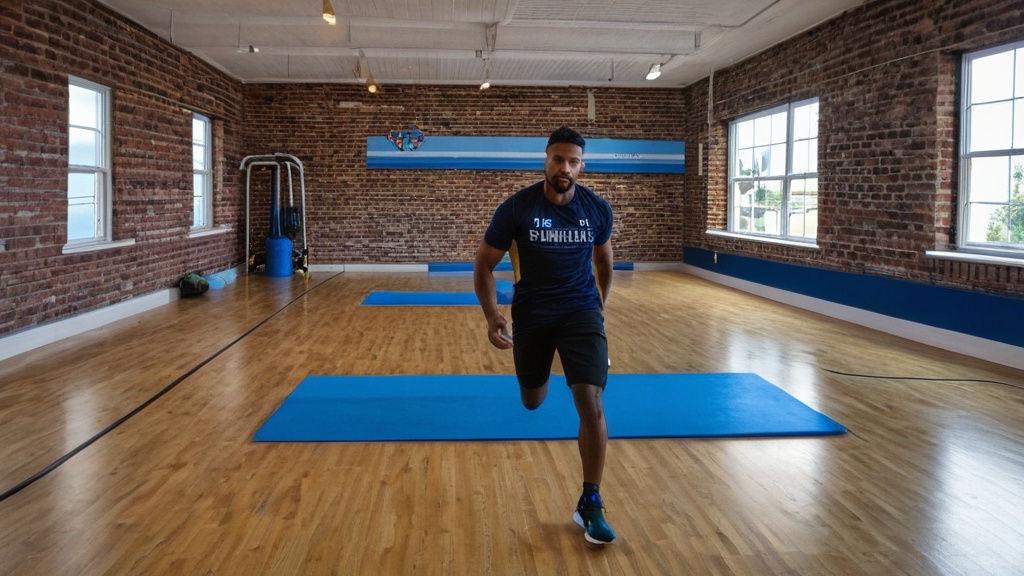


Accelerate Muscle Recovery with Red Light Therapy
- March 4, 2026
- 0
Imagine pushing your body to its limits during a workout. Now, imagine a way to bounce back faster, feeling less soreness, and ready for your next challenge sooner.


Imagine pushing your body to its limits during a workout. Now, imagine a way to bounce back faster, feeling less soreness, and ready for your next challenge sooner.
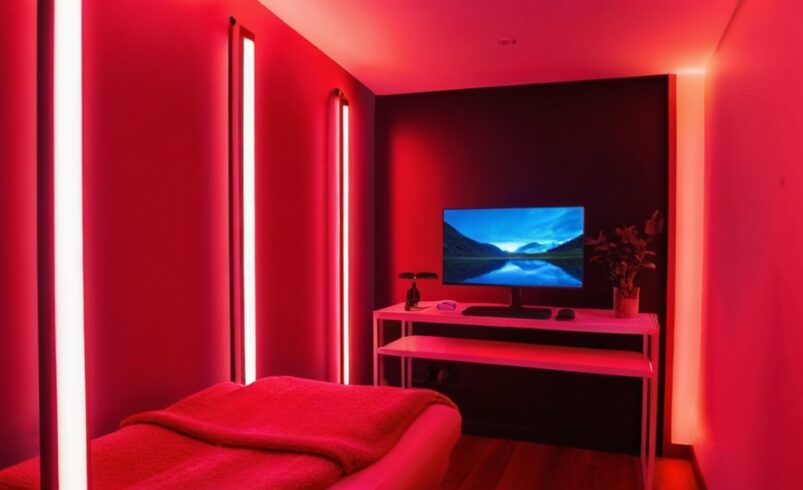
Imagine pushing your body to its limits during a workout. Now, imagine a way to bounce back faster, feeling less soreness, and ready for your next challenge sooner. That’s the promise many find in red light therapy for muscle recovery. It’s a non-invasive approach gaining traction, especially among athletes seeking an edge. This article explores how red light therapy works and its potential benefits for muscle healing.
Red light therapy, also known as photobiomodulation (PBM), uses specific wavelengths of light. These wavelengths typically fall within the red (600-700 nm) and near-infrared (700-900 nm) spectrums. This light interacts with your cells, promoting various biological processes.
Light energy from these devices penetrates the skin. Once inside, it reaches mitochondria, often called the “powerhouses” of your cells. This interaction triggers a cascade of effects within the cells. It’s like charging a battery; the light provides energy for cellular functions.
Near-infrared light penetrates deeper into tissues than red light. This allows it to reach muscles and joints more effectively. Such deep penetration is crucial for muscle recovery applications.
Red light therapy has gained popularity as an innovative approach for muscle recovery, harnessing specific wavelengths of light to enhance cellular function and reduce inflammation. For those interested in optimizing their athletic performance and understanding the role of nutrition in recovery, a related article can provide valuable insights. You can read more about the importance of macronutrients for peak athletic output in this informative piece: The Science of Fueling: Macronutrients for Peak Athletic Output.
Emerging evidence suggests red light therapy can positively influence muscle recovery. Athletes increasingly utilize this technology. They aim to reduce post-exercise discomfort and speed up their return to peak performance.
DOMS is that familiar muscle pain appearing a day or two after intense exercise. Studies indicate red light therapy may effectively reduce DOMS severity. This makes recovery more comfortable. Clinical trials have directly observed this benefit.
For instance, after a strenuous leg workout, applying red light therapy could mean less stiffness the next morning. This allows you to move more freely sooner.
Intense exercise can lead to inflammation and increased oxidative stress in muscles. Red light therapy has shown promise in reducing these markers. Lower inflammation aids faster healing. Reduced oxidative stress protects muscle cells from damage.
Think of inflammation as a temporary roadblock to recovery. Red light therapy helps clear that roadblock.
Beyond pain and inflammation, red light therapy may promote actual muscle repair. It supports the cellular processes involved in tissue regeneration. This helps damaged muscle fibers heal more efficiently. Improved circulation, another benefit, brings vital nutrients to the healing area.
This support for repair is like giving your body the right tools to rebuild.
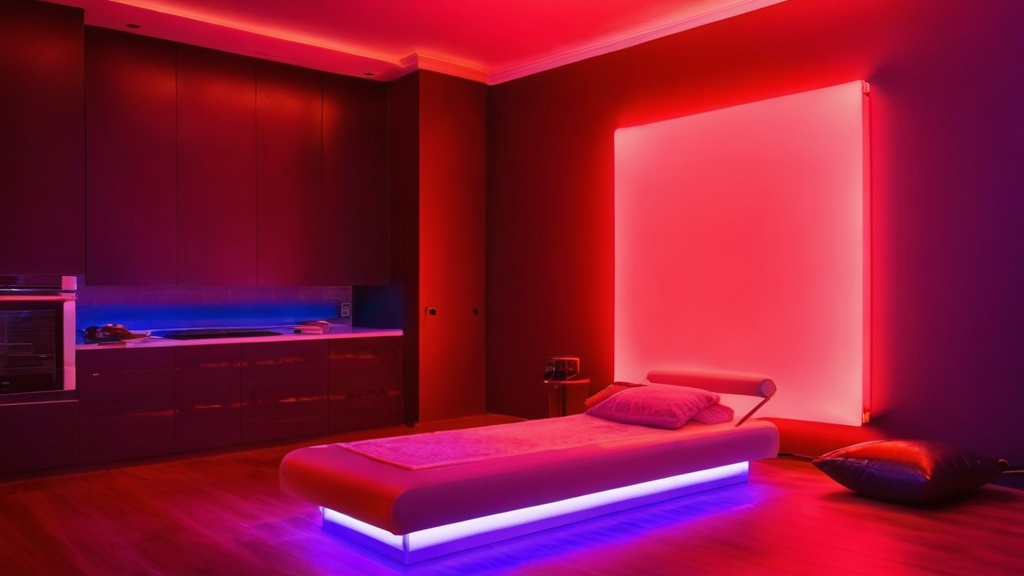
The magic of red light therapy for muscle recovery lies in its cellular effects. It doesn’t just mask symptoms; it helps your body’s natural healing processes. These mechanisms are the bedrock of its effectiveness.
A key mechanism involves boosted mitochondrial function. Red light therapy enhances the production of adenosine triphosphate (ATP). ATP is the primary energy currency of cells. More ATP means cells have more energy for repair and recovery.
This increased energy is particularly beneficial for elite athletes. Their bodies demand high energy for intense recovery.
Red light therapy can improve local blood circulation. Enhanced blood flow delivers more oxygen and nutrients to muscles. It also helps remove metabolic waste products. These factors are crucial for efficient muscle recovery.
Imagine a clear highway for nutrients and waste removal. Red light therapy helps create that highway.
The light also influences various cellular signaling pathways. These pathways regulate inflammation, cell growth, and tissue repair. By modulating these signals, red light therapy can optimize the healing environment within muscles. This contributes to better overall recovery.
It’s like fine-tuning your body’s internal communication system for faster healing.
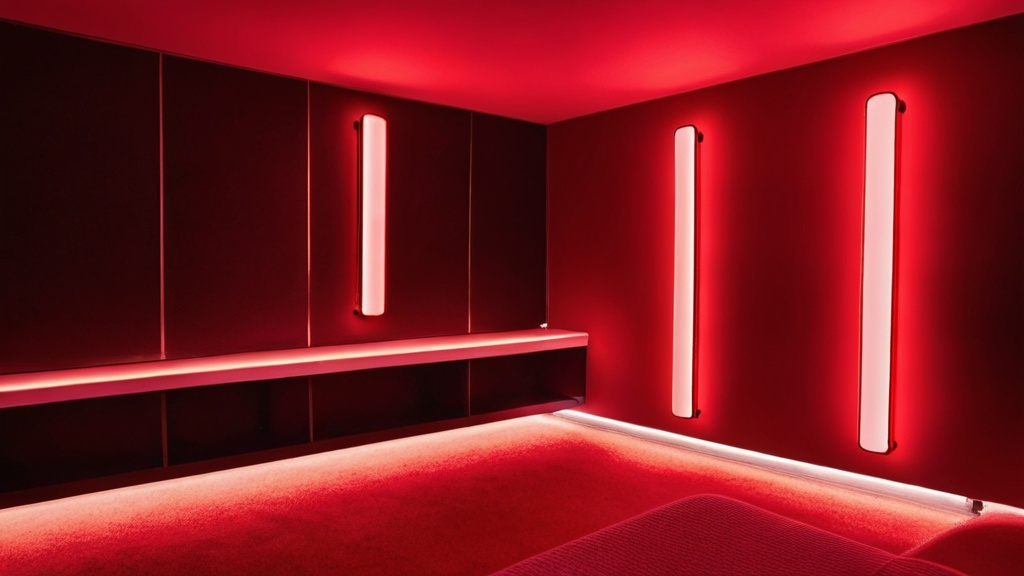
The scientific community has increasingly explored red light therapy for muscle recovery. While not a cure-all, the cumulative evidence points to promising benefits. It’s important to understand the extent of these findings.
Numerous studies support the use of red light therapy for muscle recovery. Clinical trials, including those classified as levels 1b-3b, have demonstrated its effects. These trials show reductions in DOMS, inflammation, and muscle damage markers. Improvements in range of motion and muscle force have also been observed.
These findings across biceps and lower limb muscles are compelling.
Research indicates specific wavelengths are most effective. Red light (600-700 nm) and near-infrared light (700-900 nm) are typically used. Near-infrared light’s deeper penetration is advantageous for muscle and joint applications. This specificity ensures the light reaches its intended target.
Using the right wavelength is like choosing the correct key for a lock.
While the benefits are real, they are often described as modest. Red light therapy is not a replacement for proper rest, nutrition, or training. It acts as an adjunct, enhancing recovery rather than solely providing it. It offers an additional layer of support for your body.
Think of it as a helpful teammate, not the entire team.
Recent studies have highlighted the benefits of red light therapy for muscle recovery, showing promising results in reducing inflammation and enhancing healing processes. For those interested in exploring this innovative approach further, a related article can provide valuable insights into its mechanisms and applications. You can read more about it in this informative piece on the National Posture Institute’s website, which discusses various recovery techniques and their effectiveness. Check it out here for a deeper understanding of how red light therapy can aid in muscle recovery.
| Metric | Value | Unit | Notes |
|---|---|---|---|
| Wavelength Range | 600-850 | nm | Optimal range for muscle recovery |
| Typical Session Duration | 10-20 | minutes | Per treatment session |
| Energy Density (Fluence) | 4-10 | J/cm² | Effective dose range for muscle recovery |
| Frequency of Use | 3-5 | times per week | Recommended for best results |
| Muscle Recovery Time Reduction | 20-40 | % | Reported decrease in recovery time |
| Increase in ATP Production | 30-50 | % | Boost in cellular energy aiding recovery |
| Reduction in Muscle Soreness | 25-35 | % | Measured by subjective pain scales |
| Typical Power Output | 50-200 | mW/cm² | Power density of red light devices |
Incorporating red light therapy into your routine is straightforward. It is generally considered safe when used correctly. Understanding proper application ensures you maximize its benefits while maintaining safety.
Red light therapy devices are readily available for home use. These range from handheld wands to larger panels. Devices often come with specific instructions on distance and duration. Following these guidelines is crucial for effectiveness and safety.
Always read your device’s instructions carefully before use.
Typical treatment sessions involve exposing the target area for several minutes. Consistency is often key to seeing results. Many users report improvements over an 8-12 week period with regular use. Adhering to manufacturer guidelines for frequency is important.
Imagine building a new habit; consistency yields the best returns.
Red light therapy is non-invasive and generally well-tolerated. Most people experience no adverse effects. However, it is always wise to consult a healthcare professional. This is especially true if you have underlying conditions or concerns. Eye protection is recommended if devices emit strong light directly at the eyes.
It’s always better to be safe and informed.
Red light therapy offers a promising, evidence-based approach to accelerate muscle recovery. It works by enhancing cellular energy production, reducing inflammation, and promoting tissue repair. While providing modest benefits, it complements other recovery strategies effectively. Elite athletes and everyday fitness enthusiasts alike can explore its potential. Remember, it’s a tool to support your body, not replace fundamental recovery principles. Embrace this innovative therapy as part of your holistic wellness journey.
[1] Leal-Junior, E. C. P., et al. (2015). Effect of phototherapy (low-level laser therapy and light-emitting diode therapy) on exercise performance and delayed onset muscle soreness: a systematic review and meta-analysis of randomized controlled trials. Lasers in Medical Science, 30(2), 925-939.
[2] Vanin, A. A., et al. (2016). What is the best photobiomodulation treatment for exercise-induced muscle fatigue and delayed onset muscle soreness? A systematic review. Journal of Photochemistry and Photobiology B: Biology, 161, 171-178.
[3] Hamblin, M. R. (2017). Mechanisms and applications of the anti-inflammatory effects of photobiomodulation. AIMS Biophysics, 4(3), 395-422.
[4] Fico, D., & Leal-Junior, E. C. P. (2020). Photobiomodulation (PBM) therapy for exercise-induced muscle fatigue and injury prevention: a focused review of clinical applications. Journal of Functional Morphology and Kinesiology, 5(2), 29.
[5] Pires, T. G., et al. (2020). Low-level laser therapy and light-emitting diode therapy improve the outcome of exercise-induced muscle damage. Lasers in Medical Science, 35(3), 735-748.
Red light therapy for muscle recovery involves using low-level wavelengths of red or near-infrared light to penetrate the skin and promote cellular repair, reduce inflammation, and enhance blood circulation, which can help speed up muscle healing and reduce soreness.
Red light therapy stimulates the mitochondria in cells to produce more energy (ATP), which supports faster tissue repair and reduces oxidative stress. This process can decrease muscle inflammation and pain, improving recovery time after exercise or injury.
Yes, red light therapy is generally considered safe when used according to manufacturer guidelines. It is non-invasive, painless, and has minimal side effects. However, it is important to avoid direct eye exposure and consult a healthcare professional if you have any underlying health conditions.
Frequency can vary depending on the device and individual needs, but typical recommendations suggest using red light therapy 3 to 5 times per week for 10 to 20 minutes per session to achieve optimal muscle recovery benefits.
Yes, red light therapy can be safely combined with other recovery techniques such as stretching, massage, hydration, and proper nutrition to enhance overall muscle healing and performance. It is often used as part of a comprehensive recovery plan.