
Understanding Glycemic Index: The Key to Managing Blood Sugar Levels
- January 5, 2026
- 0
The Glycemic Index (GI) measures how quickly foods raise blood sugar levels. It ranks carbohydrates on a scale from 0 to 100. Foods with a high GI cause


The Glycemic Index (GI) measures how quickly foods raise blood sugar levels. It ranks carbohydrates on a scale from 0 to 100. Foods with a high GI cause
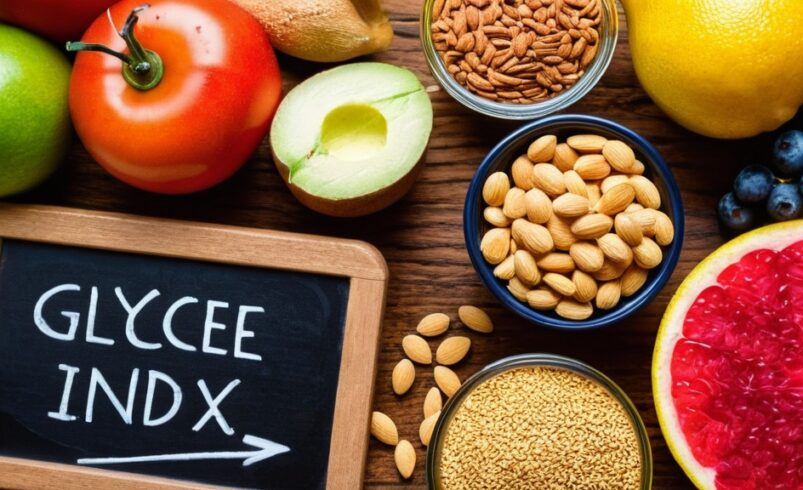
The Glycemic Index (GI) measures how quickly foods raise blood sugar levels. It ranks carbohydrates on a scale from 0 to 100. Foods with a high GI cause rapid spikes in blood sugar, while low GI foods lead to gradual increases. This concept helps people understand how different foods affect their energy levels and overall health.
Researchers developed the GI to assist individuals in making healthier food choices. It provides a framework for comparing the effects of various carbohydrate sources. Understanding GI can empower people to manage their diets more effectively. This knowledge is especially crucial for those with specific health concerns, such as diabetes.
When you consume carbohydrates, your body breaks them down into glucose. The speed at which this occurs varies based on the food’s GI. High GI foods release glucose quickly, leading to rapid blood sugar spikes. Conversely, low GI foods release glucose more slowly, promoting stable blood sugar levels.
Stable blood sugar levels are essential for maintaining energy and mood. Rapid fluctuations can lead to fatigue, irritability, and cravings. By choosing low GI foods, you can help prevent these issues. This choice supports better overall health and well-being.
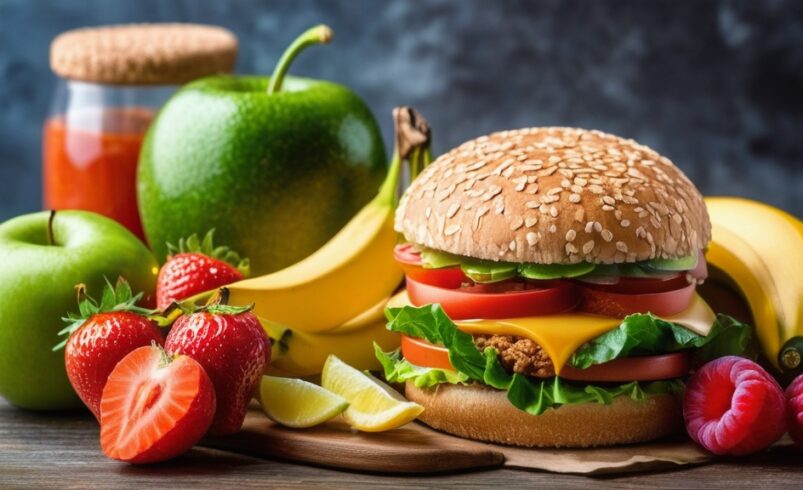
High glycemic index foods typically include white bread, sugary snacks, and certain cereals. These foods can cause quick energy bursts followed by crashes. Low glycemic index foods include whole grains, legumes, and most fruits and vegetables. These options provide sustained energy without the dramatic spikes.
Choosing between high and low GI foods can significantly impact your health. High GI foods may contribute to weight gain and increased risk of chronic diseases. In contrast, low GI foods support long-term health and weight management. Understanding these differences helps you make informed dietary choices.
Glycemic Load (GL) considers both the quality and quantity of carbohydrates in a food. It provides a more comprehensive view than GI alone. GL takes into account the serving size, making it a practical tool for meal planning. Foods with a high GL can still be healthy if consumed in moderation.
For example, watermelon has a high GI but a low GL due to its high water content. This means it won’t significantly impact blood sugar levels when eaten in reasonable amounts. Understanding GL helps you balance your meals effectively. It encourages mindful eating habits that promote better blood sugar management.
Opting for low glycemic index foods offers numerous health benefits. These foods help maintain stable blood sugar levels, reducing the risk of diabetes. They also promote satiety, which can aid in weight management. Additionally, low GI foods often contain more nutrients and fiber.
Incorporating low GI foods into your diet can enhance overall well-being. They support heart health by improving cholesterol levels and reducing inflammation. Furthermore, these foods can boost energy levels throughout the day. This leads to improved focus and productivity.
| Food Item | Glycemic Index (GI) | Category | Serving Size |
|---|---|---|---|
| White Bread | 75 | Grains | 1 slice (30g) |
| Brown Rice | 50 | Grains | 1 cup cooked (195g) |
| Apple | 38 | Fruit | 1 medium (182g) |
| Carrots (raw) | 16 | Vegetables | 1 medium (61g) |
| Watermelon | 72 | Fruit | 1 cup diced (152g) |
| Chickpeas | 28 | Legumes | 1 cup cooked (164g) |
| Sweet Potato | 44 | Vegetables | 1 medium (130g) |
| White Potato (boiled) | 78 | Vegetables | 1 medium (150g) |
| Milk (whole) | 31 | Dairy | 1 cup (244g) |
| Orange Juice | 50 | Beverages | 1 cup (248g) |
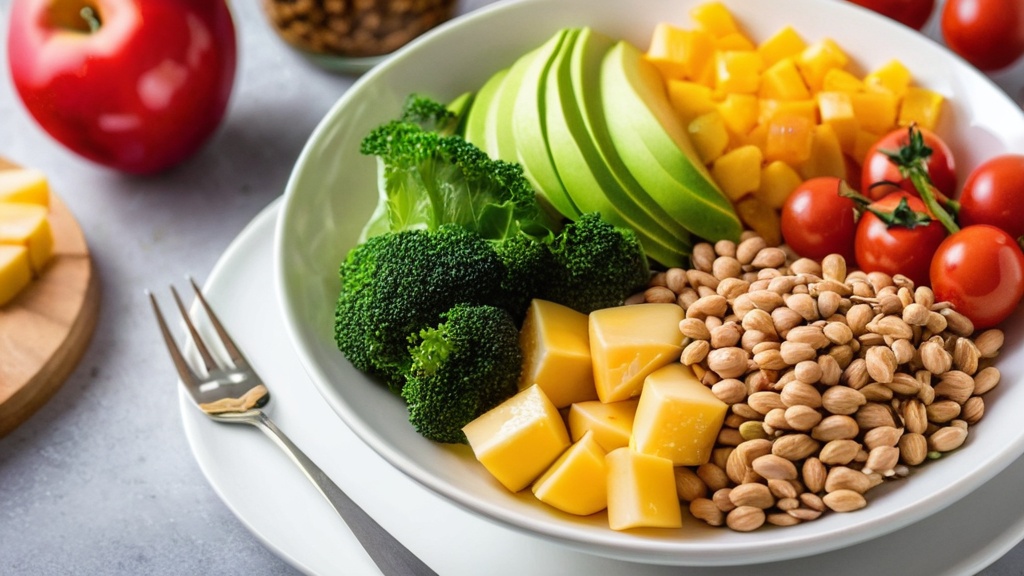
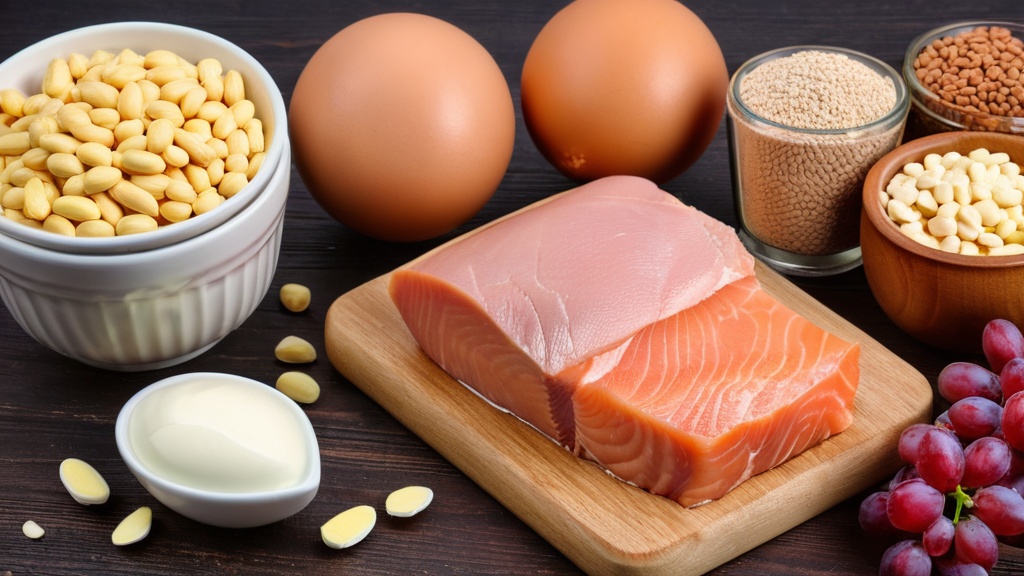
Creating balanced meals using the glycemic index involves combining different food types. Start with a low GI carbohydrate as your base, such as quinoa or brown rice. Add lean proteins like chicken or fish to enhance satiety. Include healthy fats from sources like avocados or nuts for added flavor and nutrition.
Incorporating plenty of vegetables into your meals is essential as well. They are generally low in calories and high in nutrients. Aim for a colorful plate to ensure a variety of vitamins and minerals. This approach not only supports blood sugar management but also promotes overall health.
Managing weight effectively often involves understanding the glycemic index of foods. High GI foods can lead to overeating due to rapid spikes and crashes in energy levels. Low GI foods help control hunger and reduce cravings, making it easier to maintain a healthy weight.
Research shows that diets rich in low GI foods can support weight loss efforts. These foods provide lasting energy without excessive calorie intake. By focusing on low GI options, you can create sustainable eating habits that promote long-term success. This strategy encourages a healthier relationship with food.
The glycemic index also plays a role in exercise performance and recovery. Consuming low GI foods before workouts can provide sustained energy without causing spikes in blood sugar. This helps maintain endurance during physical activity.
Post-exercise nutrition is equally important for recovery. Consuming a combination of low and moderate GI foods can replenish glycogen stores effectively. This balance supports muscle recovery and prepares the body for future workouts. Understanding the glycemic index can enhance your exercise routine.
For individuals with diabetes, managing blood sugar levels is crucial. The glycemic index serves as a valuable tool in this process. Low GI foods help stabilize blood sugar levels, reducing the risk of complications.
Incorporating low GI options into meals can improve overall diabetes management. These foods promote better insulin sensitivity and reduce the need for medication in some cases. Working with healthcare professionals can help tailor dietary choices based on individual needs.
Incorporating low glycemic index foods into your diet can be simple and enjoyable. Start by swapping out high GI staples for healthier alternatives. For example, choose whole grain bread instead of white bread or opt for brown rice over white rice.
Experiment with new recipes that highlight low GI ingredients. Incorporate legumes, nuts, seeds, and plenty of vegetables into your meals. Planning meals ahead of time can also help you make better choices throughout the week. Keep healthy snacks on hand to avoid reaching for high GI options when hunger strikes.
Research on the glycemic index continues to evolve, offering new insights into its health implications. Scientists are exploring how individual responses to different foods vary based on genetics and lifestyle factors. This research may lead to personalized dietary recommendations in the future.
As our understanding of the glycemic index deepens, it could play a significant role in public health initiatives. Educating communities about the benefits of low GI foods may help combat obesity and related diseases. The future looks promising as we continue to uncover the potential of the glycemic index in promoting better health outcomes for all.
The glycemic index (GI) is a ranking system that measures how quickly carbohydrate-containing foods raise blood glucose levels after consumption. Foods are scored on a scale from 0 to 100, with higher values indicating faster increases in blood sugar.
The glycemic index helps individuals understand how different foods affect blood sugar levels, which is particularly important for managing diabetes, weight control, and overall metabolic health.
GI values are determined by feeding a group of people a portion of food containing 50 grams of available carbohydrates and measuring their blood glucose response over two hours. The results are compared to a reference food, usually glucose or white bread.
Foods with a GI of 55 or less are considered low, 56 to 69 are medium, and 70 or above are high glycemic index foods.
No, the glycemic index measures the quality of carbohydrates but not the quantity. The glycemic load (GL) is a related measure that considers both the GI and the amount of carbohydrate in a serving.
Yes, factors such as cooking method, ripeness, processing, and food combinations can affect the glycemic index of a food.
While the GI can be helpful for people with diabetes or those managing blood sugar, it is one of many factors to consider in a balanced diet. Individual responses to foods can vary.
Not necessarily. Some low-GI foods may be high in calories, fats, or sugars. It is important to consider overall nutritional content, not just the GI.
Choosing low to medium GI foods can help maintain stable blood sugar levels. Combining carbohydrates with protein, fiber, and healthy fats can also moderate blood sugar responses.
Reliable GI values can be found in scientific literature, databases maintained by health organizations, and reputable nutrition websites. It is important to use updated and validated sources.