
Understanding Glycemic Index: A Key to Healthy Eating
- January 5, 2026
- 0
The Glycemic Index (GI) measures how quickly foods raise blood sugar levels. It ranks carbohydrates on a scale from 0 to 100. Foods with a high GI cause


The Glycemic Index (GI) measures how quickly foods raise blood sugar levels. It ranks carbohydrates on a scale from 0 to 100. Foods with a high GI cause
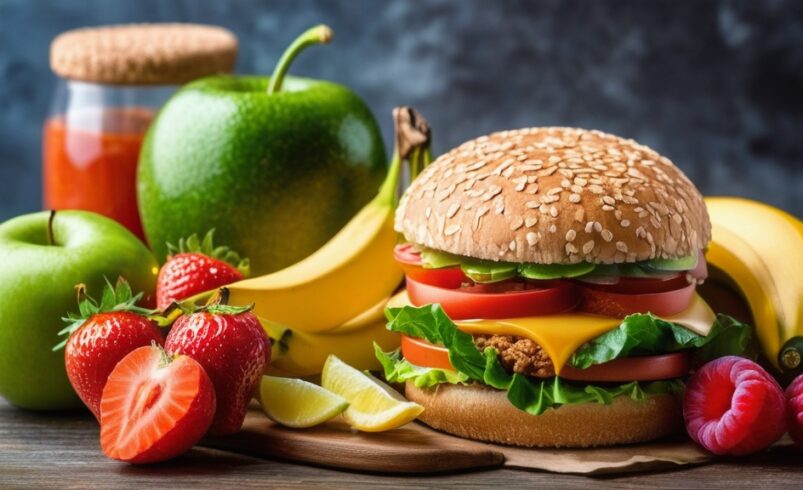
The Glycemic Index (GI) measures how quickly foods raise blood sugar levels. It ranks carbohydrates on a scale from 0 to 100. Foods with a high GI cause rapid spikes in blood sugar, while low GI foods lead to gradual increases. Understanding GI helps people make informed dietary choices.
Low GI foods typically include whole grains, legumes, and most fruits and vegetables. These foods provide sustained energy and help maintain stable blood sugar levels. Conversely, high GI foods often include sugary snacks and white bread. These can lead to energy crashes and increased hunger.
Researchers measure the GI of foods by testing them on human subjects. They give participants a specific amount of the food and monitor their blood sugar levels. The results show how quickly the food raises blood sugar compared to a reference food, usually glucose or white bread.
The measurement involves calculating the area under the blood sugar response curve. This area reflects how much and how quickly blood sugar rises after eating. The final GI value is a percentage of the response to the reference food. This method ensures consistency and accuracy in determining a food’s GI.
The GI significantly influences blood sugar levels after meals. High GI foods can cause rapid spikes, leading to increased insulin production. This quick rise and fall can leave individuals feeling fatigued and hungry soon after eating.
In contrast, low GI foods promote a slower, steadier release of glucose into the bloodstream. This gradual increase helps maintain energy levels throughout the day. It also reduces the risk of developing insulin resistance over time. Understanding these effects can guide better food choices for overall health.
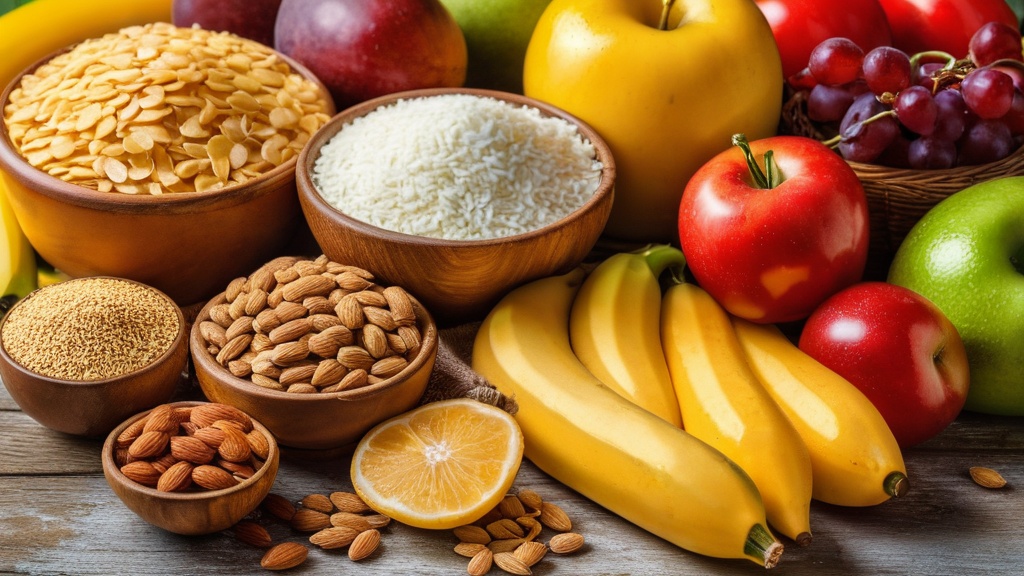
Managing weight often involves controlling blood sugar levels. Low GI foods can help with this by promoting satiety and reducing cravings. When blood sugar remains stable, individuals are less likely to overeat or snack frequently.
Incorporating low GI foods into meals can support weight loss efforts. These foods provide essential nutrients while keeping calorie intake in check. Additionally, they help regulate appetite hormones, making it easier to stick to a healthy eating plan. This approach fosters long-term weight management success.
| Food Item | Glycemic Index (GI) | Category | Serving Size |
|---|---|---|---|
| White Bread | 75 | Grain | 1 slice (30g) |
| Brown Rice | 50 | Grain | 1 cup cooked (195g) |
| Apple | 38 | Fruit | 1 medium (182g) |
| Carrots (raw) | 16 | Vegetable | 1 medium (61g) |
| Banana (ripe) | 51 | Fruit | 1 medium (118g) |
| Sweet Potato | 44 | Vegetable | 1 medium (130g) |
| Milk (whole) | 31 | Dairy | 1 cup (244g) |
| Chickpeas | 28 | Legume | 1 cup cooked (164g) |
| Watermelon | 72 | Fruit | 1 cup diced (152g) |
| Oatmeal (rolled oats) | 55 | Grain | 1 cup cooked (234g) |
Selecting low GI foods is crucial for a balanced diet. Whole grains like quinoa and barley are excellent choices. They offer fiber and essential nutrients while keeping blood sugar stable.
Fruits such as berries, apples, and pears also rank low on the GI scale. These fruits provide vitamins and antioxidants without causing significant blood sugar spikes. Incorporating vegetables like broccoli, spinach, and carrots further enhances nutrient intake while maintaining low GI levels.
High GI foods typically include processed snacks, sugary drinks, and white bread. These foods can lead to quick energy bursts followed by crashes. They often lack essential nutrients and can contribute to weight gain.
Low GI foods, on the other hand, include whole grains, legumes, and most fruits and vegetables. They provide sustained energy and essential nutrients without causing rapid blood sugar fluctuations. Understanding these differences helps individuals make healthier food choices.
Energy levels often correlate with the types of carbohydrates consumed. High GI foods can lead to quick energy spikes followed by crashes, leaving individuals feeling tired. This cycle can affect productivity and overall well-being.
Low GI foods provide a more stable source of energy throughout the day. They release glucose gradually into the bloodstream, preventing sudden drops in energy levels. Choosing low GI options can enhance focus and stamina during daily activities.
For individuals with diabetes, managing blood sugar levels is crucial. The Glycemic Index plays a significant role in this process. Low GI foods help maintain stable blood sugar levels, reducing the risk of complications.
Incorporating low GI foods into meals can improve overall diabetes management. These foods help control insulin responses and reduce the need for medication adjustments. Understanding the GI of various foods empowers individuals to make better dietary choices.
Exercise impacts how the body processes carbohydrates. Consuming low GI foods before workouts can provide sustained energy without causing spikes in blood sugar levels. This steady energy source supports endurance during physical activities.
Post-exercise nutrition is also important for recovery. Low GI foods can help replenish glycogen stores gradually, aiding muscle recovery without overwhelming the body with sugar. Balancing exercise with low GI nutrition enhances overall fitness results.
Start by gradually replacing high GI foods with low GI alternatives. Choose whole grains instead of refined grains for better blood sugar control. Incorporate more fruits and vegetables into meals for added nutrients.
Plan meals around low GI staples like legumes and nuts. These foods provide protein and healthy fats while keeping blood sugar stable. Experiment with new recipes that highlight low GI ingredients to keep meals exciting.
Glycemic Load (GL) complements the Glycemic Index by considering portion sizes. It measures how much a food will raise blood sugar based on its carbohydrate content and serving size. Understanding GL helps individuals make more informed choices about their meals.
Foods with a high GL can still be part of a healthy diet when consumed in moderation. Balancing high GL foods with low GL options ensures better blood sugar control. This approach promotes overall health while allowing for flexibility in dietary choices.
In conclusion, understanding the Glycemic Index is essential for making informed dietary decisions. It impacts blood sugar levels, weight management, energy levels, diabetes management, and exercise performance. By choosing low GI foods and considering Glycemic Load, individuals can foster healthier eating habits for long-term well-being.
The glycemic index (GI) is a ranking system that measures how quickly carbohydrate-containing foods raise blood glucose levels after consumption. Foods are scored on a scale from 0 to 100, with higher values indicating faster increases in blood sugar.
The glycemic index helps individuals understand how different foods affect blood sugar levels, which is particularly important for people with diabetes or those managing their weight. Choosing low-GI foods can promote better blood sugar control and sustained energy.
The glycemic index is determined by feeding a group of healthy individuals a portion of food containing 50 grams of available carbohydrates and measuring their blood glucose response over two hours. This response is then compared to the response from a reference food, usually glucose or white bread.
Low GI foods (55 or less) include most fruits, legumes, and whole grains. Medium GI foods (56-69) include whole wheat products and some types of rice. High GI foods (70 or above) include white bread, white rice, and sugary snacks.
No, the glycemic index measures the quality of carbohydrates based on their effect on blood sugar, not the quantity. To account for both quality and quantity, the glycemic load (GL) is used, which multiplies the GI by the amount of carbohydrate in a serving.
Yes, cooking methods can influence the glycemic index. For example, overcooking pasta or potatoes can increase their GI by breaking down starches more, leading to faster digestion and absorption.
No, while the glycemic index is a useful tool, overall nutritional content, portion sizes, fiber content, and individual health needs should also be considered when planning a balanced diet.
Yes, individual responses to carbohydrate-containing foods can vary due to factors like metabolism, insulin sensitivity, and gut microbiota, so the GI values are averages and may not reflect personal blood sugar responses exactly.