


Top Foods for Post-Workout Recovery
- February 12, 2026
- 0
Your workout is done. You feel accomplished, strong even. But your body just went through a demanding challenge. It needs nourishment to rebuild and get stronger. Think of


Your workout is done. You feel accomplished, strong even. But your body just went through a demanding challenge. It needs nourishment to rebuild and get stronger. Think of
Your workout is done. You feel accomplished, strong even. But your body just went through a demanding challenge. It needs nourishment to rebuild and get stronger. Think of your muscles as a construction site. After a tough workout, they need the right materials to repair and grow. What you eat afterward is like providing those essential building blocks.
Muscles endure tiny tears during exercise. This is a normal part of getting fitter. Protein is the key ingredient for repairing these tears. It helps build new muscle tissue. Without enough protein, your recovery slows down. You might feel sore for longer.
Some protein sources offer all the building blocks your muscles need. These are called complete proteins. They contain all nine essential amino acids. Your body cannot make these itself.
Amino acids are the small units that make up proteins. Think of them as individual LEGO bricks. You need many different types of bricks to build something strong. Essential amino acids are the specific bricks your body must get from food.
Consuming protein soon after your workout is beneficial. This window allows your muscles to efficiently absorb the protein. It kicks starts the repair process. Aim for protein within 30-60 minutes post-exercise.
Greek yogurt is a fantastic post-workout option. It packs a protein punch and is easily digestible. Pair it with berries for a double benefit.
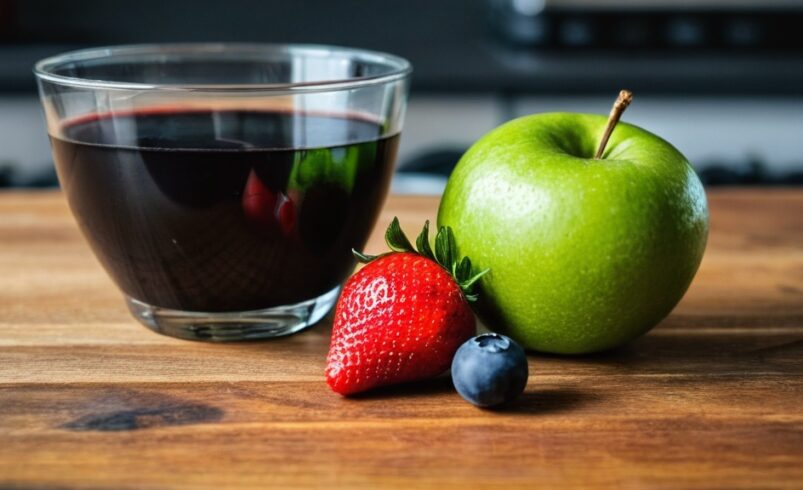
Berries are loaded with antioxidants. These compounds fight the stress your muscles experienced. They help reduce inflammation.
Don’t underestimate chocolate milk. It offers a balanced mix of protein and carbohydrates. This ratio is ideal for muscle refueling. Studies suggest it can be as effective as sports drinks.
The ideal ratio for recovery is often around 3:1. This means three parts carbohydrates for every one part protein. This helps replenish energy stores. It also aids protein absorption for muscle repair.
Cottage cheese is another protein powerhouse. It contains a significant amount of protein. It also provides leucine. Leucine is an amino acid crucial for muscle protein synthesis.
Cottage cheese contains casein protein. This protein digests slowly. It provides a steady supply of amino acids to your muscles overnight. This is great for extended recovery.
Fatty fish like salmon are excellent choices. Salmon offers high-quality protein. It also provides omega-3 fatty acids.
Omega-3s are known for their anti-inflammatory properties. Exercise can cause inflammation. Omega-3s help manage this. This leads to faster recovery.
Lean chicken breast is a protein staple. It helps rebuild damaged muscle fibers. Sweet potatoes complement it perfectly.
Sweet potatoes are complex carbohydrates. They help replenish glycogen. Glycogen is your muscles’ stored energy. This energy gets depleted during workouts.
Eggs are a complete protein source. They are also very versatile. You can prepare them in many ways. This makes them an easy addition to your diet.
Eggs contain leucine. This amino acid signals your muscles to begin repairing. It is a vital component for muscle growth.
Ricotta cheese offers a good amount of protein. It is also rich in leucine. This makes it a valuable recovery food.
For those looking to optimize their post-workout recovery, it’s essential to focus on the right nutrition. A related article that delves into the best foods for post-workout recovery can be found at this link. Incorporating a balanced mix of proteins, carbohydrates, and healthy fats can significantly enhance muscle repair and replenish energy stores, ensuring you bounce back stronger for your next workout.
Your body uses stored energy during exercise. This energy is in the form of carbohydrates. After your workout, you need to refill these stores. This process is called glycogen replenishment.
Carbohydrates are your body’s preferred fuel source. They are essential for energy. After exercise, they help speed up recovery. They also prepare you for your next training session.
Bananas are a convenient and effective choice. They provide quick-digesting carbohydrates. This means your body can use them rapidly. They also contain electrolytes.
Electrolytes are minerals. They help regulate fluid balance. They are lost through sweat during exercise. Replenishing them can prevent cramps.
Sweet potatoes offer complex carbohydrates. These break down more slowly. This provides a steadier supply of energy. They also contain valuable vitamins.
Sweet potatoes are rich in beta-carotene. This converts to vitamin A in your body. They also provide vitamin C. These are powerful antioxidants. They protect your cells from damage.
Whole-grain bread and pasta are excellent carb sources. They provide sustained energy. They also contain fiber. Fiber aids digestion.
Whole grains include the entire grain kernel. This means they retain more nutrients. Refined grains have had parts removed. This strips away much of their goodness.
Quinoa is unique. It is a grain-like seed. It provides complete protein. It also offers complex carbohydrates. This makes it a recovery powerhouse.
Quinoa contains all nine essential amino acids. This is rare for a plant-based food. It makes it a very valuable addition to your diet.

Exercise can trigger a natural inflammatory response. This is part of the adaptation process. However, excessive inflammation can delay recovery. Certain foods can help manage this.
Tart cherry juice has gained popularity. It contains compounds called anthocyanins. These have been shown to reduce muscle inflammation. It can significantly reduce muscle soreness.
Anthocyanins are pigments found in dark fruits. They are potent antioxidants. They work by neutralizing harmful molecules. This reduces cellular damage.
Different types of berries are beneficial. Strawberries, blueberries, raspberries, and blackberries are all good choices. They are packed with antioxidants. These combat oxidative stress from exercise.
The antioxidants in berries help repair cellular damage. They can reduce the impact of free radicals. This speeds up muscle recovery.
Watermelon is not just refreshing. It is a good source of hydration. It also contains L-citrulline. This amino acid has shown promise in relieving muscle soreness.
L-citrulline can help improve blood flow. This assists in transporting nutrients to muscles. It can also help remove waste products. This aids in quicker recovery.
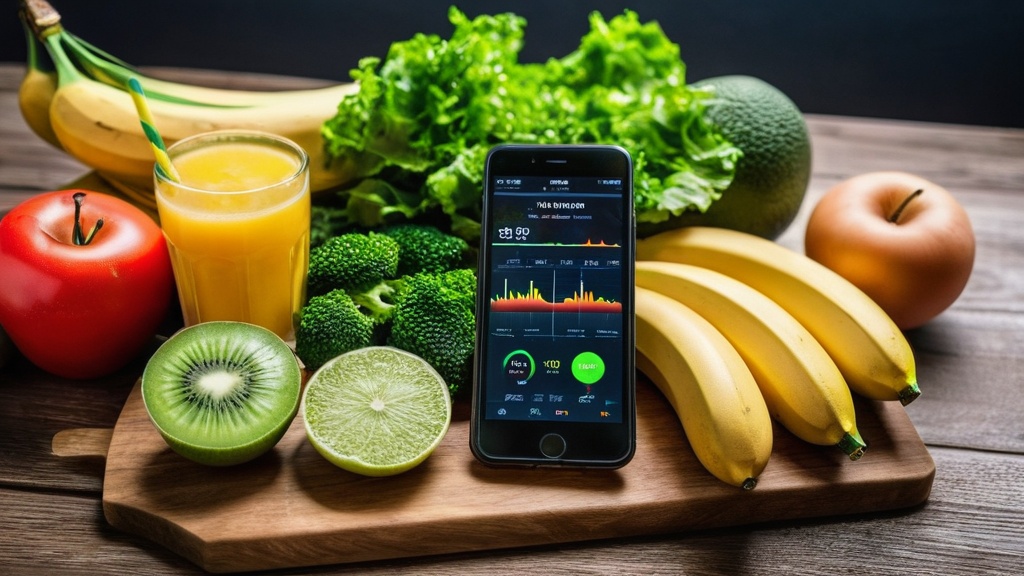
Water is crucial for all bodily functions. This includes post-workout recovery. Dehydration can severely hinder your progress. It can also lead to fatigue and cramps.
Drink water consistently throughout the day. Don’t wait until you are thirsty. Thirst is a sign you are already slightly dehydrated.
For intense or prolonged workouts, consider electrolyte replacement. This can come from beverages or foods. Maintaining balance is key.
After an intense workout, choosing the right foods for recovery is crucial to replenish energy and repair muscles. Incorporating a balance of carbohydrates and proteins can significantly enhance your recovery process. For a deeper understanding of how macronutrients play a vital role in athletic performance, you can explore this insightful article on fueling your body. It provides valuable information on optimizing your nutrition to support your fitness goals.
| Food | Key Nutrients | Benefits for Post-Workout Recovery | Recommended Serving Size |
|---|---|---|---|
| Chicken Breast | Protein, B Vitamins | Supports muscle repair and growth | 3-4 ounces |
| Quinoa | Carbohydrates, Protein, Fiber | Replenishes glycogen and provides amino acids | 1 cup cooked |
| Greek Yogurt | Protein, Probiotics, Calcium | Promotes muscle recovery and gut health | 1 cup |
| Bananas | Carbohydrates, Potassium | Restores energy and prevents muscle cramps | 1 medium |
| Salmon | Protein, Omega-3 Fatty Acids | Reduces inflammation and aids muscle repair | 3-4 ounces |
| Sweet Potatoes | Carbohydrates, Vitamin A, Potassium | Replenishes glycogen and supports immune function | 1 medium |
| Almonds | Healthy Fats, Protein, Vitamin E | Supports muscle repair and reduces oxidative stress | 1 ounce (about 23 almonds) |
| Eggs | Protein, Essential Amino Acids, Vitamins | Promotes muscle synthesis and recovery | 2 large eggs |
| Spinach | Iron, Magnesium, Antioxidants | Supports energy production and reduces inflammation | 1 cup cooked |
| Chocolate Milk | Carbohydrates, Protein, Electrolytes | Effective for glycogen replenishment and muscle repair | 8 ounces |
Your recovery meal should aim to combine protein and carbohydrates. This synergistic approach maximizes benefits. Think of it as a pit stop for your body. Refueling correctly leads to a faster, stronger finish.
A classic like grilled chicken with sweet potato is excellent. Greek yogurt with mixed berries is a quick option. A smoothie with protein powder, banana, and spinach also works well.
The amount you need depends on your size and workout intensity. Generally, aim for a balance. Heavier individuals may require slightly larger portions.
A common recommendation involves looking at protein and carbohydrate servings. For example, an athlete under 175 pounds might aim for 3 protein servings and 2-6 carbohydrate servings. Heavier athletes might need more. This is a general guideline, not personal advice.
Your body provides cues. Pay attention to how you feel. Are you noticing persistent soreness? Is your energy low? Adjust your post-workout nutrition accordingly.
This information is for general knowledge. If you have specific dietary needs or health concerns, consult a healthcare professional or registered dietitian. They can provide personalized guidance. They can help you create a recovery plan tailored to you.
The best post-workout foods typically include a combination of protein and carbohydrates. Protein helps repair and build muscle, while carbohydrates replenish glycogen stores. Examples include lean meats, eggs, dairy, whole grains, fruits, and vegetables.
Protein provides the amino acids necessary for muscle repair and growth. Consuming protein after exercise helps reduce muscle soreness and supports the rebuilding of muscle fibers that are broken down during physical activity.
It is generally recommended to eat within 30 to 60 minutes after a workout. This window helps maximize muscle recovery and glycogen replenishment, improving overall recovery and performance in subsequent workouts.
Yes, carbohydrates are important post-workout because they restore glycogen levels in muscles, which are depleted during exercise. Consuming carbs along with protein enhances muscle recovery and energy restoration.
Absolutely. Rehydrating after exercise is crucial to replace fluids lost through sweat. Proper hydration supports nutrient transport, muscle function, and overall recovery. Drinking water or electrolyte-rich beverages is recommended.