Maximizing Your Workout Fueling for Optimal Performance
January 3, 2026
0
Workout fueling plays a crucial role in athletic performance. Proper nutrition enhances endurance, strength, and recovery by providing the energy and nutrients your body requires during physical activity.
Workout fueling plays a crucial role in athletic performance. Proper nutrition enhances endurance, strength, and recovery by providing the energy and nutrients your body requires during physical activity. When you fuel your body with appropriate foods and hydration, you optimize your performance during workouts.
Nutrition directly impacts energy levels and overall athletic performance. Carbohydrates serve as the primary fuel source for high-intensity exercise, while proteins support muscle repair and adaptation. Without adequate fuel, you may experience fatigue, reduced power output, and decreased motivation.
Understanding the relationship between nutrition and performance helps you make informed dietary choices that support your training goals.
Key Takeaways
Proper workout fueling is essential for energy, performance, and recovery.
Tailor your nutrition to individual needs, focusing on timing and nutrient balance.
Pre-workout snacks should combine carbs and protein for sustained energy.
Hydration before, during, and after exercise is crucial for optimal performance.
Post-workout nutrition, including protein and carbs, supports muscle repair and growth.
Identifying Your Individual Nutritional Needs
Every individual has unique nutritional requirements. Factors such as age, weight, activity level, and fitness goals influence these needs. Assessing your personal situation is essential for effective fueling.
Consider consulting a nutritionist or dietitian. They can help you create a tailored plan that meets your specific needs. This personalized approach ensures you receive the right nutrients for optimal performance.
Pre-Workout Fueling Strategies
Pre-workout fueling strategies can significantly impact your performance. Timing and composition of meals matter greatly. Aim to eat a balanced meal 2-3 hours before exercising.
Include carbohydrates, proteins, and healthy fats in your pre-workout meal. Carbohydrates provide quick energy, while proteins support muscle function. Healthy fats offer sustained energy for longer workouts.
Choosing the Right Pre-Workout Snacks and Meals
Selecting the right pre-workout snacks can enhance your performance. Opt for easily digestible foods that provide energy without causing discomfort. Bananas, yogurt, or oatmeal are excellent choices.
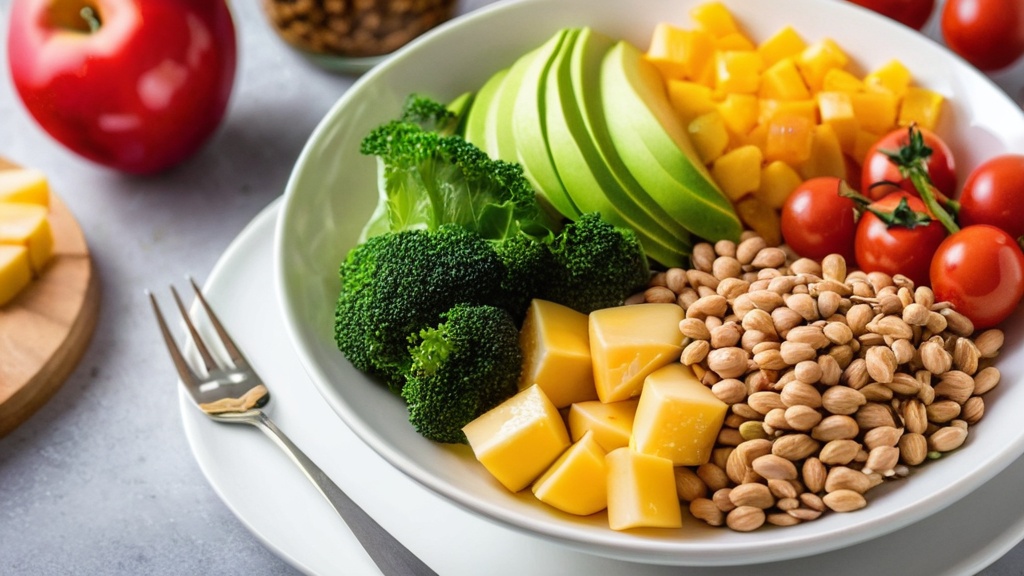
If you have more time, consider a balanced meal. A combination of lean protein, whole grains, and vegetables works well. This meal will fuel your workout and keep you satisfied.
Hydration Tips for Optimal Performance
Metric
Description
Recommended Amount
Timing
Carbohydrates
Primary energy source for workouts
30-60 grams per hour
30-60 minutes before and during workout
Protein
Supports muscle repair and growth
10-20 grams
Within 30 minutes post-workout
Hydration
Maintains fluid balance and performance
500-700 ml 2 hours before, 150-350 ml every 15-20 minutes during
Before and during workout
Fats
Secondary energy source, avoid heavy fats pre-workout
Minimal before workout
Preferably post-workout or meals away from exercise
Electrolytes
Replenish sodium, potassium lost through sweat
Varies based on sweat rate, typically 300-700 mg sodium per hour
During prolonged workouts over 1 hour
Hydration is vital for optimal workout performance. Dehydration can lead to fatigue, decreased coordination, and impaired recovery. Drink water throughout the day to maintain hydration levels.
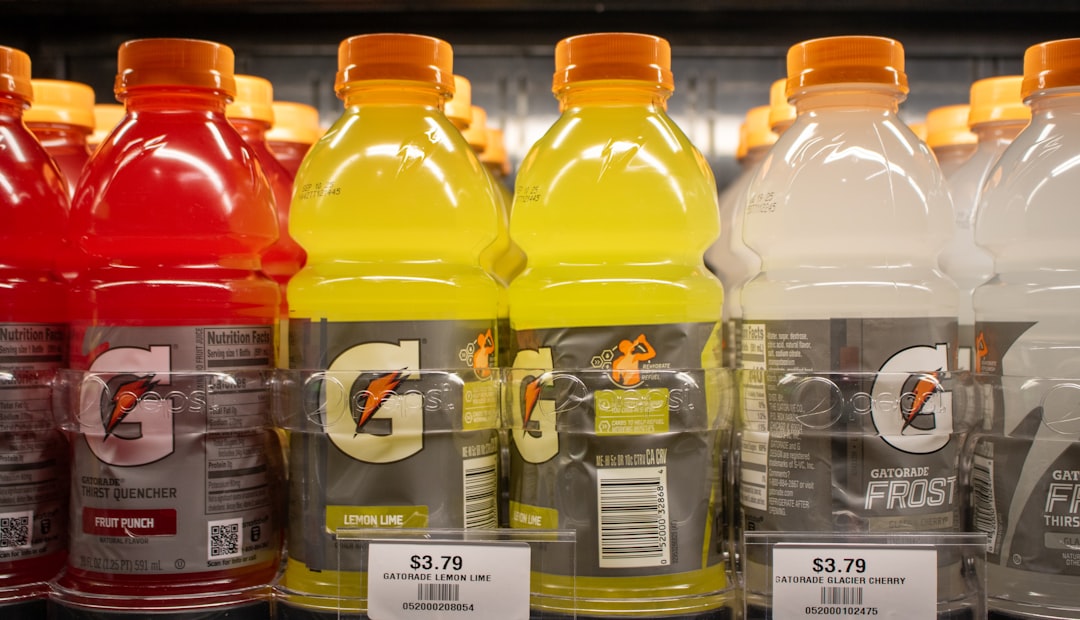
Consider electrolyte-rich drinks during intense workouts. These beverages help replenish lost minerals and maintain fluid balance. Pay attention to your body’s signals to ensure proper hydration.
Post-Workout Nutrition for Recovery and Muscle Repair
Post-workout nutrition is essential for recovery and muscle repair. Consuming the right nutrients helps your body recover faster and rebuild muscle tissue. Aim to eat within 30 minutes after exercising.
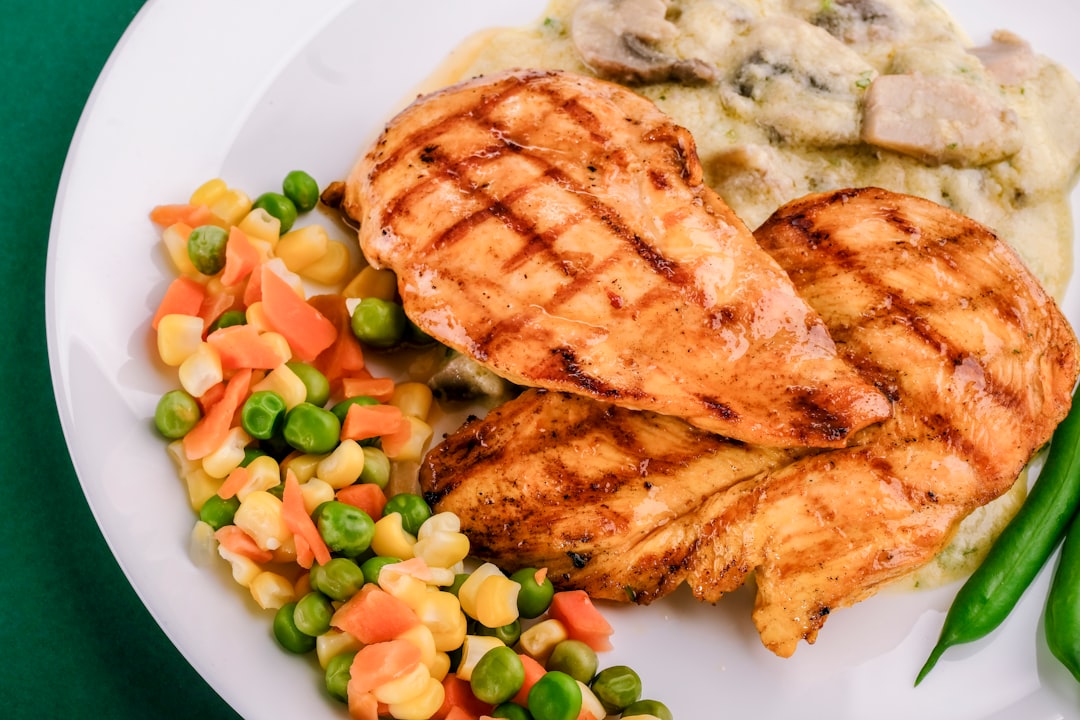
Focus on a combination of protein and carbohydrates in your post-workout meal. This combination promotes muscle recovery and replenishes glycogen stores. Foods like chicken with brown rice or a protein smoothie work well.
Incorporating Protein for Muscle Building and Repair
Protein plays a vital role in muscle building and repair. It provides the necessary amino acids for muscle recovery after workouts. Incorporate high-quality protein sources into your diet.
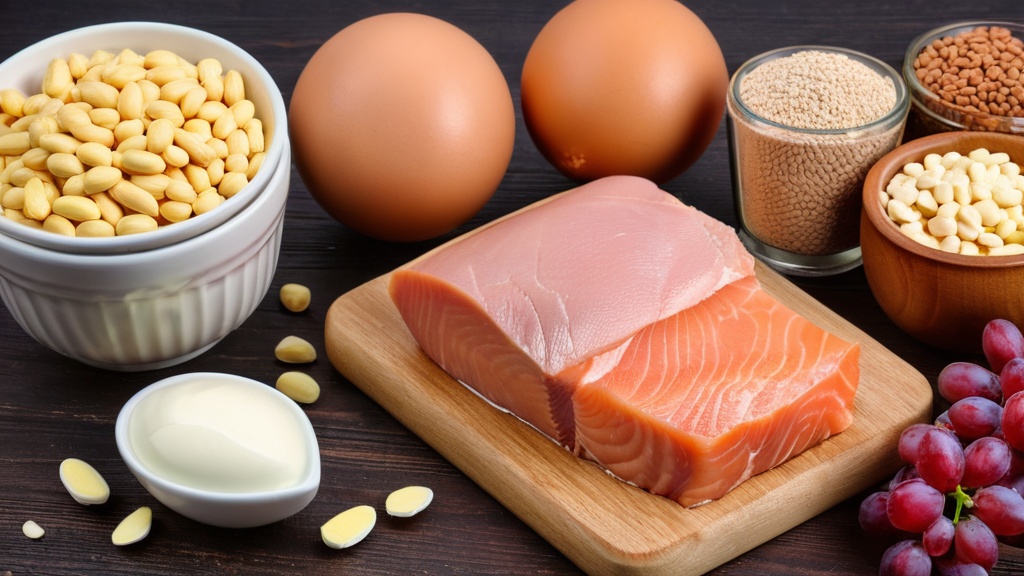
Lean meats, fish, eggs, dairy, legumes, and plant-based proteins are excellent options. Aim for a protein-rich meal or snack after exercising to support muscle growth. This practice will enhance your overall fitness results.
The Role of Carbohydrates in Sustaining Energy Levels
Carbohydrates serve as the primary energy source during workouts. They fuel your muscles and help maintain endurance throughout exercise sessions. Including adequate carbohydrates in your diet is crucial for optimal performance.
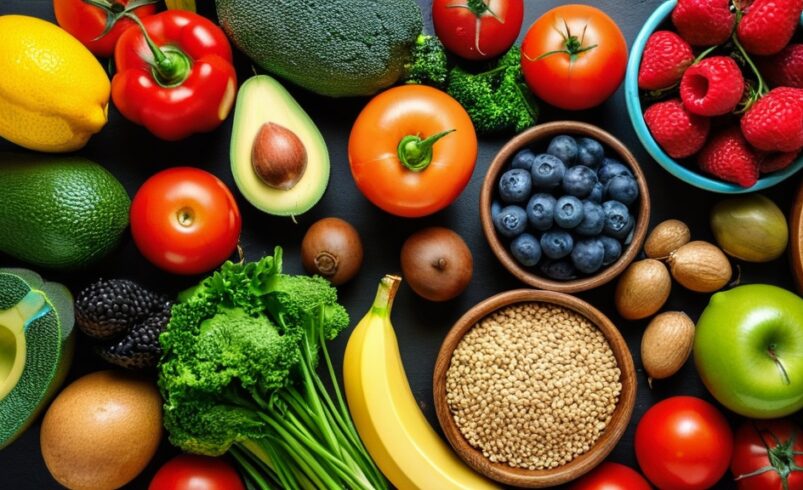
Choose complex carbohydrates for sustained energy release. Foods like whole grains, fruits, and vegetables provide essential nutrients along with energy. Balancing carbohydrates with other macronutrients ensures a well-rounded diet.
The Importance of Healthy Fats in Workout Fueling
Healthy fats also play a significant role in workout fueling. They provide long-lasting energy and support overall health. Incorporate sources of healthy fats into your meals for optimal performance.
Avocados, nuts, seeds, and olive oil are excellent choices. These fats help reduce inflammation and support hormone production. Including them in your diet can enhance your overall fitness journey.
Supplements for Enhanced Performance and Recovery
Supplements can complement your nutrition plan for enhanced performance and recovery. While whole foods should be the foundation of your diet, certain supplements may offer benefits. Creatine, branched-chain amino acids (BCAAs), and protein powders are popular options.
Before starting any supplement regimen, consult with a healthcare professional or nutritionist. They can help you determine which supplements align with your goals and needs. This guidance ensures safe and effective use of supplements.
Creating a Personalized Workout Fueling Plan
Creating a personalized workout fueling plan is essential for success. Start by assessing your current diet and identifying areas for improvement. Consider your workout schedule, preferences, and nutritional needs.
Develop a plan that includes pre-workout meals, snacks, hydration strategies, and post-workout nutrition. Regularly evaluate your progress and adjust as needed. A tailored approach will help you achieve your fitness goals effectively.
In conclusion, understanding workout fueling is vital for anyone looking to enhance their performance and recovery. By identifying individual nutritional needs and implementing effective strategies, you can optimize your workouts and achieve better results. Prioritize hydration, incorporate the right macronutrients, and consider supplements when necessary to support your fitness journey.
FAQs
What is workout fueling?
Workout fueling refers to the practice of consuming the right types and amounts of nutrients before, during, and after exercise to optimize performance, endurance, and recovery.
Why is fueling important for workouts?
Proper fueling provides the body with energy, helps maintain blood sugar levels, delays fatigue, supports muscle repair, and enhances overall workout effectiveness.
What should I eat before a workout?
Before a workout, it is recommended to eat a balanced meal or snack containing carbohydrates for energy, moderate protein, and a small amount of healthy fats, ideally 1-3 hours prior to exercise.
Is it necessary to eat during a workout?
Eating during a workout is generally recommended for prolonged or intense exercise sessions lasting more than 60 minutes to maintain energy levels and prevent fatigue, typically through easily digestible carbohydrates.
What are good post-workout foods?
Post-workout nutrition should include carbohydrates to replenish glycogen stores and protein to aid muscle repair and growth, consumed within 30 to 60 minutes after exercise.
How much water should I drink during exercise?
Hydration needs vary, but it is generally advised to drink water before, during, and after exercise to replace fluids lost through sweat and maintain optimal performance.
Can supplements help with workout fueling?
Certain supplements like protein powders, electrolytes, and carbohydrate gels can support workout fueling, but whole foods are typically preferred for balanced nutrition.
Does the type of workout affect fueling needs?
Yes, fueling needs differ based on workout intensity, duration, and type (e.g., endurance vs. strength training), requiring tailored nutrition strategies.
How soon before a workout should I eat?
It is best to eat a meal 2-3 hours before exercising or a small snack 30-60 minutes prior to allow for digestion and optimal energy availability.
Can workout fueling help with weight loss?
Proper fueling can support weight loss by improving workout performance and recovery, helping maintain muscle mass, and preventing overeating due to excessive hunger.