

Maximize Muscle Recovery with Electrolytes
- April 5, 2026
- 0
Feeling that post-workout ache? It’s a sign your body worked hard. But what if you could speed up that recovery and feel better sooner? Properly fueling your muscles


Feeling that post-workout ache? It’s a sign your body worked hard. But what if you could speed up that recovery and feel better sooner? Properly fueling your muscles
Feeling that post-workout ache? It’s a sign your body worked hard. But what if you could speed up that recovery and feel better sooner? Properly fueling your muscles after exercise is key. One often overlooked nutrient group plays a huge role: electrolytes.
Electrolytes are minerals. They carry an electric charge. Think of them as tiny messengers in your body. They are vital for many functions. This includes muscle and nerve activity.
The most common electrolytes are sodium, potassium, and magnesium. Calcium and chloride are also important. These are not just table salt. They are dissolved in your body fluids.
Electrolytes help your muscles contract. They also help them relax. This is crucial for movement. After a good workout, your muscles need to repair. Electrolytes support this repair process. They help shuttle nutrients to your cells.
Water is essential for recovery. But it’s not enough on its own. Electrolytes help your body hold onto water. This keeps you properly hydrated. Good hydration aids nutrient transport. It also helps remove waste products.
Electrolytes play a crucial role in muscle recovery, helping to maintain fluid balance and prevent cramping after intense workouts. For those interested in learning more about the importance of electrolytes and how they can enhance recovery, a related article can be found at this link. This resource provides valuable insights into the types of electrolytes needed for optimal muscle function and recovery strategies that can benefit athletes and fitness enthusiasts alike.
When you exercise, you lose electrolytes. This happens through sweat. Losing too many can cause problems. Muscle cramps are a common issue. You might also feel more fatigued.
Cramps happen when muscles seize up. Electrolyte imbalances can trigger this. Sodium and potassium are particularly important here. Maintaining their balance helps muscles function smoothly. This reduces the chance of painful cramps.
Electrolytes help restore your body after exertion. They support energy production. They also aid nerve function. This helps you feel less tired. Replenishing them can boost your energy levels.
Your muscles experience tiny tears during exercise. Repairing these is how they get stronger. Electrolytes play a part in this healing. They help deliver building blocks to damaged muscle fibers. This speeds up the recovery process.
Each electrolyte has unique functions. Understanding them helps you focus your intake.
Sodium is often villainized. But it’s vital for muscle function. It helps transmit nerve signals. It also plays a role in fluid balance. Sweating depletes sodium significantly. Replenishing it is critical after workouts.
Potassium helps regulate muscle contractions. It works with sodium to maintain fluid balance. It’s also important for nerve impulses. Foods rich in potassium are beneficial. Think bananas and sweet potatoes.
Magnesium is essential for muscle relaxation. It prevents muscles from tightening too much. It’s also involved in protein synthesis. This directly aids muscle repair. Many athletes are deficient in magnesium.
Calcium is well-known for bone health. But it’s also crucial for muscle function. It triggers muscle contractions. Its proper balance supports smooth movement. It works closely with other electrolytes.

You can replenish electrolytes in several ways. Some are more effective than others.
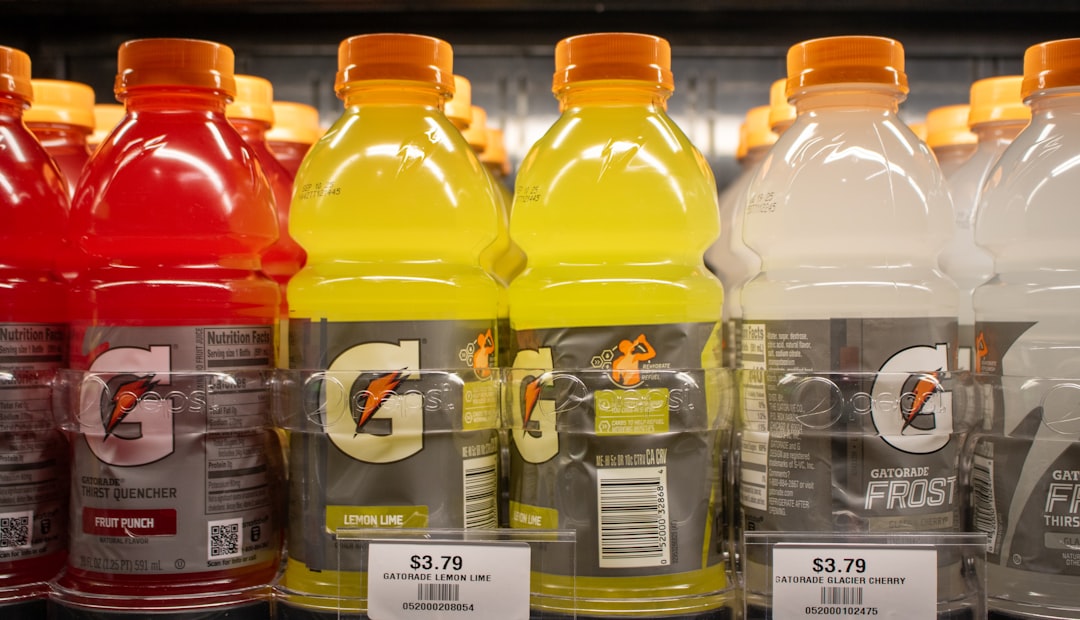
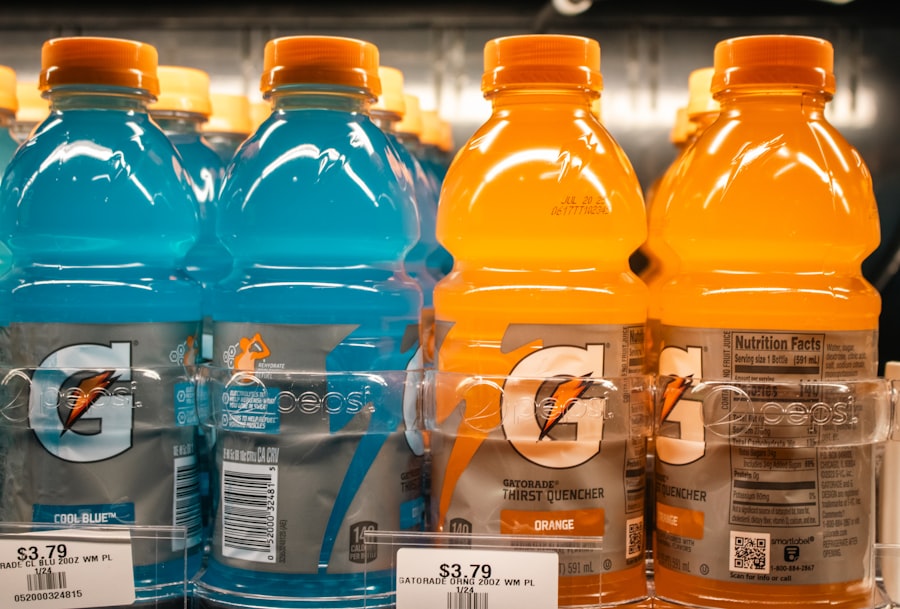
Don’t just drink plain water after exercise. Consider an electrolyte drink. These drinks contain the necessary minerals. They help rehydrate your body effectively. They also replenish lost electrolytes.
Imagine a marathon runner. They sweat a lot for hours. Plain water won’t cut it. They need to replace sodium, potassium, and magnesium. An electrolyte beverage helps them recover faster. It prevents dehydration and cramps.
Replenish electrolytes as soon as possible. Your body is most receptive then. Within 30-60 minutes post-workout is ideal. This proactive approach supports quicker recovery. It gets your body back on track.
Some sources are better than others. Look for drinks with a balanced profile. These should contain sodium, potassium, and magnesium. Avoid those loaded with sugar. Natural food sources are also great.
Electrolytes play a crucial role in muscle recovery, helping to replenish the minerals lost during intense exercise. For those looking to enhance their recovery process, understanding the importance of hydration and electrolyte balance is essential. A related article discusses the benefits of various electrolytes and how they can aid in muscle recovery, providing valuable insights for athletes and fitness enthusiasts alike. You can read more about this topic in the article on electrolytes and muscle recovery.
| Electrolyte | Function | Food Sources |
|---|---|---|
| Potassium | Regulates muscle contractions and nerve signals | Bananas, sweet potatoes, spinach |
| Sodium | Helps maintain fluid balance and nerve function | Table salt, pickles, olives |
| Magnesium | Supports muscle and nerve function, energy production | Almonds, spinach, cashews |
| Calcium | Important for muscle contractions and bone health | Milk, cheese, yogurt |
Research is exploring new recovery tools. Hydrogen-rich water (HRW) shows promise. It may enhance electrolyte benefits.
HRW contains extra hydrogen molecules. These molecules act as antioxidants. They can help combat exercise-induced stress. This may aid muscle recovery further.
Studies suggest HRW can help athletes. Elite swimmers saw reduced muscle damage. They reported less delayed onset muscle soreness (DOMS). Performance improvements were also noted. This was after strenuous training sessions.
The combination may be powerful. HRW can amplify electrolyte actions. It could enhance hydration and repair. More research is ongoing in this area.
Electrolytes play a crucial role in muscle recovery, helping to replenish lost minerals and maintain hydration levels after intense workouts. For those looking to enhance their understanding of how these essential nutrients contribute to overall performance and recovery, a related article can provide valuable insights. You can explore more about this topic in the article on the National Post-Acute Network website by following this link.
Specific products are designed for optimal electrolyte intake. Understanding their science highlights key principles.
LMNT emphasizes electrolyte balance. They focus on sodium, potassium, and magnesium. Their formulations aim for specific ratios. These ratios support key bodily functions.
Electrolytes influence how much water you retain. Sodium is particularly important for this. Proper fluid retention is vital for hydration. It keeps muscles functioning optimally.
As mentioned, electrolytes enable muscle movement. They are essential for nerve signals. These signals tell muscles to contract and relax. Maintaining a healthy balance is key here.
Their science suggests balanced electrolytes aid recovery. They help rehydrate and repair muscles. This supports athletes in their demanding training. It’s about replenishing what’s lost effectively.
Here are some practical ways to support your recovery.
Choose wisely when selecting drinks. Look for options with real ingredients. Avoid artificial sweeteners and excessive sugar. A balanced electrolyte drink is beneficial. Water alone might not be enough.
Many foods naturally contain electrolytes. Bananas offer potassium. Spinach provides magnesium. Coconut water is a good source of potassium. Dairy products contain calcium. Aim for a varied diet.
If you sweat heavily or train intensely, supplements can help. Choose reputable brands that offer balanced formulas. Consult a healthcare professional if unsure. They can guide your specific needs.
Pay attention to how you feel. Thirst is a clear indicator of dehydration. Muscle cramps can signal electrolyte imbalance. Adjust your intake based on your activity. Your body will tell you what it needs.
Don’t overdo any single electrolyte. Balance is the goal. Too much sodium, for example, can be harmful. Focus on a holistic approach to nutrition. This includes plenty of electrolytes.
Electrolytes are not just for athletes. Everyone needs them daily.
Even without intense exercise, you lose electrolytes. Daily activities, like walking or moderate exertion, deplete them. Maintaining a base level is important. This supports everyday bodily functions.
Illness, such as vomiting or diarrhea, causes significant loss. Hot weather increases sweating. Certain medications can also affect electrolyte levels. Be mindful of these situations.
Proper electrolyte balance impacts mood. It affects cognitive function. It supports cardiovascular health. Think of them as foundational for your well-being. They are crucial for everyone.
Add a pinch of sea salt to water. Enjoy fruits like oranges and melons. Snack on nuts for magnesium. These small changes add up. They support your body’s needs.
Electrolytes are powerful tools for recovery. They keep you hydrated and prevent cramps. They aid muscle repair and reduce fatigue. Smart replenishment is key to feeling your best. Embrace these strategies for better results. Your body will thank you.
Electrolytes are minerals that carry an electric charge and are essential for various bodily functions, including muscle contraction and nerve signaling. When we exercise, we lose electrolytes through sweat, and replenishing them is crucial for muscle recovery and preventing cramps.
The main electrolytes important for muscle recovery are sodium, potassium, calcium, and magnesium. These minerals play a key role in maintaining proper muscle function, hydration, and preventing muscle cramps during and after exercise.
Electrolytes help with muscle recovery by maintaining proper fluid balance in the body, supporting muscle contraction and relaxation, and preventing muscle cramps. They also aid in the transportation of nutrients to the muscles, which is essential for recovery after exercise.
Common sources of electrolytes for muscle recovery include sports drinks, coconut water, bananas, leafy greens, nuts, seeds, and certain types of seafood. These foods and beverages are rich in the essential electrolytes needed for muscle recovery.
To ensure you are getting enough electrolytes for muscle recovery, it’s important to stay hydrated and consume a balanced diet that includes foods rich in electrolytes. Additionally, if you engage in intense or prolonged exercise, consider using electrolyte supplements or sports drinks to replenish lost minerals.