You push your limits. You train hard. Now, let’s talk recovery. Unlocking peak performance isn’t just about intense workouts. It’s also about smart recovery. Discover how active recovery can supercharge your fitness journey.
Active recovery involves low-intensity exercise. You move your body after strenuous activity. This differs from complete rest. Think of it as a gentle cool-down.
It helps your body recuperate effectively. It doesn’t stress muscles further. Instead, it promotes healing. This contrasts with passive recovery. Passive recovery means total inactivity.
Active recovery is an essential component of any training regimen, helping athletes to enhance their performance and reduce muscle soreness. For those interested in optimizing their recovery strategies, a related article that delves into the importance of nutrition for athletic performance can be found at The Science of Fueling: Macronutrients for Peak Athletic Output. This resource provides valuable insights into how proper fueling can complement active recovery techniques, ensuring that athletes are not only recovering effectively but also preparing their bodies for future challenges.
The Science Behind Active Recovery
Active recovery facilitates blood flow. This increased circulation reduces muscle soreness. It helps clear metabolic waste products. Lactic acid is one such waste.
One study in the Journal of Sports Sciences (2018) showed benefits. Active recovery post-resistance training reduced perceived muscle soreness. It also improved subsequent performance. This suggests improved physiological recovery.
Lactic Acid Clearance
Hard exercise creates lactic acid. This waste product builds up. It contributes to muscle fatigue. Active recovery helps flush it out.
Gentle movement speeds lactate removal. A review in the Scandinavian Journal of Medicine & Science in Sports (2010) supported this. It found active recovery more effective than passive. This leads to quicker muscle repair.
Reduced Delayed Onset Muscle Soreness (DOMS)
DOMS can sideline your training. It appears 24-72 hours after exercise. Active recovery mitigates DOMS. It keeps muscles pliable.
Blood flow reduces inflammation. It delivers vital nutrients. These nutrients aid in tissue repair. You feel better, sooner.
Improved Flexibility and Mobility
Active recovery maintains range of motion. Muscles can stiffen post-workout. Gentle movement prevents this. It keeps joints lubricated.
Consider a swimmer doing light laps. This preserves their shoulder mobility. It also eases muscle tension. This is a simple, effective strategy.
Practical Active Recovery Strategies

Incorporating active recovery is simple. It doesn’t require complex equipment. You can do it almost anywhere. Consistency is key here.
Low-Intensity Aerobics
Walking is a great option. Try a leisurely stroll. Cycling at a slow pace works well. Swimming is also excellent.
Aim for 20-30 minutes. Keep your heart rate low. You should easily hold a conversation. This signals low intensity.
For example, after a long run, walk for 20 minutes. It helps unwind your leg muscles. It also boosts blood flow.
Gentle Stretching and Foam Rolling
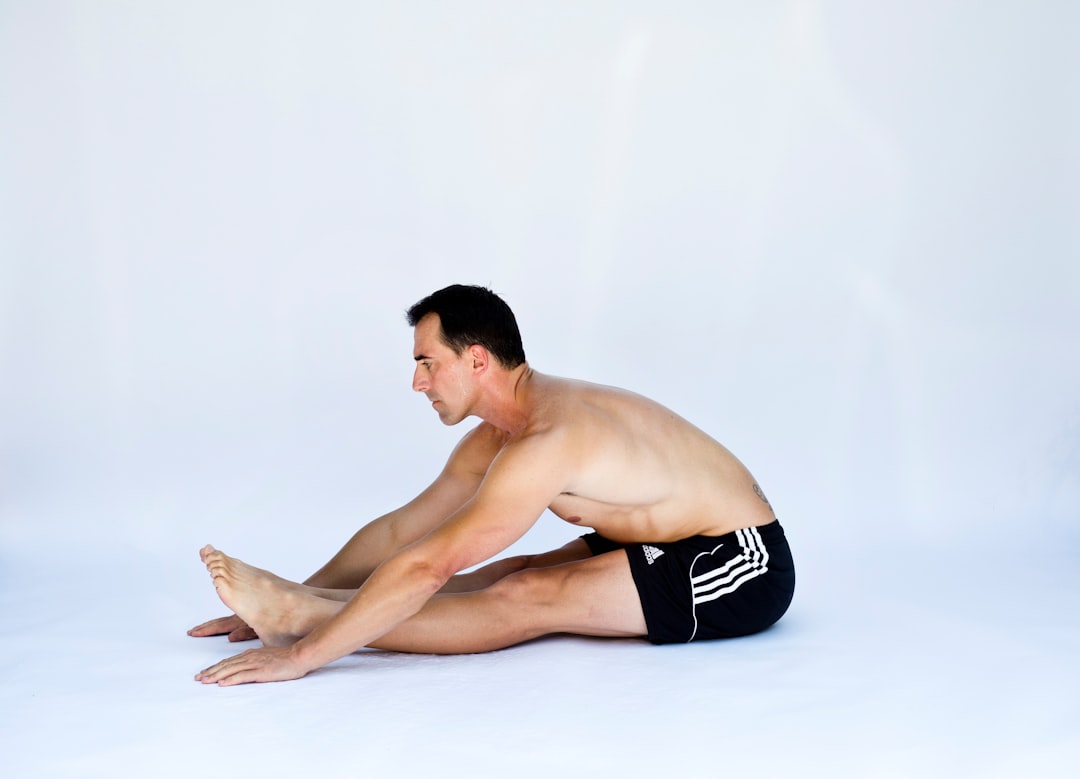
Stretching improves flexibility. It releases muscle tension. Focus on major muscle groups. Hold each stretch for 20-30 seconds.
Foam rolling can be self-myofascial release. It targets trigger points. It breaks up muscle knots. Think of it as a self-massage.
After a heavy lifting session, try foam rolling your quads. This can alleviate tightness. It prepares them for the next workout.
Yoga and Pilates
These practices blend movement and flexibility. They also focus on breathing. This promotes relaxation. They build core strength.
A gentle yoga flow can be restorative. It stretches your entire body. It calms your mind. This helps reset your system.
Light Resistance Training
This involves very light weights. You focus on high repetitions. The goal is blood flow, not muscle fatigue. Use weights far below your maximum.
For example, do bicep curls with 2-pound dumbbells. Perform 20-30 repetitions. This moves blood without stressing muscles.
When to Use Active Recovery

Active recovery fits in various scenarios. It’s versatile. You can tailor it to your routine. Knowing when helps optimize its benefits.
Post-Workout Cool-Down
Always cool down after intense exercise. This signals your body to recover. It prevents sudden blood pooling. A sudden stop can feel jarring.
A 5-10 minute gentle walk helps. Follow with light stretches. This brings your heart rate down slowly. It’s a smooth transition.
Between Intense Training Sessions
Active recovery days are beneficial. Instead of complete rest, do light activity. This keeps your body moving. It prepares you for your next workout.
If you had a leg day on Monday, bike gently on Tuesday. This aids recovery. It also maintains a consistent exercise habit. A study in the European Journal of Applied Physiology (2012) showed benefits for subsequent performance.
During Periods of Overtraining
If you feel burnt out, try active recovery. Intense training can lead to fatigue. Active recovery provides a break. It keeps you engaged with fitness.
Listen to your body. Intense exercise might not be the answer. Gentle movement can be more effective. It prevents injury too.
Active recovery is an essential component of any fitness regimen, helping to promote blood flow and reduce muscle soreness after intense workouts. For those looking to enhance their recovery strategies, understanding the role of supplements can be beneficial. A related article discusses the benefits of creatine, a well-researched supplement that may aid in muscle recovery and performance. You can read more about it in this insightful piece on creatine and its effects. Incorporating both active recovery techniques and proper supplementation can lead to improved overall fitness outcomes.
Benefits Beyond Physical Recovery
| Metric |
Description |
Typical Range |
Importance |
| Heart Rate During Recovery |
Average heart rate maintained during active recovery session |
90-120 bpm |
Helps maintain blood flow and promote recovery without overexertion |
| Duration of Active Recovery |
Length of time spent performing low-intensity activity post-exercise |
10-30 minutes |
Ensures adequate recovery and reduces muscle soreness |
| Blood Lactate Clearance Rate |
Rate at which lactate is removed from the bloodstream during recovery |
20-30% faster than passive recovery |
Indicates effectiveness of active recovery in reducing fatigue |
| Perceived Muscle Soreness |
Subjective rating of muscle soreness after recovery |
Reduced by 15-25% compared to passive recovery |
Reflects improved muscle recovery and comfort |
| Range of Motion Improvement |
Increase in joint flexibility following active recovery |
5-10% improvement |
Supports injury prevention and mobility |
Active recovery isn’t just about muscles. It offers mental benefits. It improves overall well-being. It’s a holistic approach to fitness.
Mental Rejuvenation
Exercise can be stressful. Active recovery provides a mental break. It reduces anxiety. It helps clear your mind.
A brisk walk in nature calms you. It offers fresh air. It stimulates your senses differently. This mental reset is crucial.
Improved Sleep Quality
Regular physical activity helps sleep. Active recovery supports this. It promotes relaxation. Better sleep aids recovery further.
Your body repairs itself during sleep. Active recovery primes your body for this process. It creates a virtuous cycle.
Enhanced Consistency
Injury can derail progress. Overtraining leads to burnout. Active recovery helps avoid both. It keeps you in the game.
You stay motivated. You feel good. This consistency builds long-term fitness. It creates sustainable habits.
Common Misconceptions to Avoid
Active recovery is often misunderstood. Some common pitfalls exist. Clarifying these promotes effective use. Don’s let these mistakes hinder your progress.
“No Pain, No Gain” Mindset
This mindset can be detrimental. Active recovery is low intensity. It should feel easy. Pushing too hard defeats the purpose.
If it hurts, stop. Your goal is circulation, not strain. Listen to your body’s signals. Gentle is the watchword here.
Confusing it with a Workout
Active recovery is not a workout. It does not replace intense training. It complements it. Its purpose is recovery.
Don’t expect fitness gains from it. Expect faster recovery. Expect less soreness. Expect improved readiness for your next session.
Ignoring Your Body
Everyone is different. What works for one may not work for another. Adjust active recovery to your needs. Pay attention to how you feel.
If you are very sore, go even gentler. If you feel energetic, you can sustain longer. It’s a personal process.
Integrating Active Recovery into Your Routine
Making active recovery a habit is key. It’s not an optional extra. It’s a vital part of your fitness. Plan it like any other training session.
Schedule it In
Dedicate specific days or times. Treat it as a non-negotiable. Add it to your calendar. This reinforces its importance.
For example, “Tuesday: 30 min gentle bike ride.” Knowing your plan helps follow through. It becomes routine.
Listen to Your Body’s Cues
Your body provides valuable feedback. Pay attention to fatigue levels. Note muscle soreness. Adjust “active” or “passive” recovery accordingly.
If you’re completely drained, opt for a light walk. Sometimes, deep rest is still necessary. It’s a balancing act.
Experiment with Different Methods
Find what you enjoy. If you hate swimming, don’t swim. Try yoga instead. Enjoyment increases adherence.
Variety keeps it interesting. It also works different muscle groups gently. This provides a more balanced recovery.
Active recovery is a powerful tool. It enhances physical performance. It supports mental well-being. It keeps you consistent. Incorporate it wisely into your fitness journey.
Post Views: 329