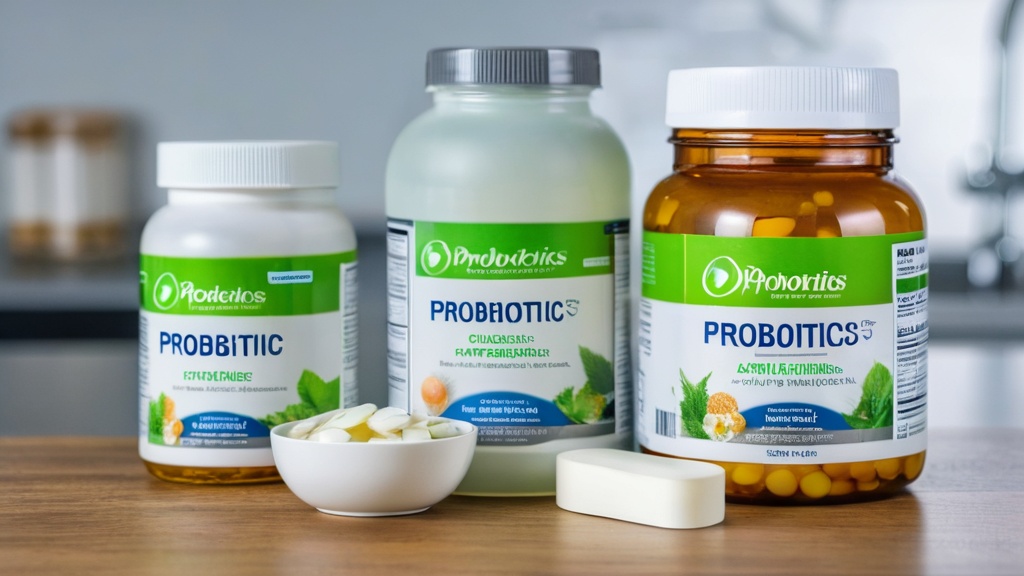

Boost Athletic Recovery with Probiotics
- February 28, 2026
- 0
Imagine your body as a high-performance machine. Every athlete knows recovery is key. What if a tiny, unseen helper could supercharge that process? This helper lives in your


Imagine your body as a high-performance machine. Every athlete knows recovery is key. What if a tiny, unseen helper could supercharge that process? This helper lives in your
Imagine your body as a high-performance machine. Every athlete knows recovery is key. What if a tiny, unseen helper could supercharge that process? This helper lives in your gut. Let’s explore how probiotics might revolutionize your athletic recovery.
Your gut hosts trillions of microorganisms. This community is called your microbiome. A balanced microbiome is vital for overall health. For athletes, its role extends to performance and recovery.
Gut health influences how you absorb nutrients. It also impacts your immune system. A healthy gut can optimize these functions. This directly aids your athletic efforts.
Athletes are always on the lookout for effective recovery strategies, and while probiotics have gained attention for their potential benefits, other recovery tools are also worth exploring. For instance, cold exposure and heat therapy have been shown to enhance recovery and reduce muscle soreness. To learn more about these recovery methods, you can read the article on cold exposure and heat therapy recovery tools explained at this link.
Probiotics are live microorganisms. They offer health benefits when consumed. For athletes, these benefits center on specific areas. They can bolster your body’s recovery systems.
Think of probiotics as tiny repair crews. They work silently within your digestive tract. Their actions contribute to faster healing and reduced downtime. This helps you get back to training sooner.
Intense exercise causes inflammation. This is a natural bodily response. However, excessive inflammation hinders recovery. Probiotics can help modulate this response.
Certain probiotic strains mitigate inflammatory markers. For example, Bacillus subtilis DE111 reduced TNF-alpha in athletes (2018 study). This suggests a role in calming the body’s inflammatory cascade. Less inflammation means faster healing.
Efficient nutrient absorption fuels recovery. Your gut health dictates this efficiency. Probiotics can improve your gut’s ability to absorb vital nutrients.
This means you get more from your food and supplements. Key nutrients for muscle repair are absorbed better. This optimized absorption supports faster tissue regeneration. It’s like ensuring your machine gets the most potent fuel.
Athletes often face immune system challenges. Strenuous training can temporarily suppress immunity. Probiotics offer a shield against this vulnerability.
A 2025 meta-analysis highlights this benefit. Probiotics reduced infections, maintaining training continuity. A strong immune system keeps you healthy. This allows consistent training and fewer interruptions.
Recovery and performance are intimately linked. Faster recovery often leads to better performance. Probiotics also directly contribute to athletic prowess. They optimize several key physiological processes.
A 2025 review noted probiotics can boost performance. This occurs through various strain-specific effects. These include improvements in inflammation, gut barrier function, and metabolism. The benefits vary by sport and dose.
Oxygen is crucial for endurance athletes. VO₂ max measures your body’s oxygen use. Some probiotics show promise in enhancing this metric.
Specifically, Bifidobacterium lactis BL-99 improved VO₂ max in skiers. This was highlighted in a 2025 review. Maximizing oxygen delivery and use gives you an edge. It allows your muscles to work harder, longer.
Intense exercise generates oxidative stress. This can damage cells and tissues. Probiotics can act as internal antioxidants. They help neutralize these damaging free radicals.
A 2025 study demonstrated this with Lactobacillus plantarum. This probiotic enhanced performance by cutting oxidative stress. Less damage means your body spends less energy on repair. This frees up energy for recovery and performance.
Many athletes seek sustained energy. Probiotics can contribute to this endurance. They may improve energy metabolism and fuel utilization.
The 2025 meta-analysis observed performance gains. These gains were strongest in endurance activities. Aerobic performance showed a significant improvement. This suggests probiotics help you go the distance.

Not all probiotics are created equal. Different strains offer different benefits. Selecting the right one is crucial for athletes. Consider your specific needs and goals.
Think of probiotics as specialized tools. You wouldn’t use a wrench for every task. Similarly, choose a probiotic strain aligned with your athletic objectives.
Research consistently emphasizes strain specificity. A particular strain might target gut barrier function. Another might focus on inflammation. For example, Lactobacillus plantarum showed benefit for oxidative stress.
Check the product label for specific strains. Look for names like Lactobacillus plantarum or Bifidobacterium lactis. The “2025 Meta-Analysis” mentioned specific strains like Lactobacillus plantarum being effective.
The amount of probiotics matters. This is measured in Colony Forming Units (CFU). Higher doses often show more pronounced effects.
The 2025 meta-analysis favored medium to high doses. These ranged from 10^9 to 10^11+ CFU. Look for products with a robust CFU count. Consistency in dosing is also important.
Always choose probiotics from reputable brands. Product quality and integrity are vital. Look for third-party certifications if available.
This ensures the product contains what it claims. It also verifies the absence of contaminants. Your health and performance depend on reliable supplementation.
Recent studies have highlighted the potential benefits of probiotics in enhancing athletic recovery, suggesting that these beneficial bacteria may play a crucial role in reducing inflammation and improving gut health. For a deeper understanding of how probiotics can aid athletes in their recovery process, you can explore this informative article on the topic. It provides valuable insights into the mechanisms behind probiotics and their impact on performance and recovery. To read more about it, visit this article for further details.
| Metric | Value | Unit | Notes |
|---|---|---|---|
| Reduction in Muscle Soreness | 20-30 | % | Reported decrease in delayed onset muscle soreness (DOMS) after probiotic supplementation |
| Inflammation Marker (CRP) Reduction | 15-25 | % | Lower C-reactive protein levels indicating reduced inflammation |
| Recovery Time Improvement | 10-15 | % | Faster recovery time between training sessions |
| Immune Function Enhancement | 30-40 | % | Improved immune response reducing illness-related downtime |
| Gut Microbiota Diversity Increase | 12-18 | % | Enhanced diversity linked to better nutrient absorption and recovery |
| Typical Probiotic Dose | 10-20 | billion CFU/day | Common dosage range used in athletic recovery studies |
Adding probiotics is simple. You can take them as supplements. Fermented foods also naturally contain probiotics. Consistency is key to experiencing benefits.
Make it a daily habit, like brushing your teeth. This steady input helps maintain a healthy gut microbiome. Over time, you build a stronger internal system.
Probiotic supplements come in various forms. Capsules, powders, and liquids are common. Choose a form that suits your lifestyle.
Take supplements as directed by the manufacturer. Often, taking them with food is recommended. This helps the live cultures survive stomach acid.
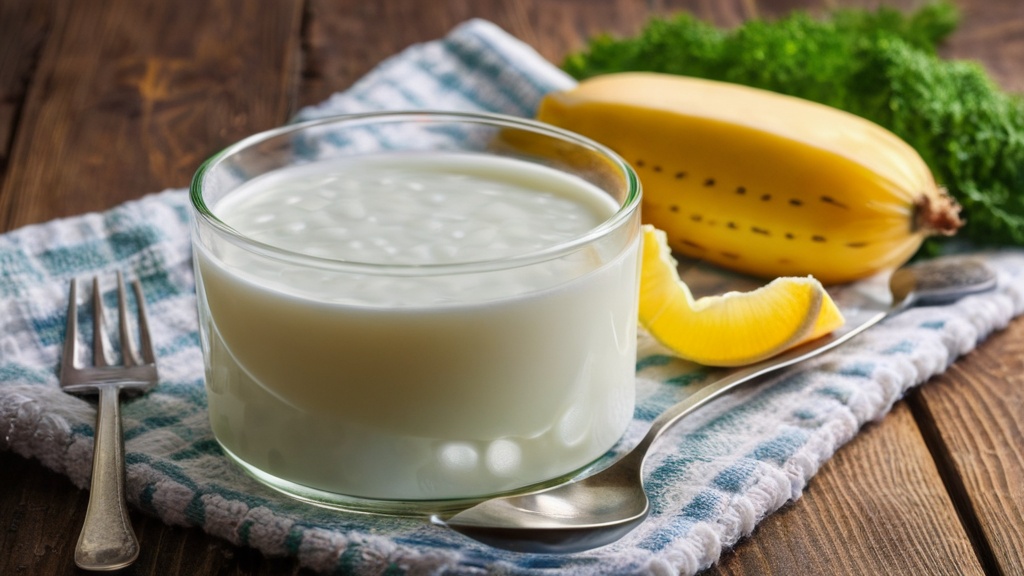
Fermented foods are a natural source. Examples include yogurt, kefir, sauerkraut, and kimchi. These foods offer diverse probiotic strains.
Incorporating these into your diet is delicious. They also provide other beneficial nutrients. Just be mindful of sugar content in some yogurts.
For probiotics to work, you need to take them regularly. Their effects are cumulative. You might not see immediate changes.
Persistence pays off. Think of it like training. Small, consistent efforts lead to significant results over time.
The world of sports nutrition is evolving rapidly. Microbiome optimization is a top trend for 2026. This trend highlights the growing recognition of gut health’s impact.
Researchers continue to uncover new connections. The gut microbiome is a frontier in athletic science. Expect more exciting discoveries in this area.
Future approaches may involve personalized probiotics. Tailored recommendations based on an individual’s microbiome profile. This could unlock even greater benefits.
Imagine a roadmap unique to your gut. This guide points to specific strains for your athletic goals. This bespoke approach promises enhanced efficacy.
Beyond athletic recovery, probiotics offer general health advantages. A healthy gut impacts mood, digestion, and systemic well-being. These factors indirectly support athletic endeavors.
Less anxiety and stress contribute to better performance. Improved digestion means more comfortable training. It’s a holistic approach to athlete care.
While probiotics offer many benefits, they are not a magic bullet. They complement a healthy lifestyle. Always prioritize good nutrition, sufficient sleep, and proper training.
Probiotics support your body’s natural processes. They enhance, rather than replace, fundamental health practices. Think of them as an amplifier for your efforts.
Before starting any new supplement, consult a healthcare provider. This is especially true if you have underlying health conditions. Your doctor can offer personalized advice.
They can help determine if probiotics are suitable for you. They can also advise on specific strains or dosages. This ensures safety and effectiveness.
Pay attention to how your body responds. Everyone is unique. What works for one athlete might not work for another. Adjust your approach as needed.
Observe any changes in digestion, recovery, or performance. Keep a training log. This helps you track potential benefits or side effects.
Probiotics enhance your training, they do not replace it. Consistent, smart training remains the cornerstone of athletic success. Probiotics support your body’s ability to handle that training.
They are a tool in your athletic toolbox. Use them strategically. Combine them with dedication and hard work for optimal results.
The connection between your gut and athletic performance is profound. Probiotics offer a compelling pathway to boosting recovery. They also enhance key aspects of athletic performance. From reducing inflammation to improving oxygen use, their benefits are diverse.
Consider incorporating specific strains like Lactobacillus plantarum or Bifidobacterium lactis. Aim for doses between 10^9 and 10^11+ CFU daily. Remember, consistency is your best friend. Consult a professional for personalized advice. By optimizing your gut health, you empower your body. You unlock new levels of recovery and performance. Give your inner athlete the support it deserves.
Probiotics are live microorganisms, often referred to as “good” bacteria, that can provide health benefits when consumed in adequate amounts. For athletes, probiotics may support recovery by improving gut health, enhancing nutrient absorption, and reducing inflammation, which can help the body repair and rebuild after intense exercise.
Some studies suggest that probiotics may help reduce exercise-induced muscle soreness by modulating the immune response and decreasing inflammation. However, more research is needed to confirm the extent of these benefits specifically for muscle recovery.
Common probiotic strains that have been studied for athletic recovery include Lactobacillus and Bifidobacterium species. These strains may help improve gut barrier function and reduce gastrointestinal issues, which can be beneficial during intense training and competition.
Athletes can incorporate probiotics through dietary sources such as yogurt, kefir, sauerkraut, and other fermented foods, or through dietary supplements. It is important to choose products with clinically studied strains and to maintain consistent intake for potential benefits.
Probiotics are generally considered safe for most people, including athletes. However, some individuals may experience mild digestive symptoms such as gas or bloating when starting probiotics. Those with compromised immune systems or serious health conditions should consult a healthcare professional before use.