Nutrition significantly impacts overall health and well-being. Many individuals face barriers to accessing affordable, nutritious food options. This limitation frequently contributes to suboptimal dietary choices, which may lead
Nutrition significantly impacts overall health and well-being. Many individuals face barriers to accessing affordable, nutritious food options. This limitation frequently contributes to suboptimal dietary choices, which may lead to chronic health conditions.
Learning to maintain adequate nutrition within budget constraints is important for public health. Affordable nutrition enables people to select healthier foods without financial strain. Improved dietary intake supports better physical health outcomes and contributes to mental health benefits.
Prioritizing nutrition can enhance quality of life and potentially decrease long-term healthcare expenditures.
Key Takeaways
Affordable nutrition is essential for maintaining health without overspending.
Planning meals and shopping smartly can significantly reduce grocery costs.
Utilizing seasonal produce and affordable protein sources helps stretch the food budget.
Cooking in bulk and meal prepping save both time and money while promoting healthy eating.
Using coupons, discounts, and making mindful choices at restaurants supports budget-friendly nutrition.
Planning Meals on a Budget
Meal planning serves as a powerful tool for those looking to save money while eating healthily. By organizing meals in advance, you can avoid impulse purchases and reduce food waste. Start by creating a weekly menu that incorporates affordable ingredients.
Consider using a variety of recipes that utilize similar ingredients. This approach maximizes your grocery budget and minimizes waste. Additionally, planning meals around sales and seasonal produce can lead to significant savings.
Shopping Smart: Tips for Saving Money at the Grocery Store
Grocery shopping can quickly become expensive if you’re not careful. To save money, always create a shopping list before heading to the store. Stick to this list to avoid unnecessary purchases that can inflate your bill.
Another effective strategy is to shop the perimeter of the store first. Fresh produce, dairy, and meats typically line the outer aisles. These items often provide healthier options compared to processed foods found in the center aisles.
Making the Most of Seasonal Produce
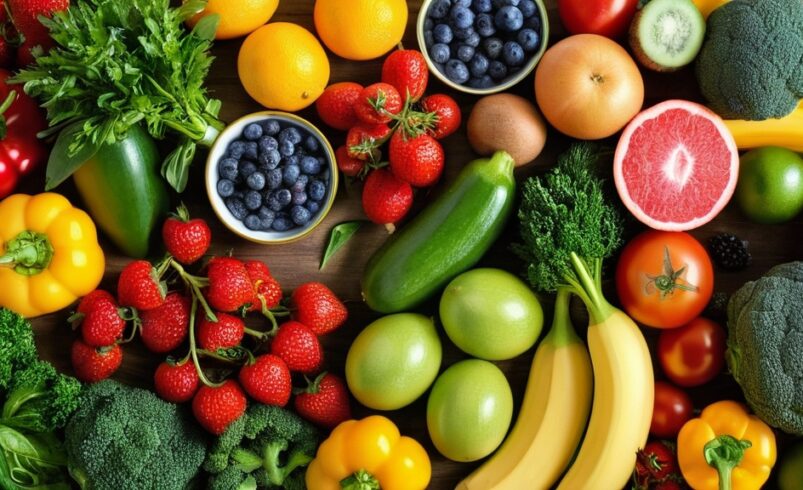
Seasonal produce offers both flavor and affordability. Fruits and vegetables in season tend to be fresher and cheaper than out-of-season options. Research local farmers’ markets or grocery store sales to find what’s currently in season.
Incorporating seasonal produce into your meals can enhance nutrition and variety. Try experimenting with new recipes that highlight these ingredients. This approach not only saves money but also supports local farmers and reduces your carbon footprint.
Affordable Protein Sources
Metric
Description
Value
Unit
Average Cost per Meal
Typical expense for a nutritious meal
2.50
USD
Daily Caloric Intake
Recommended calories for balanced nutrition
2000
kcal
Protein Content
Average protein per affordable meal
25
grams
Fiber Content
Average fiber per affordable meal
8
grams
Vitamin A
Percentage of daily value in affordable meals
50
% DV
Iron
Percentage of daily value in affordable meals
40
% DV
Cost Efficiency
Nutrition per unit cost
800
kcal per USD
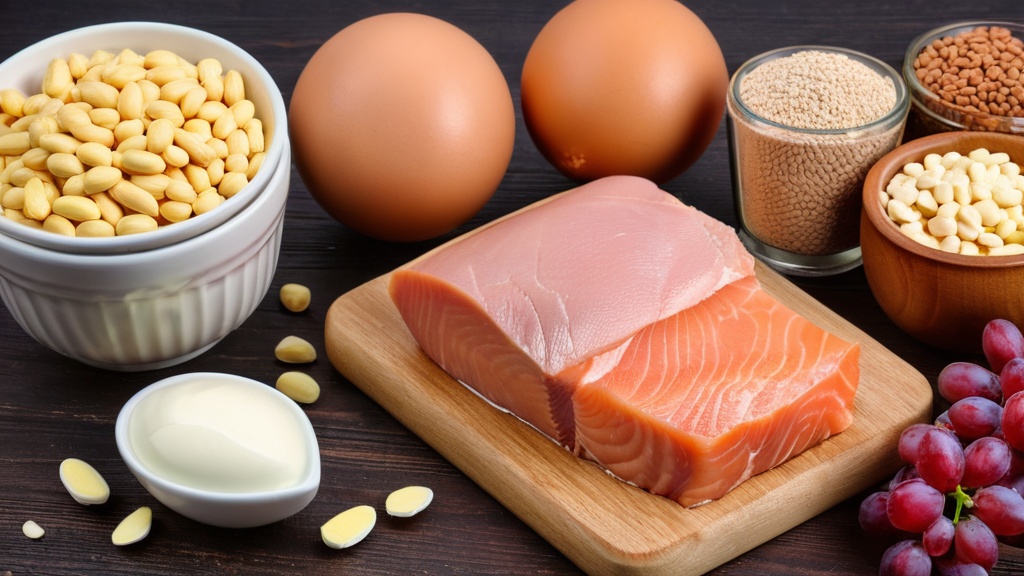
Protein is essential for maintaining muscle mass and overall health. However, high-quality protein sources can be pricey. Fortunately, many affordable options exist that provide the necessary nutrients without straining your budget.
Legumes, such as beans and lentils, are excellent protein sources that are also inexpensive. Eggs offer a versatile and affordable protein option as well. Additionally, consider incorporating canned fish or poultry into your meals for a budget-friendly protein boost.
Cooking in Bulk: Saving Time and Money
Cooking in bulk can significantly reduce both time and expenses in the kitchen. Preparing large batches of meals allows you to take advantage of bulk pricing on ingredients. You can freeze leftovers for future meals, ensuring you always have healthy options on hand.
Choose recipes that freeze well, such as soups, stews, or casseroles. This strategy not only saves money but also simplifies meal preparation during busy weeks. With a little planning, you can enjoy nutritious meals without the daily cooking hassle.
Budget-Friendly Snack Ideas
Snacking can derail your budget if you’re not careful about your choices. Instead of reaching for expensive pre-packaged snacks, consider healthier alternatives that are easy on your wallet. Fresh fruits and vegetables make excellent snacks when paired with dips like hummus or yogurt.
Homemade popcorn is another affordable snack option that provides fiber and satisfaction. You can also prepare energy bites using oats, nut butter, and honey for a quick energy boost. These snacks keep you full without emptying your wallet.
Making Healthy Choices at Fast Food and Chain Restaurants
Eating out doesn’t have to mean sacrificing nutrition for convenience. Many fast food and chain restaurants now offer healthier menu options. Look for grilled items instead of fried ones, and choose salads with lean proteins.
Pay attention to portion sizes as well. Many restaurants serve larger portions than necessary, leading to overeating. Consider sharing meals or opting for smaller sizes to maintain a balanced diet while dining out.
Utilizing Coupons and Discounts for Nutritious Foods
Coupons and discounts can significantly lower your grocery bills if used wisely. Many stores offer digital coupons that you can easily access through their apps or websites. Take advantage of these offers to save on nutritious foods.
Additionally, consider joining loyalty programs at your favorite grocery stores. These programs often provide exclusive discounts on healthy items. By combining coupons with sales, you can maximize your savings while prioritizing nutrition.
The Benefits of Meal Prepping for a Budget-Friendly Lifestyle
Meal prepping has gained popularity for good reason. It allows you to plan and prepare meals in advance, saving both time and money. By dedicating a few hours each week to meal prep, you can ensure you have healthy options ready when hunger strikes.
This practice also helps you avoid last-minute takeout or unhealthy snacks. With pre-portioned meals in the fridge, you can maintain better control over your diet. Ultimately, meal prepping supports a budget-friendly lifestyle while promoting healthier eating habits.
Prioritizing Nutrition on a Budget
Eating well on a budget is entirely achievable with the right strategies in place. By planning meals, shopping smartly, and utilizing seasonal produce, you can enjoy nutritious foods without overspending. Affordable protein sources and bulk cooking further enhance your ability to maintain a healthy diet.
Incorporating budget-friendly snacks and making informed choices when dining out also contribute to overall wellness. Utilizing coupons and meal prepping can streamline your efforts while keeping costs low. Prioritizing nutrition on a budget leads to better health outcomes and improved quality of life for everyone involved.
FAQs
What is affordable nutrition?
Affordable nutrition refers to the practice of obtaining a balanced and healthy diet without spending excessive amounts of money. It involves choosing nutrient-rich foods that provide essential vitamins, minerals, and energy at a reasonable cost.
Why is affordable nutrition important?
Affordable nutrition is important because it ensures that individuals and families can maintain good health and prevent nutrition-related diseases without financial strain. It promotes overall well-being and supports sustainable eating habits.
How can I eat healthily on a budget?
You can eat healthily on a budget by planning meals, buying seasonal and local produce, choosing whole grains and legumes, cooking at home, and minimizing processed and convenience foods. Shopping sales and using coupons can also help reduce costs.
What are some affordable sources of protein?
Affordable protein sources include beans, lentils, eggs, canned fish, peanut butter, tofu, and certain cuts of poultry or meat. These options provide essential amino acids without high costs.
Are frozen and canned fruits and vegetables good options for affordable nutrition?
Yes, frozen and canned fruits and vegetables are nutritious, often just as healthy as fresh options, and usually more affordable. They have a longer shelf life, reducing food waste and making it easier to maintain a balanced diet.
Can affordable nutrition meet all dietary needs?
Yes, with careful planning, affordable nutrition can meet all dietary needs. It involves selecting a variety of foods to ensure adequate intake of macronutrients and micronutrients necessary for health.
What role does meal planning play in affordable nutrition?
Meal planning helps reduce food waste, avoid impulse purchases, and make efficient use of ingredients. It allows for better budgeting and ensures balanced meals, making nutrition more affordable.
Is it possible to follow special diets affordably?
Yes, special diets such as vegetarian, vegan, or gluten-free can be followed affordably by focusing on whole foods, bulk buying, and preparing meals at home rather than relying on specialty processed products.
How can I reduce food waste to support affordable nutrition?
To reduce food waste, store food properly, use leftovers creatively, plan meals ahead, and buy only what you need. This helps save money and ensures that purchased food contributes to nutrition.
Where can I find resources or assistance for affordable nutrition?
Resources include government nutrition programs, community food banks, nutrition education workshops, and online guides from reputable health organizations. These can provide support and information on maintaining affordable nutrition.