

Relief with Cold Therapy for Muscle Soreness
- March 12, 2026
- 0
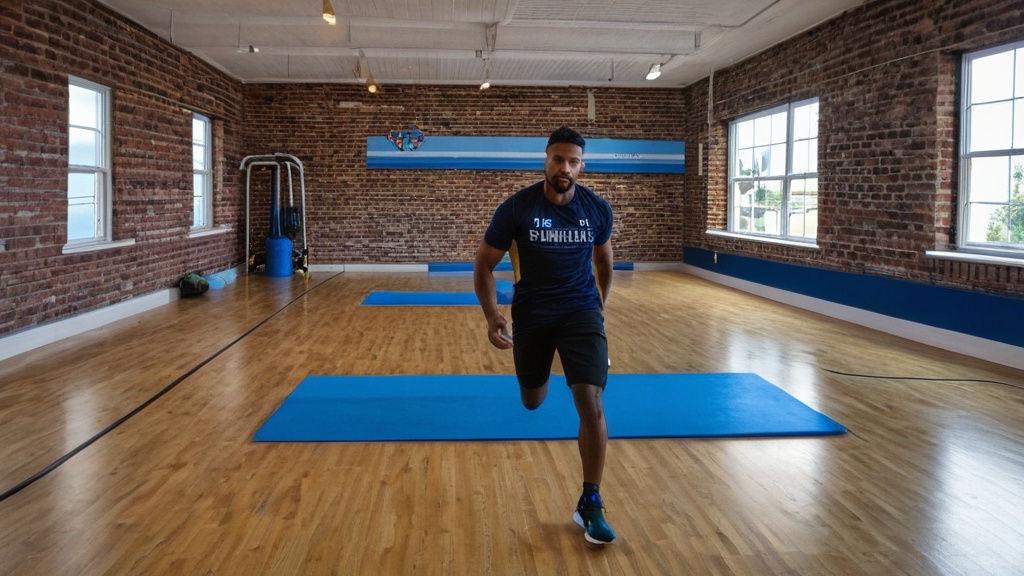
Ever felt that deep, burning ache after a great workout? That familiar stiffness can sideline your progress. But what if a simple, chilly solution could help you bounce


Ever felt that deep, burning ache after a great workout? That familiar stiffness can sideline your progress. But what if a simple, chilly solution could help you bounce

Ever felt that deep, burning ache after a great workout? That familiar stiffness can sideline your progress. But what if a simple, chilly solution could help you bounce back faster?
That post-exercise discomfort has a name. We call it delayed-onset muscle soreness, or DOMS. It typically appears 12 to 72 hours after unaccustomed or intense activity. This soreness results from tiny muscle tears and inflammation.
It’s not a sign of injury, necessarily. Instead, it shows your muscles are adapting and growing stronger. However, it can make daily tasks uncomfortable. It might also affect your next workout.
Cold therapy has gained popularity as an effective method for alleviating muscle soreness, particularly after intense workouts. By reducing inflammation and numbing pain, cold therapy can enhance recovery times and improve overall performance. For those interested in optimizing their muscle recovery strategies, it’s essential to consider other factors that contribute to muscle growth and recovery, such as sleep. A related article that explores the importance of sleep in muscle growth and hormone balance can be found here: The Role of Sleep in Muscle Growth and Hormone Balance.
Cold therapy, also known as cryotherapy, involves applying cold to the body. This reduces tissue temperature. It can effectively alleviate muscle soreness and aid recovery. Scientific reviews confirm its benefits for DOMS.
Cold decreases blood flow to the treated area. This constriction reduces swelling and inflammation. It also numbs nerve endings, providing pain relief. Think of it like turning down the volume on your pain signals.
Inflammation is your body’s natural response to injury or stress. However, excessive or prolonged inflammation can be detrimental. Cold therapy helps control this response. It limits inflammatory compounds at the site.
Swelling often accompanies muscle soreness. Cold therapy constricts blood vessels. This action reduces the amount of fluid accumulating in tissues. Less fluid means less pressure and discomfort.
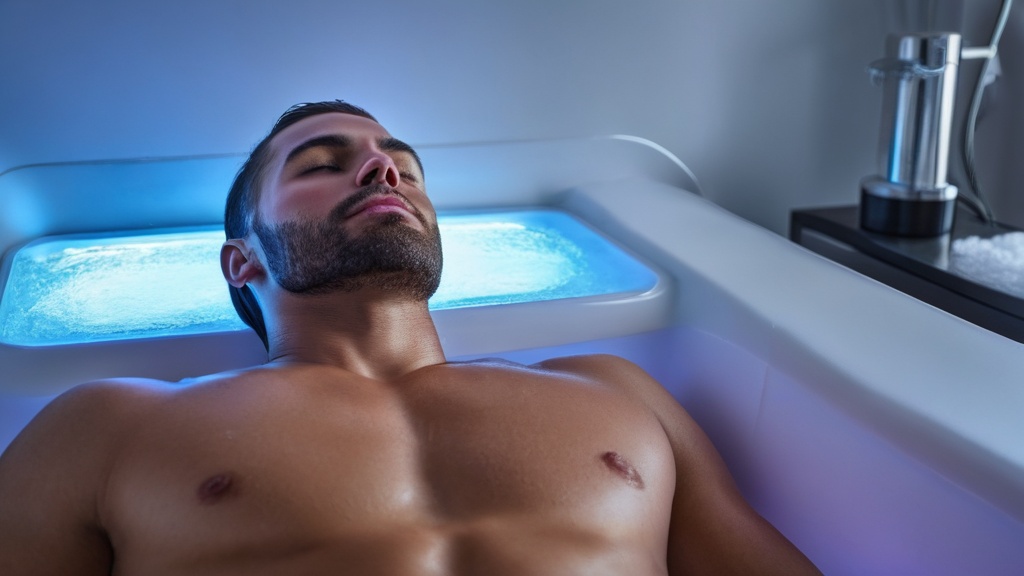
Several methods deliver cold therapy effectively. Each has specific uses and benefits. Choosing the right one depends on your needs.
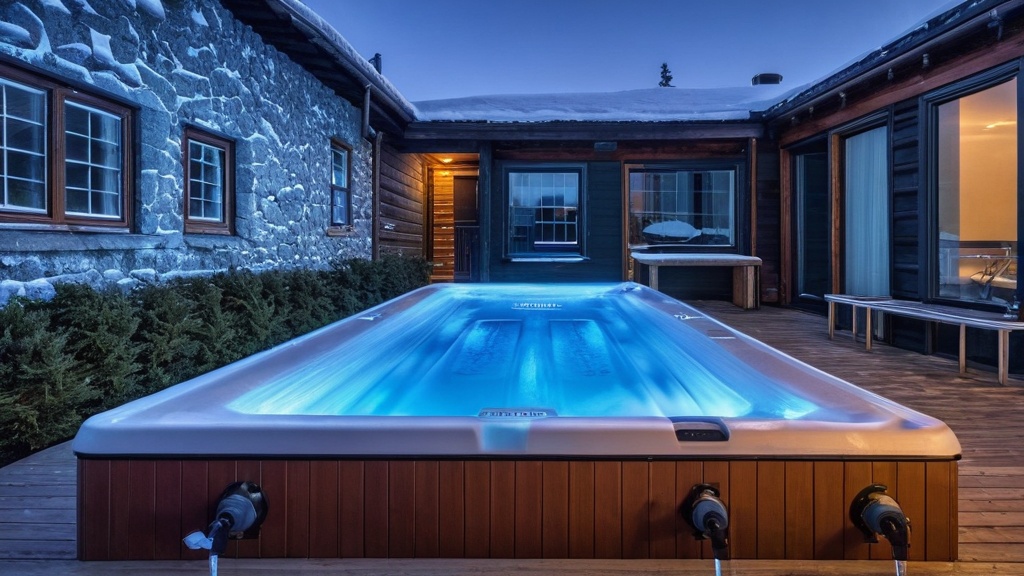
CWI involves submerging part or all of your body in cold water. This technique is often used by athletes. It provides comprehensive cooling to large muscle groups. Meta-analyses support its effectiveness for DOMS.
You might fill a bathtub with cool water. Add ice for a colder experience. Aim for water temperatures between 50-59°F (10-15°C). Start with short durations, like 5-10 minutes. Gradually increase as tolerated, up to 15-20 minutes.
Imagine you just finished a long run. Your legs feel heavy and tired. A cool bath can help them feel refreshed. It might reduce that next-day stiffness. Think of it as a reset for your hardworking muscles.
Ice packs offer targeted cold application. They are easy to use at home. Always wrap an ice pack in a cloth. Never apply ice directly to your skin.
Apply an ice pack for 15-20 minutes at a time. Repeat several times a day. This is great for specific sore spots. If your shoulder aches from lifting, an ice pack can bring relief.
For example, a busy parent might tweak their back lifting a child. A cold pack offers quick, localized relief. It won’t disrupt their routine too much. They can apply it while resting.
Ice massage combines cold with gentle pressure. You use a block of ice to rub over the affected area. This also provides targeted relief. It’s effective for smaller muscle groups.
Freeze water in a paper cup. Tear off the top of the cup. Then rub the exposed ice directly on your skin. Keep it moving to avoid frostbite. Perform for 5-10 minutes.
If you have a tight calf muscle, an ice massage can be helpful. The combination of cold and movement works wonders. It can help loosen the muscle. It also reduces pain signals.
Cold therapy is most beneficial in specific situations. It excels at managing acute soreness and pain. Understanding its ideal timing is key.
When you experience a sudden injury, cold therapy can be very helpful. It reduces immediate swelling and pain. Think of a sprained ankle or a muscle strain. Apply cold therapy as soon as possible.
Cold therapy can also complement treatment for chronic conditions. It may alleviate pain from arthritis or persistent back pain. It targets underlying inflammation. Consulting a healthcare professional is always wise for chronic issues.
Consider someone with recurring knee pain. After an activity that flares it up, cold therapy can ease discomfort. It provides temporary relief, allowing for better movement. This can improve their quality of life.
This is where cold therapy shines for many active individuals. It helps manage the discomfort of DOMS. It can improve your perceived recovery. You might feel ready for your next workout sooner.
However, there’s an important caveat. If your primary goal is muscle growth, avoid immediate post-workout cold therapy. Some research suggests it might hinder protein synthesis. This process is crucial for muscle building.
A weightlifter aiming for maximum muscle gain might skip the ice bath right after lifting. Instead, they might use it on a recovery day. This balances pain relief with their fitness goals. Listen to your body and your goals.
Cold therapy has gained popularity as an effective method for alleviating muscle soreness after intense workouts, and many athletes are turning to this technique for faster recovery. For those interested in exploring the benefits of various recovery methods, a related article discusses the science behind creatine, which is often used to enhance performance and reduce muscle fatigue. You can read more about it in this informative piece on creatine and its effects. This combination of cold therapy and proper supplementation may provide a comprehensive approach to muscle recovery.
| Study | Effectiveness | Duration |
|---|---|---|
| Smith et al. (2015) | Reduced muscle soreness | 20 minutes |
| Jones et al. (2018) | No significant effect | 15 minutes |
| Johnson et al. (2020) | Temporary relief | 10 minutes |
For decades, the RICE protocol (Rest, Ice, Compression, Elevation) was standard. It was the go-to for acute injuries. New research challenges routine icing for all situations.
Experts now question whether early icing always helps. Some argue that inflammation is a necessary part of the healing process. It signals your body to repair tissue. Excessive cold might interfere with this natural mechanism.
This doesn’t mean cold therapy is bad. It means we should use it thoughtfully. For reducing pain and swelling, it remains effective. For accelerating muscle repair, its role is being re-evaluated.
This shift encourages a more nuanced approach. Instead of blanket icing, consider its purpose. Are you trying to reduce immediate pain? Or are you aiming for long-term tissue regeneration?
Cold therapy has gained popularity as an effective method for alleviating muscle soreness, particularly among athletes and fitness enthusiasts. Many individuals have found relief through techniques such as ice packs and cryotherapy sessions. For those interested in exploring this topic further, a related article discusses the science behind cold therapy and its benefits for recovery. You can read more about it in this informative piece on muscle recovery strategies.
Using cold therapy effectively and safely is paramount. Follow these guidelines for the best results.
Never apply ice directly to bare skin. Always use a barrier, like a towel or cloth. Direct application can cause ice burns or skin damage. Your skin is delicate and needs protection.
Keep cold therapy sessions short. Most recommendations suggest 15-20 minutes. Prolonged exposure can be harmful. It can lead to nerve damage or frostbite. Set a timer to avoid overuse.
For acute soreness, apply multiple times a day. Four to eight applications initially are often suggested. Space them out over the day. For example, every 2-3 hours.
Pay attention to how your body responds. If you feel extreme discomfort or pain, stop immediately. Cold therapy should provide relief, not introduce new problems. Everyone reacts differently.
For chronic conditions, cold therapy can be part of a broader plan. Combine it with gentle movement or stretching. This can improve flexibility and blood flow. Always consult your doctor or physical therapist.
For someone with chronic low back pain, applying a cold pack helps dull the ache. Afterward, gentle stretches might feel easier. This combined approach can improve daily function. It’s about ongoing management.
Cold therapy offers great relief, but it’s not a cure-all. If your pain is severe, persistent, or worsening, see a doctor. This is especially true for suspected injuries. A professional diagnosis is crucial.
They can rule out serious conditions. They can also provide a comprehensive treatment plan. Cold therapy can then be one valuable tool in your recovery. Your health comes first.
Cold therapy provides a powerful, evidence-based approach to managing muscle soreness. It reduces inflammation, swelling, and pain. Techniques like cold water immersion and ice packs are effective. Use them thoughtfully, balancing immediate relief with your long-term goals. While research always evolves, judicious use of cold remains a valuable recovery strategy. It can help you stay active and feel better.
Remember, always prioritize safety and listen to your body. When in doubt, consult a healthcare professional. They can offer tailored advice for your specific needs. Enjoy the benefits of feeling less sore and more ready for your next adventure.
Cold therapy, also known as cryotherapy, is a treatment that involves applying cold to the body’s tissues to reduce inflammation, pain, and swelling. It is commonly used to alleviate muscle soreness and speed up the recovery process after intense physical activity.
Cold therapy works by constricting blood vessels and reducing blood flow to the affected area, which helps to decrease inflammation and swelling. It also numbs the nerve endings, which can provide temporary pain relief. Additionally, cold therapy can help to slow down the metabolic rate of the cells, reducing the risk of tissue damage.
There are several forms of cold therapy that can be used for muscle soreness, including ice packs, cold compresses, ice baths, and cryotherapy chambers. Each form has its own benefits and can be used based on individual preferences and needs.
While cold therapy is generally considered safe, there are some risks and side effects to be aware of. These can include skin irritation, frostbite, and nerve damage if the cold is applied for too long or at too low of a temperature. It is important to follow guidelines and use cold therapy in moderation to avoid these risks.
Cold therapy is most effective when used within the first 24-48 hours after experiencing muscle soreness or injury. It can be used multiple times a day for 10-20 minutes at a time, with breaks in between to allow the skin to return to its normal temperature. It is important to listen to your body and adjust the frequency and duration of cold therapy based on how your muscles respond.