Feeling stuck on your fitness journey? Perhaps your gains have plateaued. You might be considering performance enhancers. Creatine is well-known, but it’s not for everyone. Let’s explore some other powerful options.
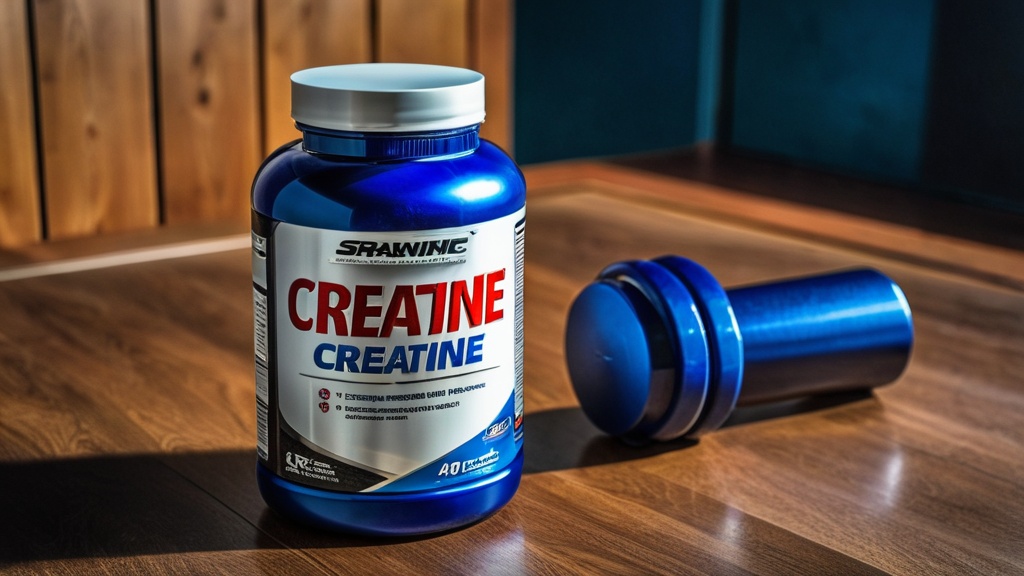
Creatine is an organic compound. Your body makes it naturally. It stores energy in your muscles. This energy powers short bursts of activity. Think of sprinting or lifting weights.
Creatine helps produce adenosine triphosphate (ATP). ATP is your body’s energy currency. More creatine means more ATP available. This translates to better athletic performance.
For those exploring creatine alternatives to enhance their fitness regimen, understanding the role of sleep in muscle growth and hormone balance is crucial. Adequate sleep not only aids recovery but also optimizes the body’s natural anabolic processes. To delve deeper into this topic, you can read the article on the importance of sleep for muscle development and hormonal health at this link.
Why Seek Alternatives?
Some people avoid creatine. They may experience side effects. Bloating or stomach upset can occur. Others have dietary restrictions. Vegans, for example, might avoid it.
Personal preference also plays a role. Some simply dislike taking supplements. They prefer natural approaches. Finding alternatives broadens your options.
Natural Performance Enhancers

Many natural compounds boost performance. They work in various ways. Some increase energy. Others reduce fatigue. Let’s explore these natural powerhouses.
Beta-Alanine: Your Muscle Endurance Ally
Beta-alanine is an amino acid. It combines with histidine. This forms carnosine in muscles. Carnosine buffers lactic acid. It delays muscle fatigue.
Imagine a car’s radiator. Carnosine is like that radiator. It prevents your engine (muscles) from overheating. This allows you to push harder. One study by Hoffman et al. (2006) in Medicine & Science in Sports & Exercise demonstrated improved exercise performance.
How Beta-Alanine Works
When you exercise intensely, lactic acid builds up. This causes the burning sensation. Carnosine neutralizes this acid. Your muscles can work longer. This leads to more reps or sustained effort.
Incorporating Beta-Alanine
You can find beta-alanine in poultry and meat. Supplementation is also an option. A typical dose is 2-5 grams daily. Some people experience a tingling sensation. This is harmless and temporary.
Citrulline Malate: Boosting Blood Flow and Recovery
Citrulline malate is an amino acid compound. It converts to L-arginine in the body. L-arginine creates nitric oxide. Nitric oxide relaxes blood vessels.
Think of it as opening a superhighway. More blood flows to your muscles. This delivers more oxygen and nutrients. It also removes waste products faster. Perez-Guisado & Jakeman (2010), in the Journal of Strength and Conditioning Research, found it reduced muscle soreness.
The Science Behind Citrulline Malate
Increased blood flow equals better performance. Your muscles get what they need. This also speeds up recovery. Less soreness means you can train again sooner.
Adding Citrulline Malate to Your Routine
Watermelon is a natural source. Supplements are another option. A common dose is 6-8 grams. Take it before your workout.
Betaine Anhydrous: Powering Strength and Power
Betaine anhydrous is a derivative of choline. It supports cellular hydration. It also helps with methylation processes. This plays a role in energy production.
Consider betaine as a lubricant. It helps your cellular machinery run smoothly. It optimizes various body functions. A study by Cholewa et al. (2013) published in the Journal of the International Society of Sports Nutrition showed increased power output.
Betaine’s Mechanism of Action
Betaine helps maintain cell volume. It acts as an osmolyte regulator. This means cells are properly hydrated. Hydrated cells function more efficiently. It may also aid in creatine synthesis.
Dietary Sources and Supplementation
Spinach, beets, and quinoa contain betaine. Supplement doses are usually 1.25-2.5 grams. Divide the dose into two daily servings.
Adaptogens for Enhanced Resilience
Adaptogens are natural substances. They help your body adapt to stress. They promote balance. This leads to improved physical and mental well-being. Think of them as a thermostat for your body. They help regulate its internal environment.
Rhodiola Rosea: Fighting Fatigue and Improving Focus
Rhodiola rosea is a potent adaptogen. It helps reduce fatigue. It enhances mental clarity. It also improves physical endurance. It helps your body manage stress.
Imagine your body as a battery. Stress can drain it quickly. Rhodiola helps your battery last longer. A review by Ishaque et al. (2012) in Phytotherapy Research highlighted its anti-fatigue properties.
How Rhodiola Works
Rhodiola influences neurotransmitters. It modulates stress response hormones. This leads to fewer perceived exertion levels. You feel less tired. Your focus improves.
Integrating Rhodiola
You can find Rhodiola as an extract. Doses typically range from 200-600 mg. Take it in the morning. Consult a healthcare professional first.
Ashwagandha: Reducing Stress and Boosting Strength
Ashwagandha is an ancient Ayurvedic herb. It reduces stress and anxiety. It also improves strength and muscle mass. Some studies suggest it boosts testosterone.
Consider ashwagandha as a gentle embrace for your nervous system. It calms the chaos. Wankhede et al. (2015), in the Journal of the International Society of Sports Nutrition, found it enhanced muscle strength and recovery.
Ashwagandha’s Dual Benefits
It primarily works on the adrenal glands. It lowers cortisol levels. Cortisol is the stress hormone. Lower cortisol helps muscle growth. It also improves recovery.
How to Use Ashwagandha
Ashwagandha root extract is common. Doses range from 300-500 mg. Take it daily. Look for standardized extracts.
If you’re exploring options beyond creatine for enhancing your athletic performance, you might find it interesting to read about various alternatives that can provide similar benefits. One such article discusses natural supplements that can boost energy and improve muscle recovery. You can check it out for more insights on how to optimize your training regimen. For more information, visit this link.
The Power of Amino Acids
| Alternative |
Type |
Primary Benefit |
Typical Dosage |
Common Side Effects |
Effectiveness Compared to Creatine |
| Beta-Alanine |
Amino Acid |
Improves muscular endurance and reduces fatigue |
2-5 grams per day |
Tingling sensation (paresthesia) |
Moderate; different mechanism than creatine |
| BCAAs (Branched-Chain Amino Acids) |
Amino Acids |
Supports muscle recovery and reduces soreness |
5-10 grams before or after exercise |
Generally well tolerated |
Lower; more focused on recovery than strength |
| HMB (Beta-Hydroxy Beta-Methylbutyrate) |
Metabolite of Leucine |
Reduces muscle breakdown and supports muscle growth |
3 grams per day |
Rare; mild gastrointestinal discomfort |
Moderate; beneficial for muscle preservation |
| Citrulline Malate |
Amino Acid Compound |
Enhances blood flow and reduces muscle fatigue |
6-8 grams before exercise |
Generally well tolerated |
Moderate; improves endurance rather than strength |
| Creatine Ethyl Ester |
Creatine Derivative |
Improved absorption compared to creatine monohydrate |
2-3 grams per day |
Possible gastrointestinal discomfort |
Similar to creatine monohydrate but less studied |
| Protein Supplements (Whey, Casein) |
Protein |
Supports muscle repair and growth |
20-40 grams per serving |
Rare; lactose intolerance in some |
Indirect; supports muscle but not energy metabolism like creatine |
Amino acids are building blocks of protein. Proteins are essential for muscle repair. They are vital for growth. Some amino acids have specific performance benefits.
Branched-Chain Amino Acids (BCAAs): Muscle Support and Recovery
BCAAs include leucine, isoleucine, and valine. They are essential amino acids. Your body cannot produce them. You must get them from your diet. They reduce muscle breakdown.
Think of BCAAs as a repair crew for your muscles. They arrive quickly during and after exercise. They fix damage. Gualano et al. (2017) in Amino Acids showed BCAAs reduce exercise-induced muscle damage.
BCAA’s Role in Performance
BCAAs are metabolized in muscle. They directly fuel exercise. Leucine, especially, signals muscle protein synthesis. This is crucial for muscle growth.
Dietary Sources and Supplementation
Lean meats, dairy, and eggs are rich in BCAAs. Supplements are widely available. A common dose is 5-10 grams. Take them around workouts.
L-Carnitine: Fueling Fat for Energy
L-Carnitine transports fatty acids. It moves them into mitochondria. Mitochondria are your cell’s powerhouses. Here, fats are burned for energy. This spares glycogen stores.
Imagine L-Carnitine as a ferry. It carries fat molecules. It transports them to the energy factory. Gaby (2007) in Alternative Medicine Review discussed its potential for improving exercise capacity.
L-Carnitine’s Energy Boost
By using fat, L-Carnitine helps conserve glycogen. Glycogen is your body’s preferred fuel. Sparing it extends endurance. This can improve long-duration activities.
Adding L-Carnitine to Your Diet
Red meat is a good source. Supplements come in various forms. L-Carnitine L-Tartrate is a popular option. Doses are typically 1-3 grams.
Fueling Your Body: Nutrition Basics
Supplements are not magic bullets. They complement a solid foundation. That foundation is good nutrition. Your plate should be your first supplement.
Prioritizing Protein Intake
Protein is crucial for muscle repair. It’s essential for growth. Aim for 1.6-2.2 grams per kilogram of body weight. Distribute intake throughout the day.
Think of protein as the bricks for your muscles. You need new bricks. You need them regularly. Foods like chicken, fish, beans, and lentils are great sources.
Complex Carbohydrates for Sustained Energy
Carbohydrates are your body’s main fuel. Choose complex carbs. They provide sustained energy. They release sugar slowly.
Imagine complex carbs as slow-burning logs. They provide steady heat. Oats, brown rice, and whole grains are excellent choices. They prevent energy crashes.
Healthy Fats for Overall Function
Healthy fats are vital. They support hormone production. They aid nutrient absorption. They also provide energy.
Consider healthy fats as the lubrication for your body’s engine. Avocados, nuts, seeds, and olive oil are beneficial. They keep everything running smoothly.
The Importance of Lifestyle Factors
Supplements and nutrition support your efforts. However, lifestyle choices are paramount. They create the backdrop for success.
Adequate Sleep for Recovery and Growth
Sleep is when your body repairs itself. It’s when muscles grow. Aim for 7-9 hours per night. Prioritize sleep.
Think of sleep as charging your phone. If you don’t charge it fully, it won’t work well. Your body is the same. Prioritize quality sleep. The National Sleep Foundation confirms sleep’s vital role in recovery.
Optimizing Your Sleep Environment
Create a dark, quiet, cool room. Avoid screens before bed. Establish a consistent sleep schedule. This signals your body to rest.
Strategic Hydration
Water is essential for every bodily process. Dehydration impairs performance. It affects recovery. Drink plenty of water throughout the day.
Imagine your body as a garden. It needs water to flourish. Thirsty plants wilt. Thirsty bodies underperform. Aim for 8-10 glasses daily.
Electrolyte Balance
Consider electrolytes during intense workouts. They replace minerals lost through sweat. Coconut water or electrolyte drinks can help. This prevents cramping and fatigue.
Stress Management Techniques
Chronic stress hinders progress. It raises cortisol levels. High cortisol impedes muscle growth. Practice stress-reducing activities.
Think of stress as a leaky faucet. It slowly drains your energy. Mindfulness, meditation, or yoga can help. They conserve your energy. The American Psychological Association highlights stress’s impact on well-being.
Final Actionable Tips
Combine these strategies for best results. No single supplement is a magic bullet. Consistency is key. Listen to your body.
Always choose reputable brands for supplements. Look for third-party testing. This ensures purity and potency. Consult a healthcare professional before starting new supplements. Especially if you have underlying health conditions. Your doctor can offer personalized advice. They can ensure safety.
Remember, your fitness journey is personal. Experiment safely. Find what works for you. Enjoy the process of discovery.
Post Views: 873