

Maximizing Performance with Caffeine
- January 28, 2026
- 0
Imagine a fog lifting from your mind. Suddenly, your thoughts sharpen, and your energy surges. This isn’t magic; it’s often the power of caffeine. This popular stimulant can


Imagine a fog lifting from your mind. Suddenly, your thoughts sharpen, and your energy surges. This isn’t magic; it’s often the power of caffeine. This popular stimulant can
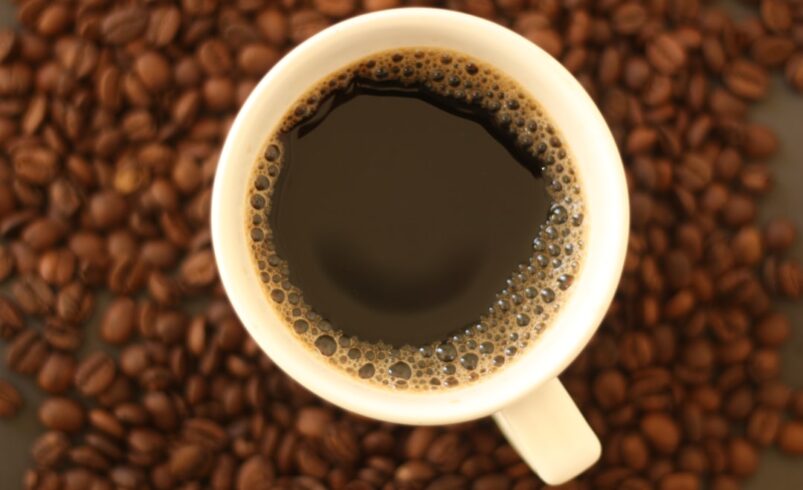
Imagine a fog lifting from your mind. Suddenly, your thoughts sharpen, and your energy surges. This isn’t magic; it’s often the power of caffeine. This popular stimulant can unlock your potential. Let’s explore how to use it wisely for better performance.
Caffeine is a natural compound. It primarily affects your brain. It blocks a chemical called adenosine. Adenosine makes you feel tired. By blocking it, caffeine keeps you alert.
When you consume caffeine, it quickly enters your bloodstream. From there, it travels to your brain. This process usually takes about 15 minutes. The full effects can be felt within an hour.
Caffeine also influences other brain chemicals. It can increase dopamine levels. Dopamine is linked to pleasure and focus. This can boost your mood and motivation.
Caffeine fits into adenosine receptors. Think of it like a key in a lock. Caffeine blocks the keyhole. Adenosine cannot bind there. This prevents the “sleepy signal.”
Not everyone reacts to caffeine the same way. Your genes play a role. Some people metabolize caffeine faster. Others feel its effects longer. This explains why some can drink coffee late. Others need to avoid it after lunch.
Caffeine has long been recognized for its potential to enhance athletic performance, and a related article that delves deeper into this topic can be found at the National Posture and Alignment Network. This article discusses various studies that highlight how caffeine can improve endurance, focus, and overall physical output in athletes. For more insights on this subject, you can read the article here: National Posture and Alignment Network.
Using caffeine strategically can enhance your abilities. Timing and dosage are key. Too much can lead to negative outcomes. Proper use helps you achieve your goals.
For cognitive benefits, take caffeine before a demanding task. This could be studying or a complex project. For physical performance, take it about an hour before exercise. This allows it to peak in your system.
Caffeine significantly impacts sleep. It can delay sleep onset. It also reduces sleep quality. Avoid caffeine close to bedtime. A good night’s sleep is crucial for performance.
What you eat with caffeine matters. Taking it on an empty stomach speeds absorption. Food can slightly delay it. However, some people experience stomach upset without food. Find what works for your digestive system.
Think of a “caffeine window.” This is the period when caffeine is most effective. For most people, this is 1-3 hours after consumption. Plan your tasks within this window.
The amount of caffeine matters greatly. There is no one-size-fits-all dose. Start low and increase gradually. Pay attention to your body’s signals.
For healthy adults, up to 400 milligrams (mg) daily is generally safe. This is about four cups of brewed coffee. Stick to this guideline to avoid side effects. Public health organizations support this range.
Microdosing involves very small amounts. This can be around 50-100 mg. It may offer alertness without jitters. It’s an option for those sensitive to higher doses.
Too much caffeine causes problems. You might experience anxiety and jitters. Insomnia is also common. Heart palpitations can occur. Nausea or digestive issues are possible.
Your body weight plays a part. Tolerance also develops over time. Regular consumption requires more caffeine for the same effect. Your individual sensitivity is the biggest factor.
Caffeine is well-known for boosting athletic output. It enhances endurance and strength. It can also reduce perceived exertion. This makes hard workouts feel easier.
For runners, cyclists, and swimmers, caffeine is a game-changer. It helps you go longer and faster. It mobilizes fat stores for energy. This spares your glycogen reserves.
Weightlifters can benefit too. Caffeine can improve power output. It might help you lift slightly more weight. This can contribute to muscle growth over time.
Caffeine tricks your brain a bit. It makes difficult efforts feel less intense. This allows you to push harder. Your perceived effort is lower.
Caffeine has a mild diuretic effect. This means it can increase urination. However, for moderate consumers, this is usually not significant. Drink plenty of water alongside caffeine.
Caffeine has long been recognized for its ability to enhance athletic performance and improve focus during intense activities. A recent article explores the various ways in which caffeine can impact endurance and strength, shedding light on its effectiveness as a performance booster. For those interested in understanding the science behind these effects, you can read more about it in this insightful piece on caffeine and performance. This resource provides a comprehensive overview of how caffeine influences both physical and cognitive capabilities, making it a valuable read for athletes and fitness enthusiasts alike.
| Metric | Description | Typical Range | Effect on Performance |
|---|---|---|---|
| Caffeine Dosage (mg) | Amount of caffeine consumed | 50 – 400 mg | Improves alertness and focus; higher doses may cause jitters |
| Time to Peak Concentration | Time taken for caffeine to reach peak blood levels | 30 – 60 minutes | Optimal performance boost occurs within this window |
| Half-life (hours) | Time for caffeine concentration to reduce by half | 3 – 5 hours | Determines duration of performance enhancement |
| Reaction Time Improvement (%) | Percentage improvement in reaction time after caffeine intake | 5% – 15% | Enhances cognitive and motor response speed |
| Endurance Performance Increase (%) | Improvement in endurance activities like running or cycling | 7% – 12% | Delays fatigue and improves stamina |
| Maximum Safe Daily Intake (mg) | Recommended upper limit for daily caffeine consumption | 400 mg | Exceeding may cause adverse effects |
While beneficial, caffeine has drawbacks. These are often dose-dependent. Understanding them helps you avoid problems. Smart choices lead to a better experience.
As mentioned, caffeine interferes with sleep. Its half-life can be up to five hours. This means half the dose remains in your system. Avoid it at least six hours before bed.
High doses can cause nervousness. You might feel restless or shaky. If this happens, reduce your intake. Consider a lower-caffeine source.
Some people experience stomach upset. This is especially true on an empty stomach. Try having caffeine with food. Bland foods are often best.
Your body adapts to caffeine. You may need more for the same effect. If you stop suddenly, you might get withdrawal headaches. These typically last a few days.
To avoid withdrawal, taper your intake. Gradually reduce your daily amount. Staying hydrated can help headaches. Over-the-counter pain relievers may offer relief.
Using caffeine smartly is about balance. It’s not about relying on it heavily. It’s about strategic use for specific goals. Think of it as a tool, not a crutch.
Consider cycling your caffeine intake. This means taking breaks. Use caffeine for a few weeks. Then, take a week or two off. This can reset your tolerance.
Different sources have different effects. Coffee, tea, and energy drinks vary. Coffee has a faster onset. Tea offers L-theanine, which can smooth the effects.
Some compounds work well with caffeine. L-theanine in tea is one example. It promotes calm focus. Other supplements may interact. Consult a healthcare professional.
This is the most important tip. Pay attention to how caffeine affects you. If you feel unwell, reduce your intake. Your body’s signals are your best guide.
Remember, caffeine isn’t the only option. Good sleep and nutrition are fundamental. Stress management also plays a key role. Explore these first.
This information is for general knowledge. It is not medical advice. Always consult a healthcare professional for personal guidance.