Optimizing Pre-Workout Nutrition for Peak Performance
December 24, 2025
0
Pre-workout nutrition significantly impacts exercise performance by supplying the body with essential energy substrates. Research demonstrates that appropriate nutrient timing can enhance endurance capacity, muscular strength, and overall
Pre-workout nutrition significantly impacts exercise performance by supplying the body with essential energy substrates. Research demonstrates that appropriate nutrient timing can enhance endurance capacity, muscular strength, and overall training adaptations. Athletes and recreational exercisers who implement strategic pre-exercise nutrition protocols typically experience measurable improvements in workout quality and training outcomes.
Consuming appropriate macronutrients before exercise helps prevent premature fatigue and maintains stable blood glucose levels throughout training sessions. Carbohydrate intake 1-4 hours before exercise provides readily available fuel for working muscles, while adequate hydration supports thermoregulation and cardiovascular function. This nutritional foundation enables individuals to sustain higher exercise intensities and training volumes, ultimately supporting long-term fitness goals and performance objectives.
Key Takeaways
Proper pre-workout nutrition enhances energy, endurance, and overall exercise performance.
Balanced intake of macronutrients—carbohydrates, proteins, and fats—is crucial for sustained energy and muscle support.
Timing meals and snacks appropriately before workouts optimizes fuel availability and prevents discomfort.
Staying well-hydrated before exercise is essential for maintaining performance and preventing fatigue.
Including protein and the right carbohydrates in pre-workout meals aids muscle recovery and maximizes workout benefits.
Macronutrient Balance for Energy and Endurance
A balanced intake of macronutrients is essential for optimal performance. Carbohydrates, proteins, and fats each play unique roles in fueling the body. Carbohydrates provide quick energy, while proteins support muscle repair and growth.
Fats offer sustained energy for longer workouts. For endurance activities, prioritize carbohydrates. They serve as the primary energy source during prolonged exercise.
However, don’t neglect protein and fats entirely. A well-rounded approach ensures that your body has everything it needs to perform at its best.
Timing of Pre-Workout Meals and Snacks
Timing your pre-workout meals can significantly impact performance. Aim to eat a larger meal about two to three hours before exercising. This allows your body enough time to digest and convert food into energy.
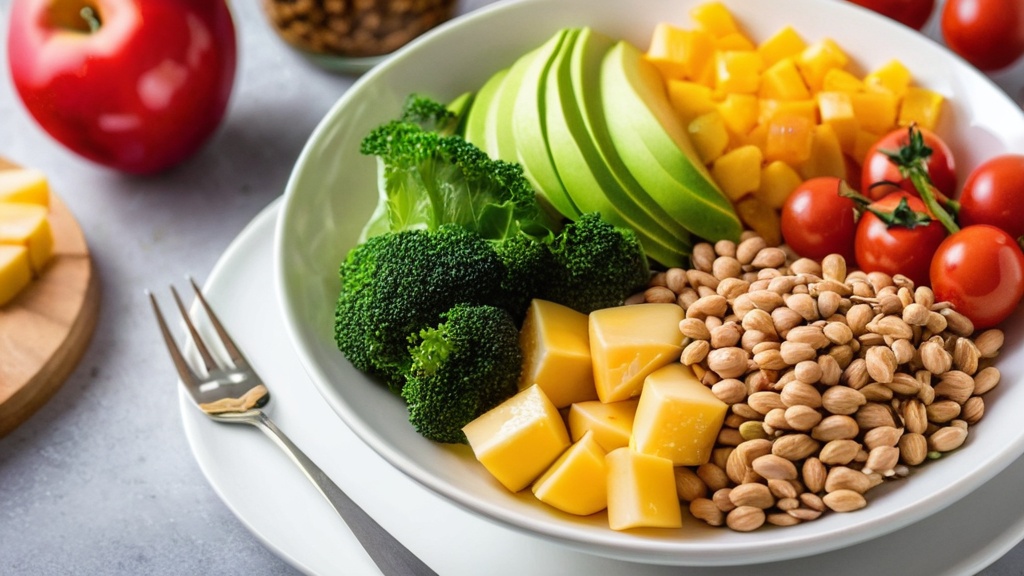
Include a mix of carbohydrates, proteins, and healthy fats in this meal. If you need a quick snack closer to your workout, choose easily digestible options. A banana or a small yogurt can provide a quick energy boost.
Eating too close to your workout may lead to discomfort, so find the right balance for your body.
Hydration for Optimal Performance
Hydration is vital for peak performance during workouts. Water regulates body temperature and lubricates joints. Dehydration can lead to fatigue, decreased coordination, and impaired performance.
Therefore, drink enough fluids before, during, and after exercise. Consider your activity level and environment when hydrating. Hot weather or intense workouts may require additional fluid intake.
Monitor your hydration status by checking urine color; pale yellow indicates good hydration. Staying hydrated keeps your body functioning optimally.
Benefits of Including Protein in Pre-Workout Nutrition
Metric
Recommended Amount
Timing
Purpose
Examples
Carbohydrates
30-60 grams
30-60 minutes before workout
Provide quick energy and replenish glycogen stores
Oats, banana, whole grain bread
Protein
10-20 grams
30-60 minutes before workout
Support muscle repair and growth
Greek yogurt, whey protein, eggs
Fats
5-10 grams
1-2 hours before workout
Provide sustained energy
Avocado, nuts, olive oil
Hydration
500-600 ml
2 hours before workout
Maintain fluid balance and prevent dehydration
Water, electrolyte drinks
Caffeine
100-200 mg
30-60 minutes before workout
Enhance focus and performance
Coffee, green tea, pre-workout supplements
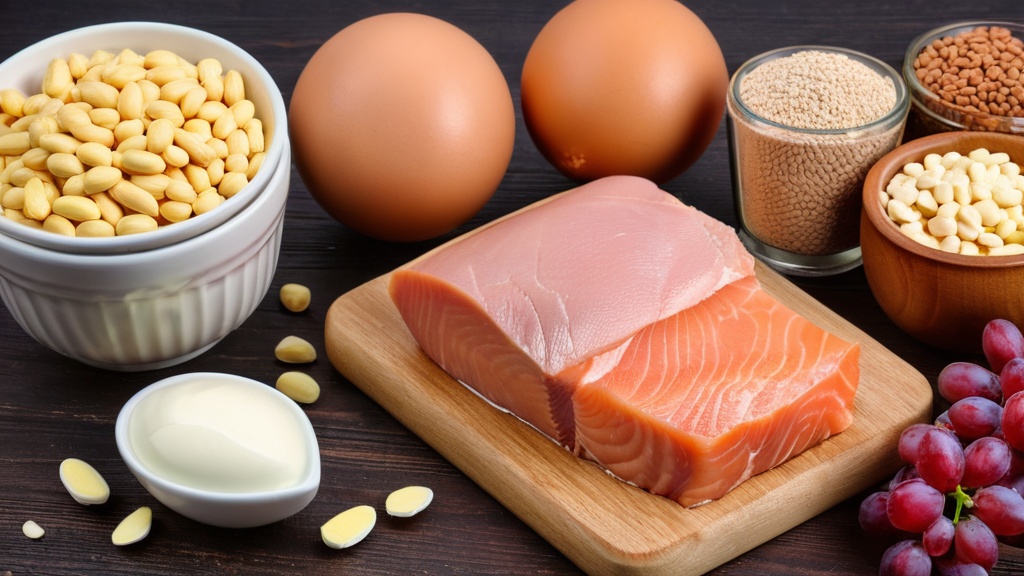
Including protein in your pre-workout nutrition offers several benefits. It helps preserve muscle mass during exercise and supports recovery afterward. Consuming protein before workouts can also enhance muscle protein synthesis.
This process aids in building stronger muscles over time. Aim for a moderate amount of protein in your pre-workout meal or snack. A serving of Greek yogurt or a protein shake can be effective choices.
This addition not only fuels your workout but also prepares your muscles for the demands ahead.
The Role of Carbohydrates in Pre-Workout Fueling
Carbohydrates serve as the primary fuel source for high-intensity workouts. They break down into glucose, which provides immediate energy for muscles. Consuming carbohydrates before exercise can enhance performance and delay fatigue.
This is especially important for endurance athletes. Choose complex carbohydrates for sustained energy release. Foods like oatmeal, whole grain bread, or sweet potatoes work well.
Simple carbohydrates, such as fruits or honey, can provide quick energy when needed. Balancing both types ensures you have the fuel necessary for your workout.
Choosing the Right Fats for Pre-Workout Fuel
Fats can also play a role in pre-workout nutrition, but moderation is key. Healthy fats provide long-lasting energy, especially for low to moderate-intensity workouts. Sources like avocados, nuts, and olive oil offer beneficial nutrients without weighing you down.
Avoid heavy or greasy foods before exercising. These can lead to discomfort and sluggishness during workouts. Instead, focus on incorporating small amounts of healthy fats into your pre-workout meals for optimal energy levels.
Nutrient Timing for Muscle Recovery
Nutrient timing is essential not just for performance but also for recovery. Consuming the right nutrients after a workout helps repair muscles and replenish glycogen stores. Aim to eat a balanced meal within 30 to 60 minutes post-exercise.
Include both carbohydrates and protein in your post-workout meal. This combination promotes muscle recovery and growth effectively. Foods like a chicken sandwich or a smoothie with fruit and protein powder work well for recovery.
Supplements for Pre-Workout Support
Some individuals may benefit from supplements to enhance their pre-workout nutrition. Common options include creatine, beta-alanine, and branched-chain amino acids (BCAAs). These supplements can improve performance and reduce fatigue during intense workouts.
Always consult with a healthcare professional before starting any supplement regimen. Not all supplements are suitable for everyone, and individual needs vary greatly. Focus on whole foods first, using supplements as an additional support when necessary.
Pre-Workout Nutrition for Different Types of Exercise
Different types of exercise may require tailored pre-workout nutrition strategies. For strength training, prioritize protein-rich foods to support muscle repair and growth. Carbohydrates remain essential for energy but adjust the ratio based on workout intensity.
For endurance activities like running or cycling, focus on carbohydrate-rich meals to fuel prolonged efforts. These activities demand sustained energy levels, so plan accordingly. Understanding your specific exercise type helps optimize your pre-workout nutrition strategy.
Sample Pre-Workout Meal and Snack Ideas
Creating effective pre-workout meals and snacks can be simple and enjoyable. For a larger meal, consider oatmeal topped with banana and almond butter. This combination provides carbohydrates, healthy fats, and protein.
For quick snacks, try Greek yogurt with berries or a smoothie made with spinach, banana, and protein powder. These options are easy to digest and offer the necessary nutrients to fuel your workout effectively. Experiment with different combinations to find what works best for you.
In conclusion, pre-workout nutrition plays a vital role in enhancing performance and recovery. By focusing on macronutrient balance, timing, hydration, and appropriate food choices, individuals can optimize their workouts effectively. Tailoring nutrition strategies to specific exercise types further enhances results, ensuring that every workout counts toward achieving fitness goals.
FAQs
What is pre workout nutrition?
Pre workout nutrition refers to the food and beverages consumed before exercise to enhance performance, increase energy levels, and support muscle recovery.
When should I eat before a workout?
It is generally recommended to eat a balanced meal 2-3 hours before exercising. If eating closer to workout time, a small snack 30-60 minutes prior can help provide quick energy.
What types of foods are best for pre workout nutrition?
Carbohydrates are the primary fuel source for workouts, so foods rich in complex carbs like whole grains, fruits, and vegetables are ideal. Including moderate protein and a small amount of healthy fats can also be beneficial.
Should I drink water before working out?
Yes, staying hydrated is important. Drinking water before exercise helps maintain fluid balance and supports optimal performance.
Can pre workout supplements replace food?
Supplements like pre workout powders can provide energy and focus but should not replace a balanced meal. Whole foods offer essential nutrients that supplements may lack.
How does pre workout nutrition affect performance?
Proper pre workout nutrition can improve endurance, strength, and focus during exercise, reduce fatigue, and aid in faster recovery afterward.
Is it necessary to eat before every workout?
Not always. For short or low-intensity workouts, eating beforehand may not be necessary. However, for longer or more intense sessions, pre workout nutrition is beneficial.
What should I avoid eating before a workout?
Avoid heavy, fatty, or high-fiber foods right before exercise as they can cause digestive discomfort. Also, limit sugary snacks that may lead to energy crashes.
Can caffeine be part of pre workout nutrition?
Yes, moderate caffeine intake can enhance alertness and performance. However, it should be consumed in moderation to avoid negative side effects like jitters or dehydration.
How does timing of pre workout nutrition impact its effectiveness?
Eating too close to exercise may cause discomfort, while eating too early may leave you hungry. Timing meals and snacks appropriately ensures sustained energy and comfort during workouts.